
Long-Term Protection Tips Related to Mold Removal in Biscayne Park
Biscayne Park is known for its quiet residential streets, historic homes, and proximity to Biscayne Bay. While the community offers a peaceful setting, homeowners here share the same challenge faced across coastal South Florida: persistent humidity and moisture intrusion that can lead to mold problems inside homes.
Many residents only focus on mold removal when contamination becomes visible, but long-term protection requires more than cleanup alone. Understanding how mold develops and how to prevent it from returning helps homeowners protect both property value and indoor comfort.
Mold removal solves an immediate problem, but proper maintenance ensures it does not come back. For Biscayne Park homeowners, proactive moisture control is essential to maintaining a healthy home.
Why Mold Problems Develop in Biscayne Park Homes
Mold growth occurs when moisture remains present long enough for spores to spread on surfaces such as drywall, wood, insulation, and carpeting. In Biscayne Park, moisture comes from several sources, including plumbing leaks, roof damage after storms, air conditioning condensation, and prolonged humidity.
Because homes in the neighborhood range from historic construction to newer renovations, moisture vulnerabilities differ from property to property. Older plumbing systems, aging roofs, and outdated ventilation setups often allow moisture to accumulate unnoticed.
Even modern homes are not immune. Poor ventilation, clogged AC condensate lines, or small leaks behind walls can allow mold to grow quietly before homeowners notice signs.
Removing mold without addressing moisture sources almost guarantees contamination will return.
Common Signs Mold Has Been or Could Become a Problem
Many Biscayne Park residents first discover mold through subtle warning signs rather than obvious growth. Typical indicators include:
Musty odors indoors
Peeling or bubbling paint
Discoloration on ceilings or walls
Damp closets or storage spaces
Condensation near vents or windows
Unexplained indoor humidity
Even if mold has already been removed, these signs may suggest moisture remains present somewhere inside the home.
Recognizing early symptoms helps prevent future remediation needs.
Hidden Moisture Sources That Cause Recurring Mold
Professional inspections in Biscayne Park homes frequently reveal moisture problems in areas homeowners rarely see. Common hidden sources include:
Slow plumbing leaks inside walls
Roof leaks after storms
Clogged air conditioning drain lines
Poorly insulated ducts causing condensation
Moisture trapped beneath flooring
Bathroom or kitchen ventilation issues
Because these problems often remain concealed, mold may continue growing even after cleanup. Long-term protection requires identifying and correcting these hidden issues.
Addressing moisture at its source prevents repeated remediation costs.
Why DIY Mold Cleanup Often Leads to Repeat Problems
Homeowners sometimes try to clean mold themselves using household cleaning products. While this may remove surface staining, mold often remains embedded inside porous materials.
DIY cleanup also risks spreading spores into other areas of the home. Without containment and professional drying equipment, contamination may grow elsewhere.
More importantly, household cleaning rarely solves the moisture problem causing mold growth in the first place. Professional mold removal addresses both contamination and moisture control, reducing future risks.
Proper remediation provides a safer and more lasting solution.
How Professional Mold Removal Supports Long-Term Protection
Professional mold remediation begins with inspection to determine contamination extent and moisture sources. Specialists use moisture detection tools to identify damp materials hidden behind surfaces.
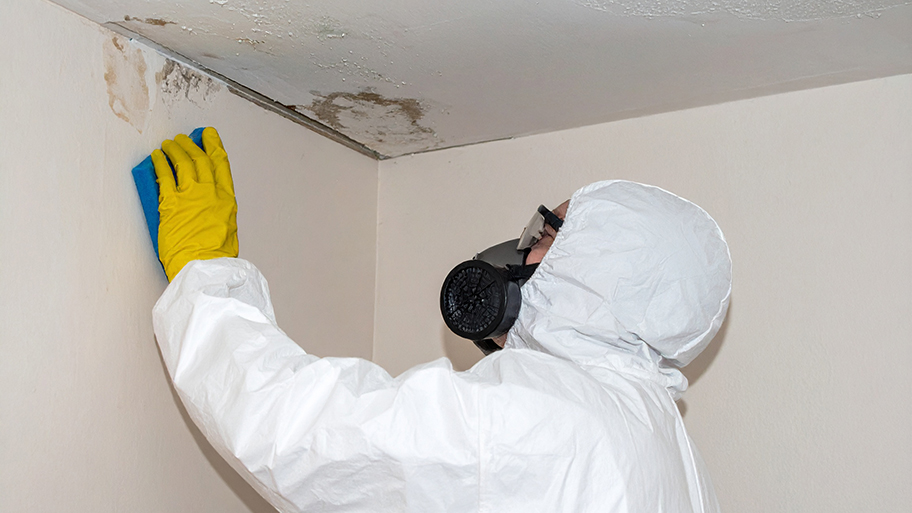
During remediation, containment barriers prevent spores from spreading while contaminated materials are removed or cleaned using specialized antimicrobial treatments. Drying equipment then eliminates remaining moisture.
Once cleanup is complete, repairs restore affected areas. Proper remediation ensures mold does not continue growing inside concealed spaces.
Companies like Tip Top Water and Fire Damage Restoration frequently help Biscayne Park homeowners complete remediation and transition into preventive maintenance strategies.
Preventing Mold After Water Damage or Flooding
Many mold problems in Biscayne Park begin after water intrusion events such as plumbing failures or heavy rain. Even when water damage appears minor, moisture trapped in walls or flooring can lead to mold growth weeks later.
After water removal, professional drying ensures materials are fully moisture-free. Skipping proper drying increases the chance of mold returning.
Homeowners should monitor areas affected by past water damage for signs of moisture or odor. Early inspection helps prevent future remediation needs.
Water damage recovery must include moisture control to ensure lasting protection.
HVAC Systems and Long-Term Mold Prevention
Air conditioning systems play a major role in mold prevention. Because AC units run nearly year-round in South Florida, condensation management becomes essential.
Clogged condensate drain lines or poorly insulated ducts can introduce moisture into ceilings or walls. Mold growing inside duct systems can also spread spores throughout the home.
Regular HVAC maintenance, including drain line cleaning and duct inspection, helps reduce moisture risks. Clean airflow systems also improve indoor air quality.
Maintaining AC systems is one of the most effective ways to prevent recurring mold problems.
Home Maintenance Practices That Reduce Mold Risk
Long-term mold protection requires consistent maintenance. Biscayne Park homeowners can reduce mold risks through practical steps such as:
Inspecting roofs and windows after storms
Repairing leaks immediately
Clearing AC drain lines regularly
Improving ventilation in bathrooms and kitchens
Using dehumidifiers during humid periods
Scheduling periodic moisture inspections
Monitoring humidity inside the home is particularly important. Indoor humidity should ideally remain below 60 percent to discourage mold growth.
Small maintenance efforts prevent major restoration expenses later.
Why Local Experience Matters in Mold Prevention
Coastal South Florida homes face moisture challenges different from inland properties. Professionals familiar with Biscayne Park understand local construction styles, humidity patterns, and recurring moisture trouble spots.
Local expertise allows inspectors and remediation specialists to identify risks quickly and recommend solutions suited to neighborhood conditions rather than generic advice.
Tip Top Water and Fire Damage Restoration regularly assists homeowners across Biscayne Park and nearby communities dealing with moisture concerns unique to coastal living.
Local knowledge helps prevent mold problems before they escalate.
A Practical Path Forward for Biscayne Park Homeowners
Mold removal solves an immediate issue, but long-term protection comes from awareness and consistent home maintenance. Understanding moisture risks and acting early prevents contamination from returning.
Routine inspections, proper ventilation, and quick response to leaks keep homes safe and comfortable despite South Florida’s humid climate.
For Biscayne Park residents, proactive moisture management protects both property value and indoor comfort for years to come. Mold prevention is an ongoing process, but with the right approach, homes remain healthy and resilient even in coastal environments.