
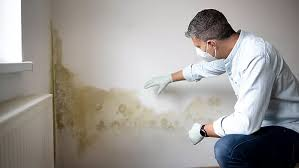
Long-Term Protection Tips Related to Mold Testing in North Miami Beach
In North Miami Beach, mold is not unusual. What’s unusual is catching it early.
Between year-round humidity, heavy summer storms, coastal air exposure, and constant AC use, properties here operate in a moisture-heavy environment. Mold testing isn’t just something you do after visible growth appears. It can be part of a long-term protection strategy.
For homeowners, landlords, and property managers in North Miami Beach, understanding how mold testing supports prevention — not just diagnosis — is key to protecting both structure and property value.
Why Mold Testing Matters in a Coastal Climate
North Miami Beach sits near Biscayne Bay and is influenced by:
- High year-round humidity
- Wind-driven rain during storm season
- Elevated groundwater levels
- Salt-heavy air
- Concrete block construction
- Slab foundations
In this environment, moisture doesn’t need a dramatic flood to create a problem. Small plumbing leaks, AC condensation, roof flashing failures, or persistent humidity can all create conditions for mold growth.
Mold testing helps determine whether spores are present in elevated concentrations — even when visible growth is minimal.
Early detection reduces long-term damage.
What Mold Testing Actually Does
Mold testing typically involves:
- Air sampling
- Surface sampling
- Moisture detection
- Humidity measurement
Air samples measure spore concentrations inside the property and compare them to outdoor baseline levels.
Surface samples identify the type of mold present when visible growth exists.
Testing does not replace remediation — it defines scope.
It provides clarity before decisions are made.
Long-Term Protection Tip #1: Test After Water Events
After heavy rain, hurricane-season storms, plumbing failures, or AC leaks, mold testing may be appropriate — even if no visible growth is present.
Water can remain hidden in:
- Wall cavities
- Insulation
- Subflooring
- Duct systems
Testing confirms whether elevated spore counts indicate hidden moisture problems.
In North Miami Beach, post-storm inspections often prevent full mold remediation later.
Long-Term Protection Tip #2: Combine Mold Testing with Moisture Detection
Testing alone does not identify the moisture source.
For long-term protection, mold testing should be paired with:
- Thermal imaging
- Moisture meter readings
- Slab moisture testing
- HVAC inspection
If spores are elevated but moisture remains undetected, the problem may reappear.
Moisture control is always the root solution.
Long-Term Protection Tip #3: Monitor Indoor Humidity
In coastal South Florida, humidity control is essential.
Indoor humidity levels should ideally remain between 45% and 55%.
If humidity stays high:
- Condensation forms inside ducts
- Wall cavities remain damp
- Mold growth accelerates
Mold testing may reveal elevated airborne spores even when visible mold is absent — often due to chronic humidity rather than a single leak.
Dehumidification and HVAC maintenance support long-term protection.
Long-Term Protection Tip #4: Inspect HVAC Systems Regularly
Air conditioning systems in North Miami Beach run nearly year-round.
Mold growth frequently begins in:
- Air handler closets
- Condensate drain pans
- Duct insulation
- Return vents
If mold spores circulate through duct systems, indoor air quality declines.
Air duct cleaning and regular AC servicing reduce the likelihood of recurring contamination.
Testing after HVAC-related water issues helps confirm air stability.
Long-Term Protection Tip #5: Schedule Periodic Preventive Testing in Older Homes
Many homes in North Miami Beach were built decades ago and may contain:
- Aging plumbing
- Slab foundations
- Older roofing systems
- Limited attic ventilation
Older properties are more vulnerable to slow, hidden moisture intrusion.
Periodic mold testing — especially after roof repairs or plumbing updates — helps identify problems early.
Prevention is far less expensive than structural remediation.
Long-Term Protection Tip #6: Test Before and After Remediation
If mold remediation becomes necessary, testing serves two important roles:
- Pre-remediation testing defines scope
- Post-remediation testing confirms air quality improvement
Verification ensures the issue has been fully addressed.
Skipping post-remediation testing may leave uncertainty about indoor air conditions.
In humid climates like North Miami Beach, confirmation provides peace of mind.
The Slab Foundation Factor
Slab foundations are common in this region.
When plumbing leaks develop beneath slabs, moisture migrates upward into flooring.
Testing may reveal:
- Elevated airborne spores
- Surface contamination beneath flooring
- Hidden moisture contributing to growth
Slab-related moisture problems often require specialized detection tools.
Without identifying slab leaks, mold may reappear even after surface cleaning.
The Role of Storm Season
North Miami Beach experiences intense rain and wind during hurricane season.
Wind-driven rain can enter through:
- Window seals
- Door frames
- Roof penetrations
- Exterior wall cracks
Even minor intrusion may elevate indoor spore levels.
Post-storm mold testing, especially in waterfront properties or canal-facing homes, supports long-term structural stability.
Why DIY Mold Testing Can Be Misleading
Over-the-counter mold test kits may provide surface-level information, but they often:
- Lack proper baseline comparison
- Do not measure air quality accurately
- Fail to interpret spore counts correctly
- Ignore moisture source identification
Professional testing includes interpretation and environmental context.
Numbers alone don’t tell the full story.
Understanding whether spores are elevated relative to outdoor air is critical.
The Water Damage Connection
Mold testing often reveals problems linked to past water damage.
Common triggers in North Miami Beach include:
- Roof leaks
- Plumbing failures
- AC condensation overflow
- Flooding during heavy rain
- Balcony drainage intrusion in condos
Addressing water damage promptly prevents mold escalation.
When water damage is fully dried and stabilized, testing often confirms safe conditions.
Why Local Experience Matters
Mold testing in North Miami Beach requires understanding:
- Coastal humidity patterns
- Concrete block construction
- Slab moisture behavior
- Hurricane-driven rain impact
- High-rise building ventilation systems
Professionals familiar with North Miami Beach, Sunny Isles Beach, and Aventura know where moisture tends to hide in these structures.
Tip Top Water and Fire Damage Restoration approaches mold testing with this local awareness, ensuring testing results are interpreted within the context of South Florida’s climate.
Experience prevents unnecessary alarm and ensures accurate assessment.
A Practical Long-Term Strategy
Mold testing should not be viewed as a one-time reaction.
In North Miami Beach, it can be part of an ongoing maintenance plan.
For long-term protection:
- Inspect after storms
- Maintain HVAC systems
- Monitor indoor humidity
- Address leaks immediately
- Pair testing with moisture detection
- Confirm results after remediation
Coastal living comes with moisture challenges.
But with proactive monitoring and informed decision-making, property owners can reduce the likelihood of structural damage and extensive mold remediation.
In South Florida’s humid climate, awareness and early action are the strongest forms of protection.