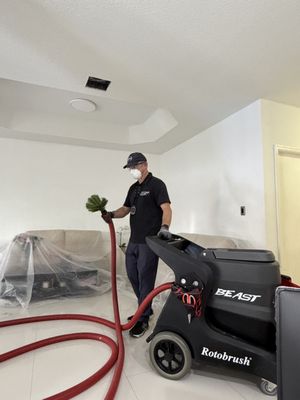
Long-Term Protection Tips Related to Smoke Damage Cleanup in Miami Shores
Miami Shores, Florida, is a vibrant coastal community known for its charming homes, tropical climate, and waterfront properties. While the area provides a desirable environment for homeowners and landlords, it also presents unique challenges in property maintenance. One of the most common and disruptive issues is smoke damage—resulting from kitchen fires, electrical malfunctions, candles, or even external wildfires. Smoke damage can leave behind soot, lingering odors, and compromised indoor air quality, affecting both the structure of a home and the comfort of its residents.
Addressing smoke damage promptly is essential, but equally important is implementing long-term strategies to protect properties from recurring damage. Drawing from real-world observations in Miami Shores homes, this guide explores the causes, risks, remediation process, and actionable tips for long-term protection after smoke damage cleanup.
Understanding Smoke Damage
Smoke damage is not merely a cosmetic issue. Its effects are pervasive and can impact several aspects of a home:
- Soot Deposition: Fine smoke particles settle on walls, ceilings, furniture, and other surfaces. Over time, this residue can discolor finishes and corrode metal fixtures.
- Lingering Odors: Smoke odors penetrate porous materials such as carpets, upholstery, drywall, and insulation, often persisting long after the fire is extinguished.
- Indoor Air Quality Impacts: Airborne particles from smoke can circulate through HVAC systems, reducing indoor air quality and causing respiratory discomfort.
- Structural Damage: Prolonged exposure to smoke can weaken drywall, wood, and other building materials, leading to costly repairs.
- Hidden Contamination: Smoke can travel through ductwork, behind walls, and into attics, creating contamination in areas that are not immediately visible.
In Miami Shores’ humid, coastal environment, smoke damage is compounded by moisture and salt-laden air, making comprehensive cleanup and long-term preventive strategies essential.
Common Causes of Smoke Damage in Miami Shores
Several factors contribute to smoke damage incidents in residential properties:
- Kitchen Fires: Grease or cooking-related incidents are frequent causes of indoor smoke damage.
- Electrical Failures: Faulty wiring, overloaded circuits, or appliance malfunctions can ignite small fires.
- Candles and Open Flames: Unattended candles or decorative flames can generate smoke that spreads rapidly.
- External Fires: Coastal winds can carry smoke from wildfires or nearby property fires into homes, infiltrating HVAC systems and interiors.
- HVAC Malfunctions: Overheating components, clogged vents, or failing equipment can produce smoke within the system.
Recognizing the potential sources of smoke helps homeowners understand risk areas and implement preventive measures.
Signs of Smoke Damage to Watch For
Homeowners in Miami Shores should monitor for the following indicators of smoke damage:
- Persistent smoky or burnt odors
- Discoloration or staining on walls, ceilings, or light fixtures
- Soot accumulation on surfaces or in corners
- Reduced HVAC efficiency or unusual odors from vents
- Staining on furniture, carpets, or upholstery
- Corrosion or sticky residues on metal fixtures and electronics
Early detection ensures that remediation can occur before the damage becomes widespread and costly.
Professional Smoke Damage Cleanup Process
Effective smoke damage cleanup typically involves a structured approach:
Step 1: Inspection and Assessment
- Visual Inspection: Identifying soot, stains, and affected areas.
- Moisture and Residue Testing: Detecting chemical residues and water used during firefighting.
- HVAC Evaluation: Inspecting vents, ducts, and components for contamination.
Step 2: Containment
- Affected rooms are sealed with barriers to prevent smoke particles from spreading.
- Negative air pressure systems may be used to control airflow.
- Technicians wear protective gear to prevent exposure.
Step 3: Cleaning and Soot Removal
- Dry Cleaning: Gentle sponging or brushing for walls and ceilings.
- Vacuuming with HEPA Filters: Captures fine soot particles from floors, upholstery, and carpets.
- Surface Treatment: Cleaning agents neutralize smoke residues without damaging surfaces.
Step 4: Odor Removal and Deodorization
- Thermal Fogging: Neutralizes smoke odors in walls, fabrics, and furniture.
- Ozone Treatments: Chemically break down odor molecules in unoccupied areas.
- HEPA Air Filtration: Continuously filters airborne particles during remediation.
Step 5: Structural Cleaning and Repairs
- Walls, ceilings, and floors are sanitized and repaired as needed.
- HVAC components are cleaned or replaced if contaminated.
- Any fire- or water-related structural damage is addressed.
Step 6: Verification and Quality Assurance
- Final inspections confirm that soot residues and odors have been removed.
- Moisture and chemical levels are tested to ensure safety and long-term protection.
Long-Term Protection Tips
After professional smoke damage cleanup, homeowners and property managers should implement strategies to protect their Miami Shores homes from recurring damage:
1. Maintain HVAC Systems
- Schedule annual inspections and cleaning of ducts, coils, and vents.
- Replace filters regularly to prevent the buildup of dust and particulate matter.
- Ensure condensation pans and drainage lines are clean and unobstructed.
2. Monitor Indoor Humidity
- Use dehumidifiers to maintain optimal humidity levels (45–55%).
- Proper moisture control prevents mold growth, which can exacerbate smoke odors and indoor air quality issues.
3. Conduct Regular Property Inspections
- Check ceilings, walls, and attics for early signs of smoke residue or water intrusion.
- Address small leaks or AC condensation immediately.
4. Implement Fire Safety Measures
- Install and maintain smoke detectors in key areas.
- Keep fire extinguishers accessible and educate residents on their use.
- Avoid leaving open flames unattended.
5. Use High-Quality Cleaning Practices
- For minor smoke incidents, clean surfaces promptly using recommended techniques and solutions.
- Avoid harsh chemicals that can react with soot and worsen damage.
6. Address Odors Promptly
- Use HEPA filtration, thermal fogging, or professional ozone treatment as needed.
- Lingering odors can indicate hidden soot or contamination, requiring further attention.
7. Educate Residents and Staff
- Property managers in multi-unit buildings should ensure residents know the importance of prompt reporting for fires, smoke, and AC malfunctions.
- Awareness helps reduce the spread of smoke damage in shared walls and HVAC systems.
8. Schedule Periodic Professional Reviews
- Professional inspections and maintenance can identify areas at risk of smoke or fire damage before incidents occur.
- Periodic duct cleaning, HVAC servicing, and moisture checks are critical for long-term protection.
Lessons Learned from Miami Shores Properties
Real-world observations from local homes highlight key insights:
- Hidden Damage is Common: Smoke residues often remain in ductwork, behind walls, or under flooring.
- Prompt Cleanup Prevents Escalation: Rapid action reduces structural damage and lingering odors.
- Integrated Maintenance Works Best: Combining regular cleaning, ventilation, and HVAC maintenance ensures lasting protection.
- Preventive Strategies Reduce Costs: Proactive measures minimize the need for repeated professional interventions.
Why Local Expertise Matters
Miami Shores’ coastal environment presents specific challenges for smoke damage cleanup and prevention:
- High humidity accelerates residue absorption and corrosion.
- Salt-laden air affects HVAC and metal components.
- Older homes may have complex AC systems or ductwork requiring tailored remediation.
Local professionals, such as Tip Top Water and Fire Damage Restoration, bring specialized knowledge and experience in Miami Shores, North Miami, Sunny Isles Beach, Bal Harbour, Aventura, Surfside, and Biscayne Park. Their expertise ensures comprehensive cleanup, odor elimination, and long-term property protection.
Benefits of Implementing Long-Term Protection Measures
By adopting long-term smoke damage protection strategies, homeowners can:
- Maintain indoor air quality and comfort for occupants
- Prevent recurring odors and soot deposits
- Reduce the risk of structural damage or corrosion
- Extend the lifespan of HVAC systems and building materials
- Preserve property value and curb appeal
- Ensure a safer and healthier living environment
Practical Recommendations for Homeowners and Property Managers
- Schedule professional inspections and HVAC maintenance annually
- Monitor humidity levels and use dehumidifiers when necessary
- Address leaks, AC condensation, or minor smoke incidents immediately
- Keep fire safety devices functional and educate residents on their use
- Implement duct cleaning and professional odor removal when needed
- Conduct follow-up assessments after remediation to ensure lasting results
By combining professional smoke damage remediation with proactive maintenance and preventive measures, Miami Shores homeowners and property managers can protect their properties, maintain comfort, and reduce the likelihood of recurring smoke-related issues.