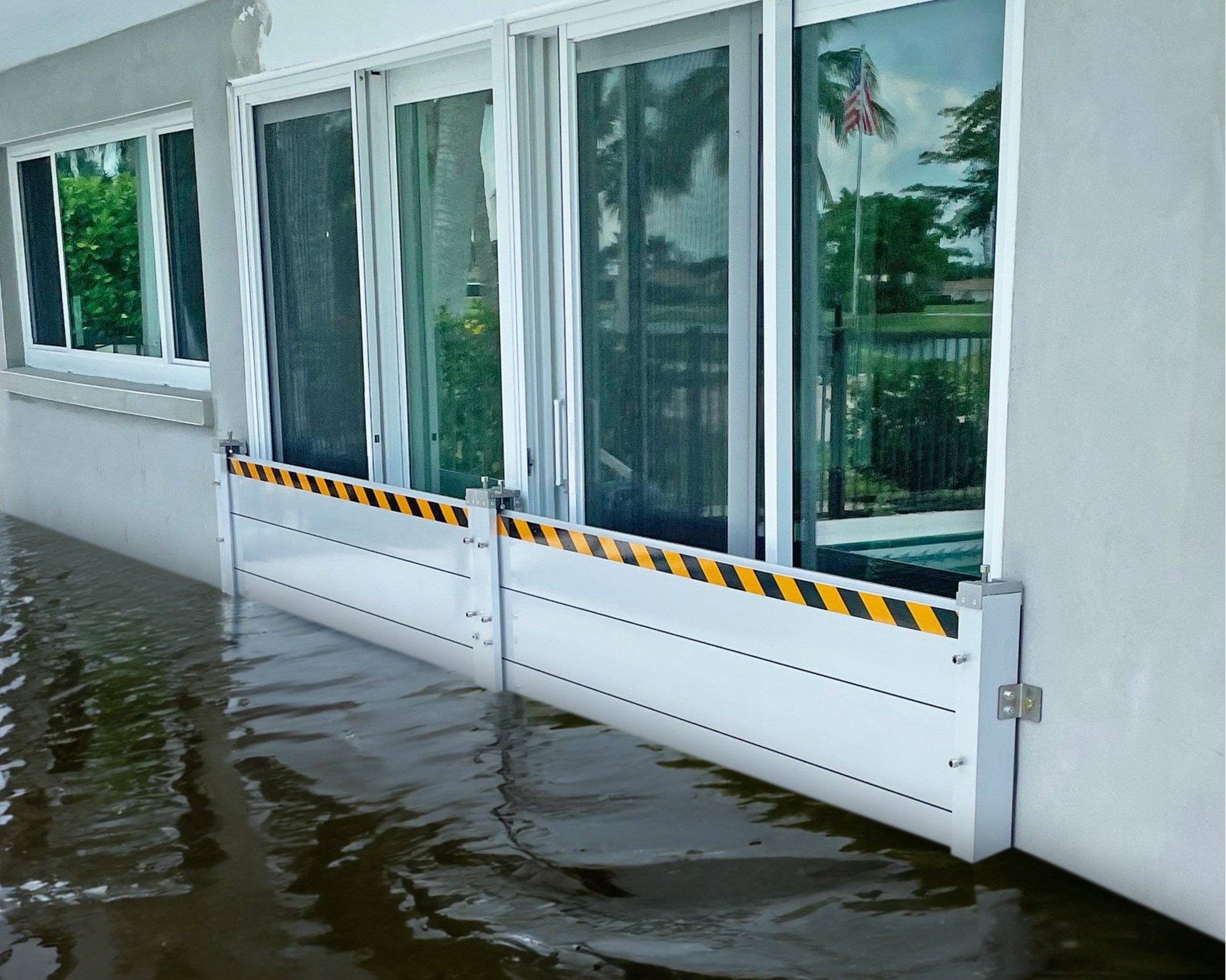
Long-Term Protection Tips Related to Water Damage Repair in Sunny Isles Beach
Sunny Isles Beach, Florida, is a coastal paradise known for its high-rise condos, luxury waterfront properties, and vibrant residential neighborhoods. While the location offers stunning ocean views and a tropical lifestyle, it also comes with unique environmental challenges. High humidity, seasonal storms, and proximity to the Atlantic Ocean make properties particularly susceptible to water damage.
For homeowners, landlords, and property managers, addressing water damage is not just about restoring a property after an incident—it is about implementing long-term protection strategies that prevent recurrence and preserve property value. Understanding the causes of water damage, effective repair methods, and proactive measures is essential for maintaining safe and resilient homes in Sunny Isles Beach.
Why Long-Term Protection Matters
Water damage, if left unchecked or improperly repaired, can lead to a host of problems:
- Structural Weakness: Prolonged moisture can compromise wood framing, subfloors, and drywall, affecting the home’s integrity.
- Mold and Microbial Growth: Moist conditions encourage mold growth, which can spread rapidly and damage materials while impacting indoor air quality.
- HVAC and Electrical Risks: Water can infiltrate HVAC systems, electrical wiring, and outlets, creating safety hazards.
- Decreased Property Value: Recurring water damage or mold issues can make a property harder to sell or rent.
- Increased Maintenance Costs: Failure to address underlying water intrusion often results in repeated repairs and higher expenses over time.
Long-term protection measures are designed to not only repair existing damage but also prevent future water-related problems, ensuring homes remain safe, habitable, and valuable.
Common Causes of Water Damage in Sunny Isles Beach
Several factors contribute to water damage in coastal properties:
1. Coastal Weather and Storms
Sunny Isles Beach is prone to hurricanes, tropical storms, and heavy seasonal rainfall. Storm surges and high tides can introduce large volumes of water into homes, particularly those near the shoreline or built on lower ground.
2. Plumbing Failures
Aging pipes, faulty plumbing fixtures, or appliance malfunctions can lead to leaks. Even minor leaks, if undetected, can cause significant damage over time.
3. Air Conditioning Condensation
Air conditioning systems produce condensation, which, if drainage is blocked or improperly managed, can accumulate and seep into walls, ceilings, or subfloors.
4. Roof Leaks and Flashing Issues
Weathered roofing materials, compromised flashing, and poorly sealed windows can allow water to infiltrate attics, ceilings, and exterior walls.
5. Poor Drainage and Groundwater
Improper grading, clogged gutters, and limited stormwater management can lead to pooling water near foundations, resulting in seepage into basements or lower floors.
6. Hidden Moisture Sources
Even without visible flooding, water can accumulate in hidden areas like wall cavities, crawlspaces, or under flooring, creating silent damage that requires professional detection.
Signs That Water Damage May Be Present
Homeowners should watch for early indicators of water intrusion:
- Water stains, discoloration, or bubbling on ceilings, walls, or flooring
- Warping, buckling, or swelling of hardwood floors or baseboards
- Persistent musty odors, indicating hidden moisture or mold
- Visible mold growth in bathrooms, kitchens, or attics
- Unexplained increases in water bills
- Condensation on windows or HVAC components
Recognizing these signs early allows for prompt intervention, minimizing long-term damage and restoration costs.
Effective Water Damage Repair Steps
Long-term protection begins with proper water damage repair. Professionals typically follow a structured approach:
Step 1: Inspection and Assessment
- Identify both visible and hidden water damage
- Use moisture meters, thermal imaging cameras, and hygrometers to detect water in concealed areas
- Evaluate structural components, HVAC systems, and electrical infrastructure
Step 2: Water Removal
- Extract standing water using pumps, wet vacuums, or specialized extraction equipment
- Address both freshwater and saltwater intrusion, particularly in coastal properties
Step 3: Drying and Dehumidification
- Employ industrial fans, dehumidifiers, and air movers to remove moisture from walls, floors, and subfloors
- Monitor drying progress to prevent residual moisture, which can lead to mold growth
Step 4: Cleaning and Sanitization
- Apply antimicrobial treatments to affected areas
- Sanitize surfaces exposed to floodwater or leaks to prevent mold and bacteria
Step 5: Structural Repairs
- Replace damaged drywall, insulation, flooring, or cabinetry
- Repair roofing, window seals, or subflooring compromised by water intrusion
Step 6: Preventive Recommendations
- Implement measures to reduce future water risks, including improved drainage, HVAC maintenance, and moisture monitoring
Long-Term Protection Tips
Protecting a Sunny Isles Beach property after water damage involves both proactive maintenance and lifestyle adjustments:
1. Maintain Plumbing and Appliances
- Inspect pipes, faucets, and water heaters regularly
- Replace aging pipes and worn fixtures proactively
- Ensure appliances like dishwashers, washing machines, and refrigerators are maintained and leaks are addressed immediately
2. Control Moisture and Humidity
- Use dehumidifiers to maintain indoor humidity levels below 50%
- Ensure proper ventilation in bathrooms, kitchens, and laundry areas
- Seal wall cavities, attics, and crawlspaces against moisture intrusion
3. Roof and Exterior Care
- Inspect roofs, flashing, and window seals annually, particularly before hurricane season
- Repair damage promptly to prevent leaks
- Clean gutters and downspouts to ensure effective drainage
4. HVAC System Maintenance
- Regularly service air conditioning units to prevent condensation leaks
- Inspect and clean ductwork to remove accumulated moisture, dust, or microbial growth
- Replace filters as recommended by manufacturers
5. Monitor and Detect Moisture
- Install moisture sensors in vulnerable areas like basements, attics, and crawlspaces
- Regularly check for condensation, leaks, or signs of water accumulation
- Engage professionals for periodic moisture inspections
6. Mold Prevention
- Conduct mold inspections following water damage incidents
- Address any visible mold immediately with professional remediation
- Keep materials like carpets, padding, and insulation dry to prevent microbial growth
7. Structural Improvements
- Elevate electrical systems, HVAC components, or appliances in flood-prone areas
- Consider waterproofing or sealing lower-level foundations and slabs
- Ensure proper grading around the property to direct water away from structures
8. Resident Awareness
- Educate residents, tenants, or household members on signs of water intrusion
- Encourage immediate reporting of leaks, condensation, or unusual odors
Real-World Observations in Sunny Isles Beach
Professional restoration teams note several trends in local properties:
- Water Damage Recurrence: Coastal homes near canals, beaches, or low-lying streets are more likely to experience repeat water intrusion during storms or high tides.
- Hidden Moisture: Older construction materials often retain water in wall cavities or subfloors, requiring prolonged drying and dehumidification.
- Mold Risk: Even minor leaks can lead to mold growth in humid environments if left unaddressed.
- High-Rise Considerations: Condensation from AC units or plumbing leaks in multi-unit buildings can affect multiple units simultaneously, necessitating coordinated restoration efforts.
These observations highlight the importance of professional, tailored interventions and long-term maintenance strategies.
The Role of Professional Expertise
Companies like Tip Top Water and Fire Damage Restoration offer critical services for long-term water damage protection in Sunny Isles Beach:
- Advanced water detection and moisture monitoring using state-of-the-art tools
- Comprehensive water removal, drying, and dehumidification
- Mold inspection and safe remediation following water intrusion
- Structural repairs and preventive maintenance guidance
- Expertise with coastal conditions, high humidity, and storm-related risks
Professional involvement ensures that water damage repair is thorough and that long-term strategies effectively minimize future risks.
Conclusion
Water damage in Sunny Isles Beach is often influenced by coastal weather, high humidity, aging infrastructure, and storm events. Addressing water intrusion promptly is essential, but long-term protection requires proactive strategies that prevent recurrence, preserve structural integrity, and maintain healthy indoor environments.
By combining professional water damage repair with ongoing preventive measures—including plumbing maintenance, moisture control, HVAC care, and mold prevention—homeowners, landlords, and property managers can safeguard their investments, reduce future restoration costs, and ensure resilient, comfortable living spaces.
Long-term protection is not just about repairing damage—it is about creating a system of vigilance, maintenance, and expert guidance that keeps Sunny Isles Beach properties safe and valuable for years to come.