
Long-Term Protection Tips Related to Water Leak Detection in Coastal Neighborhoods Near Biscayne Bay
Coastal neighborhoods near Biscayne Bay — including North Miami, Miami Shores, Biscayne Park, Aventura, Surfside, and Sunny Isles Beach — face one constant challenge: moisture. Between heavy rain, storm surge, high humidity, slab foundations, and aging plumbing, water intrusion is not unusual.
The real problem is not always the obvious leak. It’s the slow, hidden one.
Water leak detection is not just about finding active drips. It’s about long-term protection. In South Florida’s humid coastal environment, small leaks quickly become mold problems, structural deterioration, or expensive restoration projects.
Here’s what property owners near Biscayne Bay should know about preventing future damage through smart leak detection strategies.
Understand Why Coastal Homes Are More Vulnerable
Water behaves differently in coastal environments.
Homes near Biscayne Bay experience:
- Wind-driven rain
- Elevated groundwater
- Salt-laden air corrosion
- High humidity year-round
- Frequent AC usage
- Slab-on-grade construction
These factors increase the likelihood of both visible and hidden leaks.
Salt air accelerates deterioration of:
- Pipe fittings
- HVAC components
- Window seals
- Roof flashing
Over time, small weaknesses develop — and small weaknesses lead to leaks.
Long-term protection starts with recognizing that waterfront properties require more frequent inspection.
Install Smart Leak Detection Sensors
Technology has significantly improved leak detection.
Water sensors placed under sinks, near water heaters, behind refrigerators, and in AC closets provide early alerts.
In waterfront condos in Aventura and Sunny Isles Beach, where upper-unit leaks can affect lower units, sensors offer immediate notification.
Strategic sensor placement includes:
- Under kitchen and bathroom sinks
- Near washing machines
- Around water heaters
- Beneath air handlers
- Near sliding door tracks
Early alerts reduce the chance of long-term structural moisture.
For vacation properties, remote monitoring is especially valuable.
Schedule Annual Plumbing Inspections
Pipes in coastal environments degrade faster.
Salt exposure and humidity contribute to corrosion and joint weakening.
Older homes in Miami Shores and North Miami may still contain aging copper or galvanized lines.
Annual inspections should include:
- Checking for slow drips
- Inspecting visible pipe joints
- Evaluating water pressure
- Looking for corrosion or mineral buildup
Small plumbing failures are one of the most common hidden causes of mold growth in coastal neighborhoods.
Proactive inspection prevents surprise water damage.
Inspect Window and Door Seals Before Storm Season
Wind-driven rain pushes water horizontally.
In coastal storms, water often enters through compromised seals rather than roof failures.
Check for:
- Cracked caulking
- Deteriorated weatherstripping
- Gaps around sliding doors
- Rusted fasteners
Water intrusion through window frames may not drip visibly but can soak drywall internally.
Moisture detection tools confirm whether intrusion has occurred after major storms.
Replacing seals is a low-cost preventive measure.
Monitor Slab Moisture in Ground-Level Properties
Many homes near Biscayne Bay sit on slab foundations.
After prolonged rainfall, groundwater levels rise.
Moisture can migrate upward through concrete.
Even without standing water, slab moisture increases indoor humidity and dampens flooring materials.
Signs include:
- Warped wood flooring
- Damp carpet padding
- Musty odors near baseboards
Routine moisture detection along floor perimeters identifies early warning signs.
If slab dampness persists, drainage improvements or vapor barriers may be recommended.
Maintain HVAC Systems and Drain Lines
Air conditioning systems remove large volumes of moisture daily.
Clogged condensate drain lines are a leading cause of hidden leaks in North Miami waterfront homes.
Preventive steps include:
- Flushing drain lines regularly
- Inspecting drain pans for rust
- Ensuring proper insulation around ducts
- Monitoring AC closets for dampness
Water from AC leaks often travels into ceiling cavities or wall assemblies.
Leak detection in mechanical spaces should be routine.
Use Thermal Imaging During Routine Inspections
Water does not always leave visible signs.
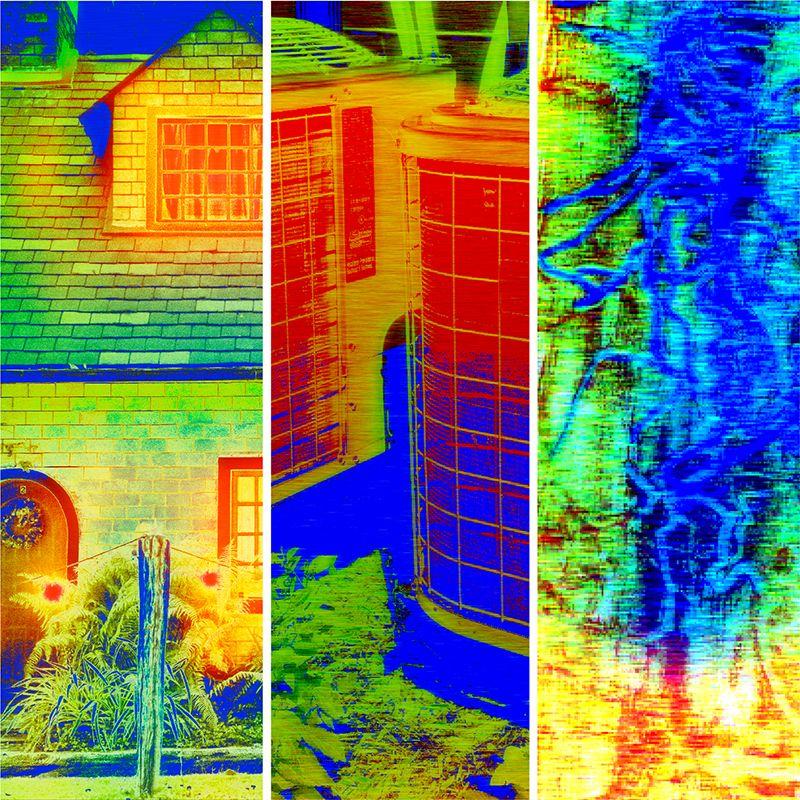
Thermal imaging cameras detect temperature differences behind walls, indicating moisture presence.
Routine inspections using thermal imaging can identify:
- Slow plumbing leaks
- Window intrusion
- Roof seepage
- Hidden slab moisture
This non-invasive method prevents unnecessary demolition while confirming early-stage problems.
Periodic professional moisture inspections are especially valuable after hurricane season.
Act Quickly After Minor Leaks
One of the most important long-term protection tips is simple: do not delay.
In coastal climates, moisture spreads rapidly.
A small leak left unattended for even a few days can lead to:
- Mold growth
- Drywall deterioration
- Insulation damage
- Wood swelling
- HVAC contamination
If you notice:
- Staining
- Dripping sounds
- Warped materials
- Persistent humidity
Schedule inspection immediately.
Early detection reduces restoration scope significantly.
Protect During Renovations
Renovation projects sometimes introduce new moisture pathways.
After remodeling:
- Confirm plumbing connections are secure
- Test appliances before closing walls
- Monitor humidity during material curing
- Inspect newly sealed windows
Construction materials exposed to humidity before proper sealing may trap moisture inside walls.
Preventive inspections after renovations protect newly updated spaces.
Maintain Climate Control in Vacant Properties
Vacation homes and seasonal condos near Biscayne Bay are at higher risk of hidden leaks.
If climate control is turned off during absence:
- Humidity rises
- Condensation forms
- Minor leaks worsen unnoticed
Maintain moderate AC settings and humidity control even when away.
Remote monitoring systems provide additional security.
Vacant units are among the most common locations for delayed leak detection.
Document and Track Small Repairs
Long-term protection includes good recordkeeping.
Track:
- Minor plumbing repairs
- Roof maintenance dates
- Seal replacements
- AC servicing
- Moisture inspection results
Patterns help identify recurring problem areas.
In high-rise buildings, communication with building management regarding shared plumbing systems is essential.
Documentation supports insurance claims if necessary.
Why Local Coastal Experience Matters
Water leak detection in coastal neighborhoods requires understanding:
- Wind-driven rain behavior
- Salt corrosion patterns
- Slab moisture migration
- High-rise building dynamics
- HVAC condensation in humid climates
A restoration professional familiar with North Miami, Miami Shores, Biscayne Park, Aventura, Surfside, and Sunny Isles Beach recognizes how these environmental pressures affect building systems.
Tip Top Water and Fire Damage Restoration has provided leak detection and moisture inspections throughout these coastal communities, applying strategies designed specifically for South Florida’s conditions.
Local knowledge ensures accurate identification of both visible and hidden leaks.
A Practical Long-Term Strategy
Long-term protection related to water leak detection is about staying ahead of moisture — not reacting after damage spreads.
Key steps include:
- Installing smart leak sensors
- Scheduling annual plumbing inspections
- Maintaining HVAC systems
- Inspecting exterior seals before storm season
- Monitoring slab moisture
- Using thermal imaging for early detection
- Maintaining climate control year-round
Coastal living near Biscayne Bay will always involve environmental moisture.
But proactive leak detection dramatically reduces the risk of mold growth, structural damage, and costly restoration.
Early awareness protects property value, preserves indoor air quality, and ensures that small leaks remain small.
In South Florida’s waterfront communities, vigilance is the most effective long-term defense.