
Long-Term Protection Tips Related to Water Removal in Miami Shores
Introduction: Water Removal Is Only the First Step Toward Protection
Water damage is one of the most common property issues affecting homes in Miami Shores. While many residents associate flooding with hurricanes or major storms, water damage frequently comes from everyday problems like plumbing failures, roof leaks, or air conditioning drainage issues.
After water removal is completed, many homeowners assume the problem is resolved. However, restoration professionals regularly observe that long-term damage occurs when moisture problems are not fully addressed after initial cleanup. Proper water removal is essential, but long-term protection requires careful drying, repairs, and preventive maintenance.
Understanding how water removal connects to long-term protection helps homeowners, landlords, and property managers avoid recurring damage and expensive repairs.
Understanding Water Damage in Miami Shores Homes
Water damage occurs whenever moisture enters areas not designed to handle it. In Miami Shores, heavy rainfall, aging plumbing, and high humidity create conditions where moisture problems frequently develop.
Water intrusion often begins quietly. A small leak behind a wall or slow plumbing failure can soak insulation, drywall, and flooring materials over time. Once moisture spreads, it weakens materials and may lead to mold growth.
Because many affected areas are hidden, homeowners often notice damage only after stains or odors appear. At that point, professional water removal and drying are usually required.
Understanding how water spreads inside structures highlights why proper removal and drying are critical.
Why Water Damage Happens Frequently in Miami Shores
Although Miami Shores sits inland compared to waterfront communities, homes here still experience South Florida’s challenging climate. Heavy summer rainstorms and seasonal hurricanes regularly expose properties to water intrusion risks.
Many houses in Miami Shores are older, with plumbing systems and roofing materials that may be reaching the end of their lifespan. Aging pipes can develop slow leaks, while older roofs may allow rainwater to seep inside.
Air conditioning systems also contribute to moisture issues. Condensation buildup or clogged drain lines often cause hidden leaks inside attics or closets.
Nearby areas such as Biscayne Park, North Miami, and Miami Beach experience similar conditions, making water removal services common across the region.
Common Warning Signs After Water Intrusion
Water damage often reveals itself gradually. Homeowners frequently notice warning signs before realizing professional water removal is needed.
Common signs include discoloration on ceilings or walls, peeling paint, warped or soft flooring, and persistent musty odors indoors. Some residents notice rooms feeling unusually humid even with air conditioning operating.
Cabinets beneath sinks may become damp, and mold sometimes appears along baseboards or corners. Homeowners may also hear dripping sounds behind walls.
Recognizing these early signs allows property owners to address problems before moisture spreads further.
Hidden Areas Where Water Damage Spreads
One major challenge with water damage is that moisture frequently spreads into areas homeowners rarely inspect. Professional inspections in Miami Shores homes often uncover hidden damage behind walls or beneath flooring.
Common hidden areas include plumbing lines inside walls, beneath bathrooms or kitchens, attic insulation after roof leaks, and inside HVAC systems.
Water easily travels along framing materials, meaning visible damage may appear far from the original leak source. Closets and storage areas with limited airflow also trap moisture.
Proper water removal includes identifying all areas affected, not just visible surfaces.
Why DIY Water Cleanup Often Leads to Future Problems
Homeowners sometimes try to handle water cleanup themselves after minor leaks or flooding. While removing visible water may seem sufficient, moisture often remains hidden inside structures.
DIY cleanup frequently fails because trapped moisture is not fully removed. Wet drywall, insulation, or subflooring continues to hold water, eventually leading to mold growth or material deterioration.
Without professional drying equipment, it is difficult to ensure structures are completely dry. Professional restoration teams use specialized tools to confirm moisture levels are safe before repairs begin.
Addressing hidden moisture early prevents repeated restoration work later.
How Professional Water Removal Works
Professional water removal involves several steps beyond simply extracting visible water. Restoration professionals first locate the water source and stop further intrusion.
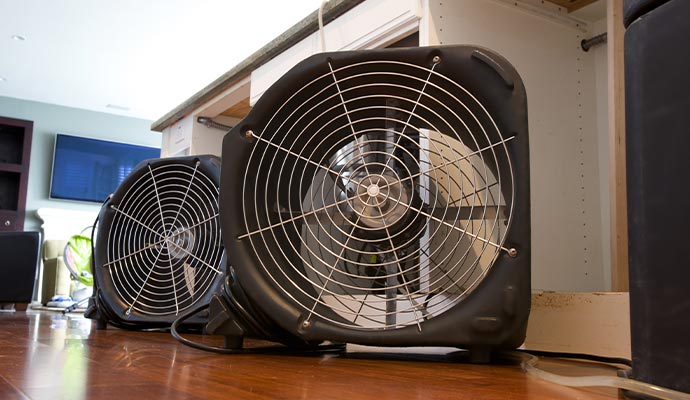
High-powered extraction equipment removes standing water, while moisture meters help locate damp areas inside walls or floors. Air movers and dehumidifiers then dry structures thoroughly.
Thermal imaging tools sometimes reveal moisture pockets hidden behind surfaces. Damaged materials may be removed when drying alone is insufficient.
Restoration teams experienced in local conditions, including Tip Top Water and Fire Damage Restoration, frequently observe that quick response significantly reduces long-term repair costs.
Proper water removal protects both structural components and indoor air quality.
How Water Damage Leads to Mold Growth
One of the biggest long-term risks after water damage is mold development. Mold begins growing quickly when moisture remains trapped inside materials.
Even small leaks can create conditions where mold spreads behind walls or beneath flooring. Once mold develops, remediation becomes more complex and costly.
Professional drying following water removal significantly reduces mold risk, but preventive maintenance afterward is essential.
Air Conditioning Systems and Ongoing Moisture Risks
Air conditioning systems play a major role in maintaining indoor comfort in Miami Shores homes. However, they can also become sources of water damage if not maintained properly.
Condensation buildup must drain correctly, or water can leak into surrounding structures. Overflowing drain pans or clogged lines frequently cause ceiling or wall damage.
Routine maintenance and inspection of AC systems help prevent future moisture issues.
Ensuring proper airflow and drainage reduces recurring problems.
Long-Term Protection Tips for Property Owners
Preventing future water damage requires consistent maintenance rather than reacting only after problems appear. Property owners should inspect plumbing systems regularly and replace aging pipes before failures occur.
Maintaining roofing systems, sealing windows, and checking foundations help prevent rainwater intrusion. AC drain lines should be cleaned annually to prevent overflow.
Installing leak detection sensors near appliances, water heaters, and AC systems provides early warning when problems begin. After storms, properties should be inspected quickly to ensure no hidden water intrusion remains.
Consistent preventive care reduces restoration costs while protecting long-term property value.
Why Local Experience Matters for Water Removal
Water removal challenges vary based on building style and environmental conditions. Professionals familiar with Miami Shores homes understand how aging infrastructure and humidity influence moisture risks.
Teams serving Miami Shores, Biscayne Park, North Miami, and surrounding neighborhoods recognize common vulnerabilities in older properties and apply solutions suited to local construction styles.
Companies like Tip Top Water and Fire Damage Restoration bring practical experience from working across South Florida communities, helping property owners resolve moisture problems efficiently.
Local expertise ensures restoration and prevention strategies address real conditions rather than temporary fixes.
A Practical Next Step for Property Owners
If your home has experienced leaks or water intrusion, scheduling a professional inspection after cleanup is a smart preventive step. Early drying and repairs prevent hidden moisture from turning into mold or structural damage.
For homeowners and property managers in Miami Shores, proactive maintenance and proper water removal protect both indoor comfort and long-term property value. Addressing moisture issues early ensures homes remain safe while avoiding repeated restoration expenses in South Florida’s humid climate.