
Moisture Detection in Bal Harbour After Roof Leaks: What to Watch For
In Bal Harbour, roof leaks don’t behave like they do inland.
Between wind-driven rain, salt-heavy coastal air, flat or low-slope roofing systems, and intense storm exposure, water intrusion can spread farther and linger longer than most property owners expect.
And here’s the problem:
By the time you see a ceiling stain, the moisture has usually traveled well beyond that visible mark.
Moisture detection after a roof leak isn’t just about finding wet drywall. It’s about identifying hidden saturation before mold, structural damage, or corrosion take hold.
Let’s break down what to watch for in coastal properties.
Why Roof Leaks Spread Further in Bal Harbour
Bal Harbour properties — especially luxury homes and high-rise condos — often feature:
- Flat or low-slope roofing
- Large roof penetrations for HVAC
- Parapet walls
- Concrete structures
- Extensive attic ductwork
Wind-driven rain can push water sideways under flashing, not just downward.
Once inside, water may:
- Travel along beams
- Follow electrical conduits
- Pool above ceiling drywall
- Saturate insulation silently
By the time staining appears indoors, the leak may have been active for weeks.
Early Visual Clues Most Owners Miss
Not all roof leak damage looks dramatic.
Watch for subtle indicators such as:
- Slight paint bubbling on ceilings
- Faint discoloration around recessed lighting
- Small cracks forming near ceiling corners
- Warped crown molding
- Minor musty odor after heavy rain
In coastal homes, these small signs often indicate moisture trapped above the ceiling.
Ignoring them allows saturation to spread.
Attic Inspection Is Critical
In single-family homes in Bal Harbour, attic spaces often reveal problems before living areas do.
After a roof leak, check for:
- Damp insulation texture
- Darkened roof decking
- Rusting nails or fasteners
- Wet HVAC duct insulation
- Dripping condensation on framing
Salt air accelerates corrosion, so metal components may show rust quickly when moisture is present.
If insulation remains damp, mold risk increases significantly.
High-Rise Considerations in Bal Harbour Condos
In multi-story buildings, roof leaks may affect:
- Top-floor ceilings
- Shared structural cavities
- HVAC chases
- Electrical shafts
Water can migrate downward between units.
If you’re on the top floor and notice minor staining, adjacent units may already be affected inside wall cavities.
Moisture detection in high-rise properties often requires coordination with building management.
Using Moisture Meters and Thermal Imaging
Because humidity is naturally high in coastal areas, visual inspection alone isn’t enough.
Professional moisture detection tools include:
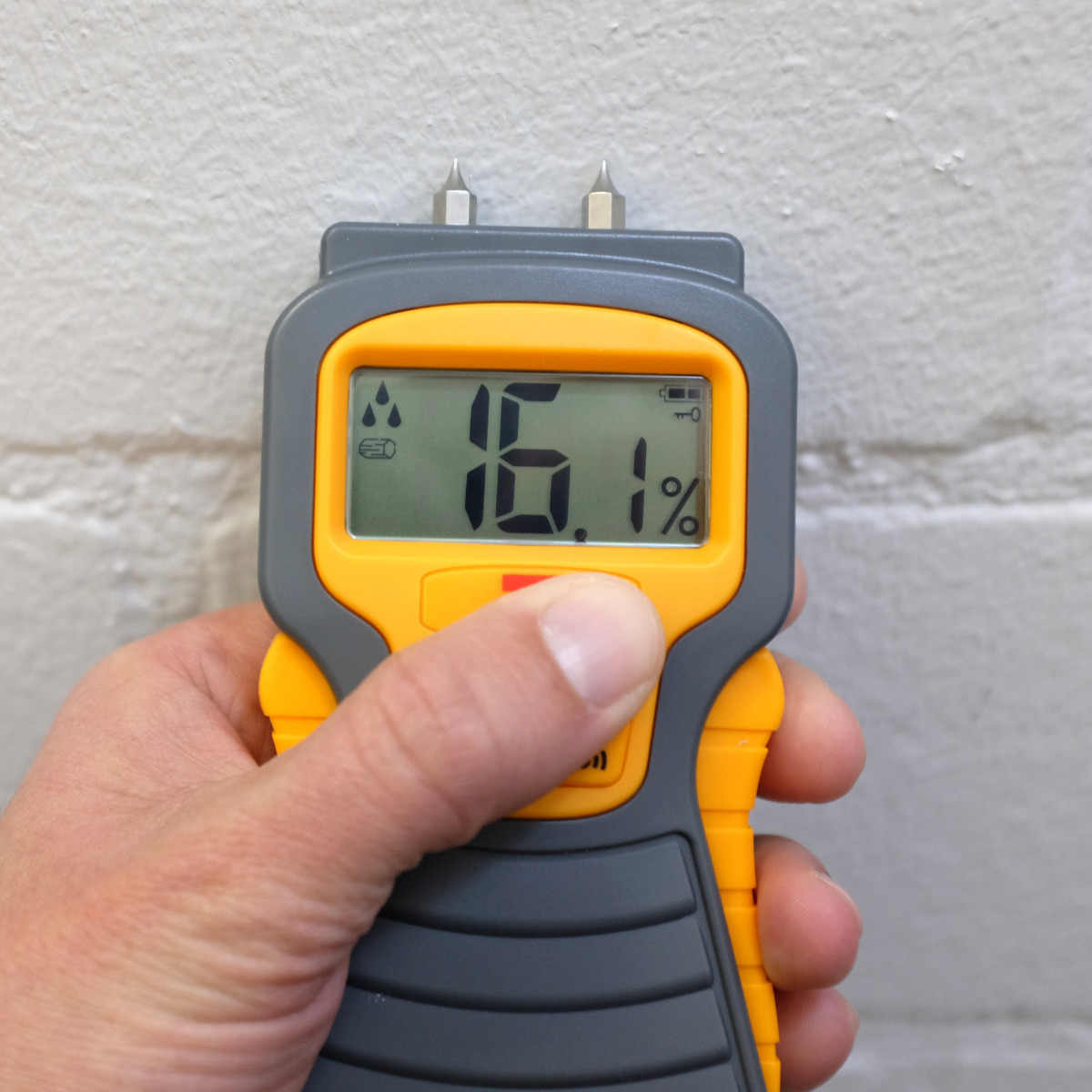
- Pin moisture meters
- Non-invasive moisture scanners
- Infrared thermal cameras
Thermal imaging identifies temperature differences that indicate trapped moisture behind drywall.
Moisture mapping shows how far water has migrated from the original entry point.
In Bal Harbour’s climate, hidden moisture often spreads horizontally along framing before dripping downward.
Watch for HVAC-Related Moisture Spread
Roof leaks often impact attic HVAC systems.
If duct insulation becomes saturated:
- Moisture may drip into ceiling cavities
- Mold can grow inside duct material
- Odor may spread when the AC runs
After a roof leak, HVAC inspection is just as important as ceiling inspection.
Running a contaminated system can distribute moisture-related issues throughout the property.
Salt Air Makes Drying More Difficult
Bal Harbour’s coastal air contains salt particles that:
- Attract moisture
- Increase corrosion
- Prolong damp conditions
Even after rain stops, elevated outdoor humidity slows indoor drying.
Opening windows rarely helps.
Controlled drying using dehumidifiers is often required to bring materials back to safe moisture levels.
Without verified drying, mold growth can begin within 48 hours.
Slab and Wall Cavity Moisture
In some cases, roof leaks saturate walls all the way down to baseboards.
Watch for:
- Baseboard swelling below a ceiling stain
- Soft drywall at mid-wall height
- Warped flooring near exterior walls
Water often follows the path of least resistance — including inside wall cavities.
Moisture detection should include lower wall readings, not just ceiling scans.
Electrical Safety After Roof Leaks
Water intrusion near ceiling fixtures poses electrical risks.
Look for:
- Flickering lights
- Tripped breakers
- Rust forming around fixtures
Saltwater exposure increases corrosion risk inside wiring connections.
Electrical inspection may be necessary if moisture reached wiring pathways.
When Professional Detection Is Necessary
You should strongly consider professional moisture detection if:
- The roof leak lasted more than 24 hours
- Staining continues to expand
- Musty odors develop
- The property remained humid after the leak
- The roof repair occurred days or weeks after intrusion
Coastal conditions allow moisture to linger invisibly.
Professional detection prevents secondary mold remediation.
Preventing Mold After Roof Leaks
After moisture is detected, prevention is the next step.
This includes:
- Immediate drying
- Removing saturated insulation
- Monitoring humidity levels
- Treating affected framing if necessary
Bal Harbour’s climate makes rapid response essential.
Waiting for visible mold means the damage has already progressed.
Long-Term Roof Maintenance in Coastal Areas
Preventative maintenance reduces future leaks.
Bal Harbour properties should include:
- Annual roof inspections
- Sealant checks around penetrations
- Flashing inspection after storms
- Regular cleaning of roof drains
- Checking parapet walls for cracking
Salt exposure and strong winds accelerate wear.
Proactive inspection protects the structure.
Final Thoughts
Moisture detection in Bal Harbour after roof leaks requires a thorough approach.
Water rarely stays where it enters.
It travels through framing, insulation, ductwork, and wall cavities — often without immediate visible signs.
In coastal properties, humidity and salt exposure slow drying and increase corrosion risk.
If you notice even minor signs of a roof leak, early moisture detection prevents:
- Mold growth
- Structural deterioration
- Electrical hazards
- Expensive reconstruction
In Bal Harbour’s coastal environment, small leaks become major repairs when moisture isn’t properly identified and controlled.