
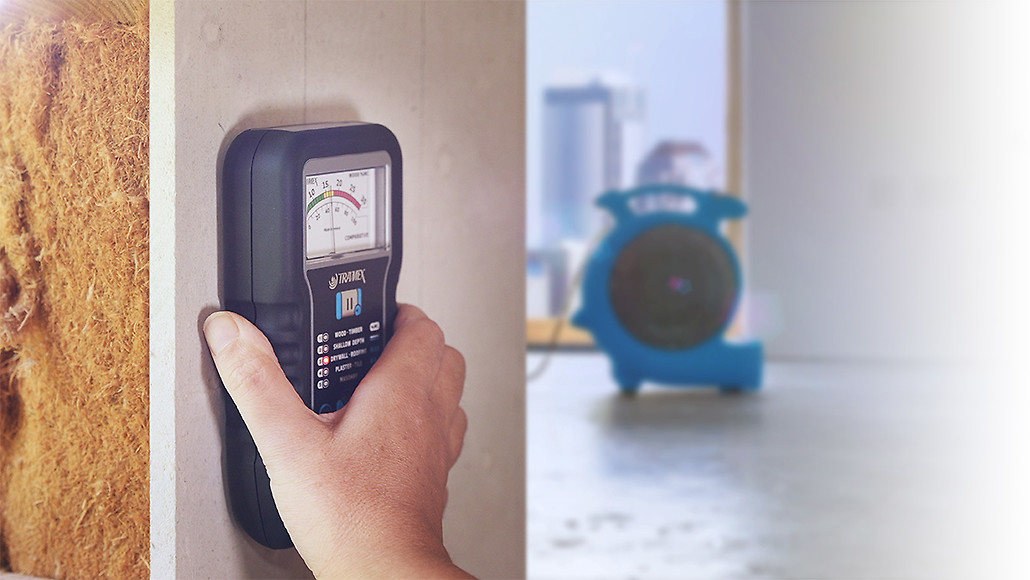
Moisture Detection in Bayfront Homes in North Miami: Real-World Observations from Local Properties
Bayfront living in North Miami offers scenic views, coastal breezes, and a relaxed lifestyle that attracts homeowners and property investors alike. However, properties located close to Biscayne Bay also face ongoing challenges related to moisture exposure. Many homes that appear perfectly maintained on the surface often struggle with hidden moisture issues that can lead to mold growth, structural damage, and indoor air quality concerns.
Through years of inspections and restoration work across North Miami and neighboring communities, professionals have observed recurring moisture patterns in bayfront homes. These real-world observations highlight why moisture detection plays such an important role in maintaining coastal properties and preventing costly repairs.
Understanding how moisture behaves in bayfront environments helps homeowners address problems early rather than reacting after damage becomes visible.
Understanding Moisture Issues in Coastal Homes
Moisture intrusion occurs when water or humidity enters parts of a home meant to remain dry. In coastal areas, moisture exposure is constant due to humidity, storms, and ocean air. Even when flooding or major leaks are not present, homes can slowly accumulate moisture over time.
Moisture problems may develop through:
• Minor plumbing leaks
• AC condensation buildup
• Roof or window seal failures
• Poor ventilation
• Humid air entering through openings
Once moisture becomes trapped inside walls, flooring, or insulation, it can create long-term problems that are difficult to detect without professional tools.
Moisture detection helps identify hidden damp areas before they evolve into mold or structural damage.
Why Bayfront Homes Face Greater Moisture Risks
Homes located near Biscayne Bay experience environmental conditions that increase moisture challenges compared to inland properties.
Coastal humidity remains high throughout most of the year, making indoor moisture control difficult. Seasonal storms bring heavy rainfall and wind-driven water intrusion, sometimes entering homes through minor exterior weaknesses.
In addition, salt-rich coastal air gradually deteriorates building materials, creating cracks or small openings that allow water intrusion over time.
Many bayfront homes also rely heavily on air conditioning systems. While AC units reduce temperature, they produce condensation that must drain properly. When drainage systems malfunction, moisture can accumulate unnoticed.
Communities such as Miami Shores, Biscayne Park, Aventura, and North Miami Beach experience similar patterns, particularly in homes located near canals or waterfront zones.
Early Signs Homeowners Commonly Notice
In many inspections across North Miami bayfront neighborhoods, moisture problems are discovered only after homeowners notice subtle changes indoors.
Common early signs include:
• Persistent musty smells
• Condensation on windows or vents
• Paint bubbling or wall discoloration
• Warping flooring or baseboards
• Increased indoor humidity
• Mold spots near vents or corners
Because these symptoms often resemble normal humidity effects, homeowners sometimes delay investigation until damage becomes more serious.
Hidden Areas Where Moisture Frequently Accumulates
Real-world inspections of bayfront properties reveal that moisture rarely remains visible for long. Instead, it spreads to hidden areas where homeowners rarely look.
Common hidden moisture locations include:
• Behind drywall from slow plumbing leaks
• Under flooring after minor flooding events
• Inside insulation and wall cavities
• Beneath kitchen and bathroom cabinets
• Inside air conditioning closets
• Attics affected by roof leaks
• Crawl spaces with poor ventilation
Even small amounts of trapped moisture can sustain mold growth or weaken structural materials over time.
Why DIY Detection Often Misses the Problem
Homeowners sometimes try to locate moisture by looking for stains or damp surfaces. While this may reveal obvious leaks, it rarely identifies deeper issues.
DIY inspections typically fail to detect:
• Moisture inside wall cavities
• Damp insulation
• Subfloor moisture under tiles or wood flooring
• Condensation buildup in ventilation systems
Professional moisture detection equipment allows inspectors to find problems without removing walls or flooring unnecessarily.
How Professional Moisture Detection Works
Professional moisture detection relies on specialized tools and inspection methods that reveal hidden moisture patterns.
Typical inspection procedures include:
• Moisture meter readings across walls and floors
• Thermal imaging cameras that show temperature differences caused by moisture
• Inspection of plumbing and drainage systems
• Evaluation of AC condensation and airflow
• Roof and exterior leak assessment
Thermal imaging is especially useful because moisture alters surface temperature, making hidden damp areas visible without invasive testing.
This targeted approach allows repairs to focus only on affected areas.
Real-World Observations from Local Inspections
Across bayfront homes in North Miami, inspectors frequently observe recurring patterns that lead to moisture issues.
Common scenarios include:
• Condensation buildup in AC closets due to clogged drain lines
• Minor roof leaks allowing slow moisture intrusion into attics
• Window seals failing after years of storm exposure
• Plumbing leaks inside walls going unnoticed for months
• Poor airflow in certain rooms creating humidity pockets
Many homeowners are surprised to learn moisture problems existed long before visible damage appeared.
Routine inspections help catch these issues early.
Moisture and Mold Growth Connection
Moisture detection is closely tied to mold prevention. Mold requires moisture to grow, and in North Miami’s warm climate, mold can begin forming quickly once materials become damp.
When moisture remains hidden, mold colonies may spread behind walls or inside ventilation systems without obvious warning signs.
Professional moisture detection often prevents mold remediation by eliminating moisture sources before growth occurs.
Addressing moisture early protects both indoor air quality and property value.
HVAC Systems and Moisture Challenges
Air conditioning systems play a crucial role in controlling indoor humidity, but they can also become moisture sources when not properly maintained.
Common HVAC-related moisture problems include:
• Blocked condensate drain lines
• Overflowing drain pans
• Dirty coils holding moisture
• Uneven airflow creating humid zones
Once moisture accumulates in ducts, mold spores can circulate throughout the home.
Routine maintenance and inspections help prevent these issues.
Preventing Moisture Problems in Bayfront Homes
Homeowners in North Miami can reduce moisture risks through consistent maintenance and monitoring.
Helpful preventive steps include:
• Scheduling regular AC inspections
• Repairing leaks immediately
• Inspecting roofs and windows after storms
• Using dehumidifiers in humid rooms
• Ensuring proper attic and crawl space ventilation
• Scheduling periodic professional moisture inspections
Preventive action is far less expensive than major restoration work later.
Why Local Experience Matters
Moisture behavior varies by region, and coastal homes face different challenges than inland properties. Professionals familiar with North Miami’s climate understand how humidity, storms, and coastal construction influence moisture movement.
Local restoration providers such as Tip Top Water and Fire Damage Restoration regularly address moisture issues unique to bayfront communities, allowing them to tailor inspections and solutions to real local conditions.
Their experience helps homeowners avoid recurring problems and unnecessary repairs.
A Practical Next Step for Homeowners
If your bayfront home shows signs of humidity, unexplained odors, or minor water damage, scheduling moisture detection can provide clarity before problems escalate.
Moisture detection is not just an emergency response; it is part of smart property maintenance in coastal neighborhoods. Taking early action protects structural integrity, indoor comfort, and long-term property value.
In North Miami’s bayfront communities, proactive moisture detection helps homeowners stay ahead of hidden problems and maintain safe, comfortable homes despite challenging coastal conditions.