Moisture Detection in Biscayne Park After Hurricanes: What to Watch For
Biscayne Park, Florida, is a charming residential community known for its tree-lined streets, single-family homes, and close proximity to Biscayne Bay. While this location offers residents a serene and picturesque environment, it also places properties at risk during hurricane season. Hurricanes and tropical storms bring heavy rainfall, high winds, and storm surges that can cause both visible and hidden water damage. In the aftermath, moisture detection becomes a critical step for homeowners, landlords, and property managers to protect structural integrity, prevent mold growth, and maintain indoor air quality.
Moisture can hide in walls, flooring, ceilings, crawl spaces, and ductwork, often going unnoticed until it leads to significant problems. Understanding what to watch for and how to properly detect moisture after a hurricane is essential for long-term property maintenance in Biscayne Park.
Why Moisture Detection Is Critical After Hurricanes
Hurricanes can leave behind water intrusion in unexpected areas, even if there is no visible flooding inside the home. Some of the primary reasons moisture detection is critical include:
- Preventing Mold Growth – Moisture trapped in walls, flooring, or insulation can become a breeding ground for mold, which can appear within 24–48 hours after water exposure.
- Protecting Structural Integrity – Prolonged moisture exposure can warp wooden framing, weaken subflooring, and compromise drywall.
- Maintaining Indoor Air Quality – Hidden water promotes bacterial growth and mold spores, which can negatively impact health.
- Reducing Long-Term Costs – Early detection minimizes the need for extensive repairs and prevents recurring water-related issues.
Moisture detection after hurricanes is not optional—it is a preventive measure that safeguards the property and the occupants living within.
Common Sources of Moisture After Hurricanes
Several factors contribute to water intrusion in Biscayne Park homes after hurricanes:
1. Roof and Flashing Damage
High winds can lift shingles or tiles, allowing rainwater to penetrate the roof. Damaged flashing around chimneys, skylights, and vents can further contribute to leaks.
2. Window and Door Leaks
Storm surges and wind-driven rain may infiltrate poorly sealed windows and doors, leading to moisture behind walls and under flooring.
3. Flooding and Stormwater Intrusion
Even minor flooding from street runoff or storm surges can result in water seeping into foundations, crawl spaces, and ground-level rooms.
4. Plumbing and HVAC Systems
Plumbing may be stressed or damaged during storms, and HVAC systems can produce excess condensation that collects in walls or ceilings.
5. Condensation in High-Humidity Conditions
After a hurricane, the combination of heat, high humidity, and residual wet surfaces creates ideal conditions for condensation, which can be difficult to detect without specialized tools.
Understanding these common sources helps homeowners and property managers prioritize inspections and focus on areas most likely to retain hidden moisture.
Signs That Moisture May Be Present
After a hurricane, several indicators suggest that water may be trapped in hidden areas:
- Musty or Moldy Odors – Lingering smells in attics, closets, or basements often indicate hidden moisture.
- Water Stains or Discoloration – Brownish marks on ceilings, walls, or floors can signal past or ongoing leaks.
- Warped or Buckled Flooring – Wood and laminate flooring may warp when exposed to excessive moisture.
- Soft or Sagging Walls – Drywall or plaster that feels soft or uneven may have absorbed water.
- Condensation on Pipes or Windows – Excess moisture on surfaces may be a sign of leaks or high humidity.
- Health Complaints – Occupants experiencing allergy symptoms, coughing, or respiratory irritation may be affected by mold spores released from hidden water sources.
Prompt attention to these signs helps mitigate long-term damage and reduces health risks.
Professional Moisture Detection Methods
While some homeowners may attempt to inspect their property visually, professional moisture detection ensures thorough identification of both visible and hidden water. Techniques include:
1. Moisture Meters
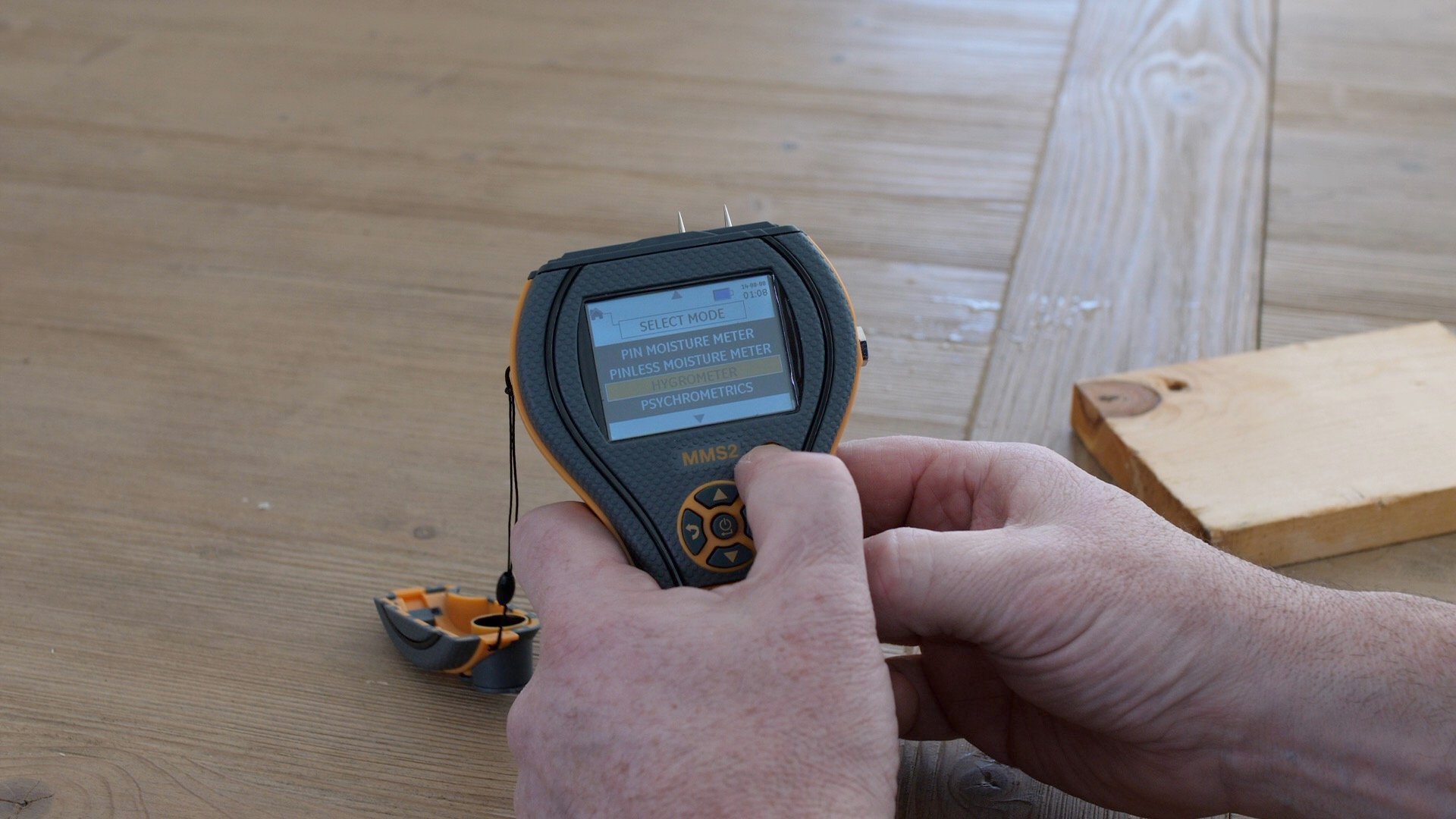
Moisture meters measure the water content in walls, ceilings, floors, and subflooring. They are effective in identifying moisture hidden within building materials.
2. Thermal Imaging Cameras
Infrared cameras detect temperature differences caused by moisture trapped behind walls or under floors, revealing leaks invisible to the naked eye.
3. Hygrometers and Data Loggers
These devices measure relative humidity and track changes over time, helping detect damp areas in attics, crawl spaces, and interiors.
4. Acoustic Leak Detection
Specialized equipment identifies water movement inside pipes, under slabs, or behind walls, pinpointing the location of hidden leaks.
5. Visual Inspection
Technicians examine areas prone to moisture accumulation, including attics, crawl spaces, bathrooms, kitchens, and HVAC systems.
By combining these techniques, professionals can accurately locate moisture, even in challenging areas, and determine the best course of action for remediation.
Real-World Observations from Biscayne Park Homes
Experience working in Biscayne Park shows recurring patterns in post-hurricane moisture issues:
- Crawl Spaces and Basements – Water often infiltrates these areas, remaining trapped in insulation or subflooring.
- High Humidity Challenges – Homes with limited ventilation struggle to dry completely, promoting mold growth.
- Hidden Mold Development – Even minor leaks behind walls or under flooring can lead to mold problems if left untreated.
- Roof and Flashing Vulnerabilities – Older homes are particularly susceptible to roof leaks during hurricanes.
These observations highlight the importance of professional moisture detection to prevent ongoing damage and maintain property value.
Why DIY Moisture Detection Often Falls Short
While homeowners may spot visible leaks or water stains, hidden moisture can remain undetected without specialized tools. DIY approaches often fail because:
- Moisture behind walls, under floors, or inside ductwork is invisible to the naked eye.
- Slow or intermittent leaks may go unnoticed.
- Incomplete detection leads to recurring water issues and mold growth.
- Professional equipment provides precise readings, documentation, and verification for insurance and maintenance records.
Professional detection ensures that moisture is fully identified and addressed, preventing long-term problems.
Steps After Moisture Detection
Once moisture is detected in a Biscayne Park home, the following steps are recommended:
- Repair the Source – Fix roofing, window seals, plumbing, or HVAC issues to stop water intrusion.
- Water Extraction – Remove any standing water from floors, carpets, or low-lying areas.
- Drying and Dehumidification – Use industrial fans, dehumidifiers, and ventilation to eliminate residual moisture.
- Mold Prevention and Remediation – Treat affected areas with antimicrobial solutions and monitor for mold growth.
- Structural Assessment – Inspect floors, walls, and ceilings for damage caused by prolonged exposure to moisture.
- Documentation – Keep detailed records of detection, remediation, and repairs for future reference and insurance claims.
Prompt action minimizes damage, reduces repair costs, and ensures a safe living environment.
Preventive Strategies for Hurricane-Prone Areas
To reduce moisture-related risks in Biscayne Park, property owners should adopt proactive measures:
- Regular Roof and Window Maintenance – Inspect flashing, seals, and roofing before hurricane season.
- Routine Plumbing Checks – Ensure pipes, water heaters, and appliances are in good condition.
- Humidity Control – Use dehumidifiers and maintain AC systems to reduce indoor moisture.
- Post-Storm Inspections – Immediately check for leaks, water stains, and damp areas after hurricanes.
- Tenant and Occupant Awareness – Educate residents on signs of moisture and encourage prompt reporting.
- Professional Moisture Detection – Annual or post-storm inspections can catch hidden issues before they escalate.
These preventive measures help maintain structural integrity, reduce mold risk, and preserve property value.
Local Expertise Matters
Moisture detection in Biscayne Park requires specialized knowledge:
- Coastal humidity and storm patterns influence water intrusion risk.
- Knowledge of common construction types, including slab foundations and older homes.
- Expertise in moisture detection equipment, water extraction, and mold prevention.
- Coordinating detection with repair, drying, and remediation ensures thorough resolution.
Tip Top Water and Fire Damage Restoration has extensive experience serving Biscayne Park, North Miami, Sunny Isles Beach, Bal Harbour, Aventura, Miami Shores, and nearby coastal neighborhoods. Their local expertise ensures moisture detection is accurate, effective, and tailored to the unique challenges of hurricane-prone areas.
Moving Forward
For homeowners, landlords, and property managers in Biscayne Park, moisture detection after hurricanes is essential:
- Schedule professional assessments immediately following storms.
- Repair sources of leaks and water intrusion promptly.
- Extract water and dry affected areas thoroughly.
- Monitor indoor humidity and maintain AC systems to prevent recurrence.
- Educate tenants on recognizing moisture issues and reporting them promptly.
- Maintain detailed records of inspections, remediation, and repairs.
By combining early detection, professional remediation, and preventive measures, properties in Biscayne Park remain safe, structurally sound, and protected from the long-term effects of hurricane-related moisture.