
Moisture Detection in Coastal Neighborhoods Near Biscayne Bay in Waterfront Properties: What to Watch For
Waterfront properties near Biscayne Bay — including North Miami, Miami Shores, Biscayne Park, Aventura, Surfside, and Sunny Isles Beach — live under constant environmental pressure. Salt air, heavy rainfall, hurricane seasons, high humidity, and rising groundwater all create ideal conditions for hidden moisture.
The challenge is not always visible flooding. In many cases, moisture accumulates quietly inside walls, beneath flooring, and above ceilings long before stains appear.
Moisture detection in coastal neighborhoods is not a luxury service. It is preventive maintenance. Understanding what to watch for can protect structural integrity, indoor air quality, and long-term property value.
Here’s what waterfront property owners should pay attention to.
Why Coastal Properties Require Ongoing Moisture Monitoring
Homes near Biscayne Bay are exposed to:
- Wind-driven rain
- Salt-laden air
- Storm surge potential
- Elevated groundwater
- Continuous HVAC operation
- Slab-on-grade foundations
Unlike inland properties, waterfront homes rarely experience extended dry periods.
Humidity lingers. Materials absorb moisture slowly over time.
Moisture detection helps identify problems before they become mold remediation or structural repair projects.
Watch for Subtle Ceiling Discoloration
Ceiling stains often begin faint.
Light yellow or brown discoloration may appear weeks after a roof intrusion event.
In Miami Shores and North Miami, heavy storms frequently stress flashing and roof penetrations.
Moisture may:
- Soak attic insulation
- Travel along rafters
- Pool above drywall
By the time staining becomes visible, moisture may have already spread.
Routine attic inspections and thermal imaging can identify damp decking early.
Pay Attention to Window and Door Perimeters
Wind-driven rain pushes water horizontally.
In coastal storms, water often enters through:
- Sliding glass door tracks
- Window seals
- Balcony thresholds
- Exterior wall penetrations
Water intrusion may not drip visibly.
Instead, drywall near window frames may feel slightly soft or cool.
Signs to watch for include:
- Bubbling paint
- Warped baseboards
- Persistent damp odors
Moisture meters confirm whether intrusion has occurred behind surfaces.
Monitor Slab Foundations Carefully
Many waterfront homes in Biscayne Park and Aventura sit on slab foundations.
After prolonged rain, groundwater levels rise.
Moisture can migrate upward through concrete.
Watch for:
- Warped hardwood flooring
- Damp carpet edges
- Darkened grout lines
- Musty smells near floor level
Slab moisture is often invisible.
Professional moisture detection tools measure internal moisture levels in flooring materials and concrete.
Ignoring slab dampness increases mold risk.
Check HVAC Systems and Ductwork
Air conditioning systems remove large amounts of humidity daily.
However, AC-related moisture issues are common in South Florida.
Potential warning signs include:
- Rust in drain pans
- Dripping near air handlers
- High indoor humidity despite cooling
- Condensation around vents
Ductwork in attic spaces may develop condensation if insulation deteriorates.
Moisture inside duct systems spreads throughout the property.
Routine HVAC inspection is essential in waterfront homes.
Look for Persistent Musty Odors
Odor is often the first indicator of hidden moisture.
In humid environments, mold growth may begin before visible signs appear.
If musty smells persist in:
- Closets
- Laundry rooms
- Ceiling cavities
- Mechanical closets
Moisture detection is recommended.
Odors without visible staining often signal hidden damp insulation or drywall.
After Storm Season, Schedule an Inspection
Hurricane season stresses buildings significantly.
Wind-driven rain, roof uplift, and debris impact can create small vulnerabilities.
Even if no interior flooding occurred, moisture may have entered attic spaces or wall cavities.
Waterfront properties near Sunny Isles Beach and Surfside often experience minor intrusion that goes unnoticed.
A post-storm moisture inspection provides reassurance and early intervention.
Watch Flooring Transitions and Baseboards
Moisture frequently appears first at floor edges.
Signs include:
- Baseboards separating from walls
- Flooring lifting at seams
- Soft drywall at lower corners
Because moisture travels downward and outward, edges reveal early warning signs.
Thermal imaging and moisture mapping confirm whether dampness extends into structural framing.
Understand Salt Air’s Long-Term Impact
Salt exposure accelerates corrosion.
Over time, salt weakens:
- Window fasteners
- Roof flashing
- HVAC components
- Metal framing connectors
As materials degrade, water intrusion becomes more likely.
Regular exterior inspections reduce moisture entry points.
Salt may not be visible, but its impact increases leak potential.
Be Cautious with Vacant or Seasonal Properties
Waterfront condos in Aventura and Sunny Isles Beach are often seasonal residences.
When unoccupied:
- HVAC systems may be turned off
- Humidity rises
- Condensation forms
- Minor leaks go unnoticed
Maintaining moderate climate control reduces moisture buildup.
Periodic inspections prevent hidden damage.
Vacant properties are among the most common sources of delayed moisture detection.
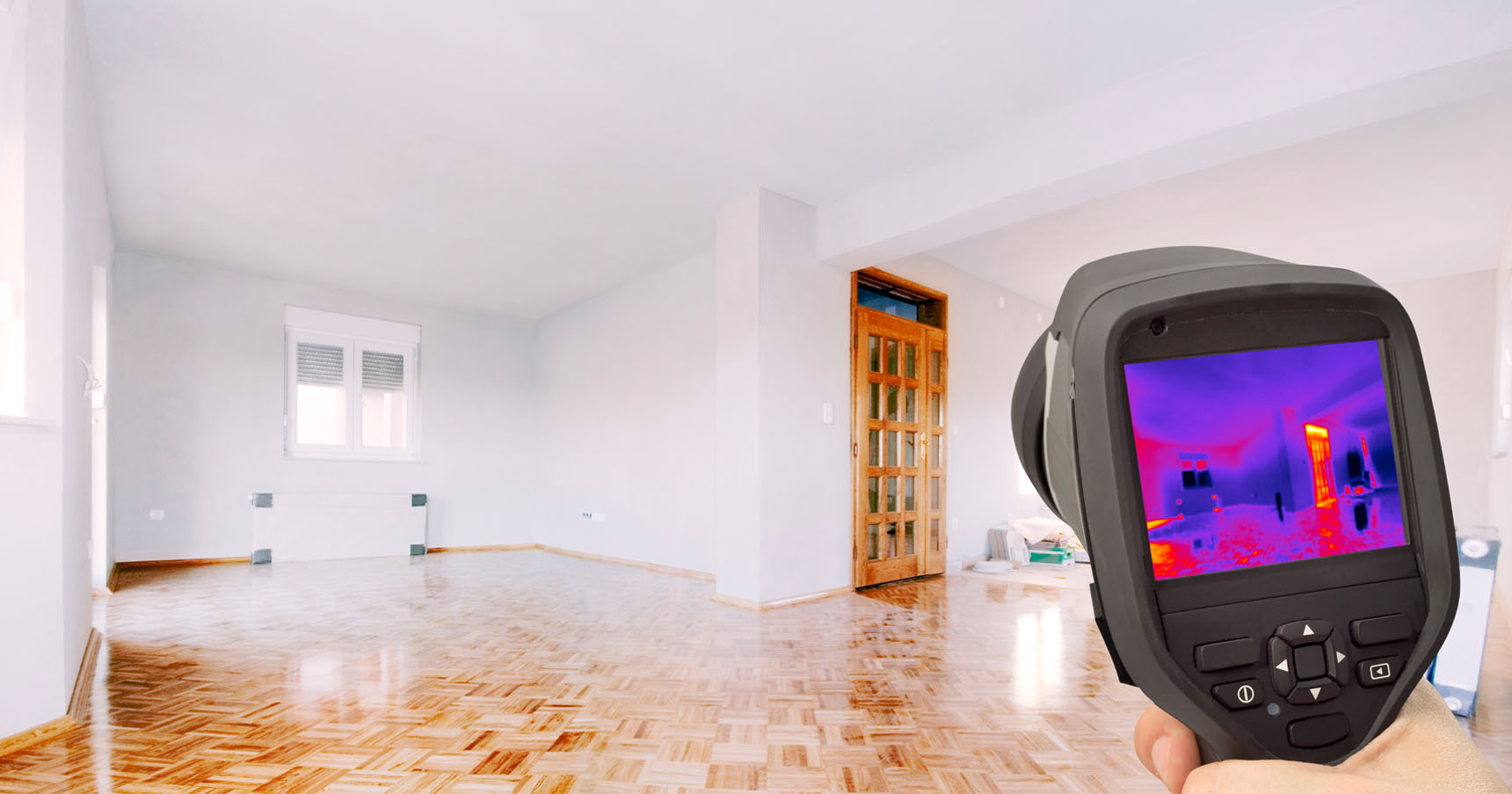
Thermal Imaging and Moisture Meters: Why They Matter
Surface inspection alone is not enough.
Professional moisture detection includes:
- Thermal imaging cameras
- Pin and non-invasive moisture meters
- Humidity monitoring
- Attic and crawl space evaluation
These tools identify hidden moisture without unnecessary demolition.
In coastal climates, early detection saves substantial repair costs.
When to Call for Professional Moisture Detection
Consider scheduling inspection if you notice:
- Repeated humidity above 60%
- Ceiling discoloration
- Soft drywall
- Persistent odors
- Warped flooring
- Window condensation beyond normal levels
- Recent storm intrusion
Early detection reduces restoration scope.
Delays increase the likelihood of mold remediation.
Why Local Coastal Experience Matters
Moisture detection in coastal neighborhoods requires understanding:
- Wind-driven rain patterns
- Slab moisture migration
- Salt corrosion dynamics
- High-rise ventilation systems
- AC performance in humid climates
A restoration professional familiar with North Miami, Miami Shores, Biscayne Park, Aventura, Surfside, and nearby bayfront communities recognizes how these environmental factors influence moisture behavior.
Tip Top Water and Fire Damage Restoration has provided moisture detection and inspection services throughout these waterfront neighborhoods, applying region-specific knowledge to identify hidden dampness accurately.
Local expertise ensures problems are found early — not after damage spreads.
A Practical Perspective for Waterfront Property Owners
Moisture detection in coastal neighborhoods near Biscayne Bay is about vigilance.
Water intrusion does not always announce itself loudly.
Instead, it appears as:
- Subtle staining
- Slight warping
- Mild odors
- Gradual humidity increase
Because South Florida’s climate remains humid year-round, moisture problems escalate quickly.
Routine inspection, HVAC maintenance, exterior seal evaluation, and slab monitoring form the foundation of long-term protection.
Waterfront living brings environmental challenges.
But with consistent moisture detection and proactive response, property owners can protect structural integrity, indoor air quality, and long-term value.
In coastal South Florida, staying ahead of moisture is always more effective than reacting after damage becomes visible.