
Moisture Detection in Miami Shores: A Practical Home Maintenance Guide
Living in Miami Shores means living with humidity. Between coastal air from Biscayne Bay, frequent summer storms, and year-round air conditioning use, moisture is simply part of the environment. But when that moisture settles inside walls, under flooring, or in attic spaces, it can quietly create structural and air quality problems.
Moisture detection is one of the most important — and often overlooked — parts of home maintenance in Miami Shores. It allows homeowners, landlords, and property managers to identify hidden water issues before they turn into mold growth, wood rot, or expensive repairs.
This guide explains how moisture detection works, why it’s especially important in South Florida, and how to approach it in a practical, preventative way.
What Moisture Detection Really Means
Moisture detection is the process of identifying water intrusion or elevated moisture levels inside building materials.
It goes beyond visible leaks.
Professional moisture detection may involve:
- Checking drywall and ceilings for hidden dampness
- Scanning flooring and baseboards
- Testing attic insulation
- Measuring humidity inside wall cavities
- Inspecting HVAC systems for condensation problems
In Miami Shores homes, moisture is not always obvious. Water can travel through structural framing, spread under flooring, or settle in insulation long before stains appear.
Detecting moisture early prevents larger problems later.
Why Moisture Problems Are So Common in Miami Shores
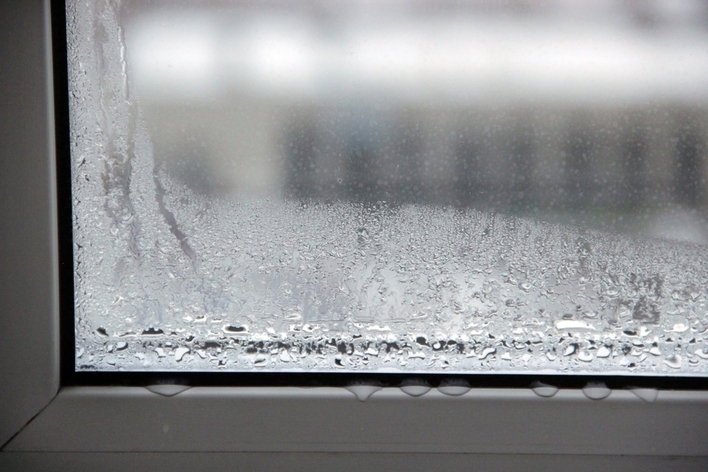
Miami Shores has several environmental and structural factors that make moisture intrusion frequent.
High Year-Round Humidity
Coastal air carries constant moisture. Even without rainfall, humidity levels remain elevated. If air conditioning systems are not properly balanced, indoor humidity can rise above recommended levels.
Heavy Seasonal Rains
Summer thunderstorms and tropical systems bring intense rainfall. Wind-driven rain can penetrate roof edges, window frames, and exterior walls.
Older Homes with Slab Foundations
Many properties in Miami Shores were built decades ago. Slab foundations can hide plumbing leaks beneath flooring, allowing water to spread undetected.
AC Condensation and Drain Line Issues
Air conditioning systems produce condensation. If drain lines clog or insulation deteriorates, water can drip into ceilings or walls.
Coastal Salt Exposure
Salt in the air accelerates corrosion of metal components. Over time, this can weaken plumbing fittings or HVAC parts, increasing leak risks.
Because of these factors, moisture detection should be viewed as routine maintenance — not just a response to visible water damage.
Common Signs of Hidden Moisture
Moisture problems rarely start with dramatic flooding. Instead, homeowners in Miami Shores often notice subtle warning signs:
- Musty odors
- Peeling paint or bubbling drywall
- Warped baseboards
- Stains on ceilings
- Slight floor softening
- Persistent indoor humidity
In condo buildings near Bal Harbour or North Miami Beach, moisture may also migrate between units through shared plumbing or ventilation systems.
Even if the source appears small, moisture can spread farther than expected.
Hidden Sources of Water Intrusion
One of the challenges in Miami Shores homes is identifying the true source of moisture.
Common hidden sources include:
- Roof flashing failures
- Small plumbing leaks behind walls
- Shower pan leaks
- Window seal deterioration
- Slab leaks under tile flooring
- HVAC duct condensation
- Poor attic ventilation
For example, a minor roof leak may allow water into attic insulation. From there, moisture can travel along framing members and appear far from the original entry point.
Without proper detection tools, these pathways are difficult to trace.
Tools Used in Professional Moisture Detection
Professional moisture detection relies on specialized equipment.
Moisture Meters
These devices measure the water content inside materials like drywall, wood, and concrete. Elevated readings indicate hidden dampness.
Thermal Imaging Cameras
Infrared cameras detect temperature differences that may indicate moisture behind walls or ceilings.
Hygrometers
These measure indoor humidity levels, helping determine whether the environment supports mold growth.
Borescopes
Small inspection cameras allow technicians to view inside wall cavities without major demolition.
Using these tools allows a non-invasive evaluation before recommending repairs.
Companies such as Tip Top Water and Fire Damage Restoration regularly use moisture detection equipment throughout Miami Shores and nearby communities to identify hidden issues before they escalate.
The Link Between Moisture and Mold
In South Florida, moisture and mold are closely connected.
When building materials remain damp for 24–72 hours, mold can begin to develop. Because Miami Shores already has warm temperatures and humidity, drying must be thorough and timely.
Moisture detection is often the first step in mold prevention.
Identifying damp areas early allows for:
- Targeted drying
- Leak repairs
- Ventilation improvements
- Air duct inspection
- Dehumidification
Without moisture detection, mold may develop inside walls, beneath flooring, or inside duct systems.
Moisture Detection After Storms
After heavy storms in Miami Shores, even if flooding is not obvious, moisture detection is wise.
Wind-driven rain can:
- Enter roof vents
- Penetrate window frames
- Soak exterior walls
- Flood ground-level rooms
Water extraction and structural drying may be necessary even when damage appears minimal.
If floodwater enters the home, moisture detection ensures that subflooring, baseboards, and insulation are properly dried to prevent future problems.
Why DIY Moisture Checks Are Limited
Homeowners sometimes rely on visual inspection or touch to assess dryness.
However:
- Drywall can feel dry while insulation behind it remains wet.
- Carpet can appear dry while padding underneath holds moisture.
- Concrete slabs can retain water without visible staining.
Standard household humidity monitors provide general readings but cannot detect localized dampness inside building materials.
Professional moisture detection provides precise, targeted information.
Incorporating Moisture Detection into Routine Maintenance
In Miami Shores, moisture detection should be proactive.
Practical steps include:
- Annual roof inspections
- AC system servicing and drain line cleaning
- Plumbing inspections in older homes
- Attic ventilation checks
- Monitoring indoor humidity levels
- Checking around windows before storm season
For rental properties and condominiums, periodic inspections reduce long-term repair costs and protect property value.
Moisture detection is far less disruptive than mold remediation or major structural repairs.
Air Ducts and Hidden Moisture
Air ducts play a significant role in South Florida homes.
When ducts pass through humid attics, condensation can form on their exterior. Leaky ducts can also introduce humid air into wall cavities.
If moisture accumulates inside duct systems, it can contribute to mold growth and air quality issues.
Inspection and cleaning of duct systems are sometimes recommended after significant moisture events.
Keeping HVAC systems properly maintained is one of the most effective moisture control strategies in Miami Shores.
Why Local Experience Matters
Moisture behaves differently in coastal climates.
In Miami Shores and nearby areas like Biscayne Park, Surfside, and Aventura, environmental factors include:
- High groundwater levels
- Salt air exposure
- Frequent heavy rains
- Continuous AC operation
A professional familiar with these conditions understands how moisture travels in slab foundations, attic spaces, and high-rise buildings.
Tip Top Water and Fire Damage Restoration works throughout Miami Shores and surrounding communities with a practical understanding of how Florida’s climate influences moisture patterns.
Local experience allows for accurate diagnosis and realistic prevention strategies.
A Practical, Preventative Approach
Moisture detection is not about reacting to emergencies. It is about preventing them.
By identifying hidden dampness early, homeowners in Miami Shores can:
- Avoid mold growth
- Protect flooring and drywall
- Prevent structural weakening
- Maintain indoor comfort
- Preserve long-term property value
In a humid coastal environment, moisture control is simply part of responsible home ownership.
If you suspect hidden moisture — whether after a storm, plumbing leak, or unexplained odor — a careful inspection provides clarity. Addressing moisture at its source keeps your home stable, healthy, and well-maintained for years to come.