
Moisture Detection in North Miami: Real-World Observations from Local Properties
In North Miami, moisture problems rarely begin with visible flooding. More often, they start quietly — inside wall cavities, beneath flooring, around window frames, or inside HVAC systems. By the time staining or odor appears, dampness may already be widespread.
Living near Biscayne Bay means constant humidity, seasonal storms, salt-laden air, and elevated groundwater levels. These environmental pressures create ongoing moisture exposure in both older homes and newer construction.
Moisture detection is not just about finding active leaks. It’s about identifying hidden dampness before it turns into mold growth, structural deterioration, or expensive reconstruction.
Here are real-world observations from local North Miami properties and what they reveal about how moisture actually behaves in this coastal climate.
Observation #1: Window and Door Seal Failures Are Common
North Miami properties frequently feature large windows and sliding glass doors to capture natural light and waterfront views.
Over time, salt air and heavy rain weaken:
- Exterior caulking
- Weatherstripping
- Balcony thresholds
- Window frame seals
In multiple local inspections, moisture detection revealed damp framing beneath windows even when no active dripping was visible.
Wind-driven rain enters during storms and slowly migrates inside wall cavities.
Homeowners often notice only faint staining weeks later.
Early detection prevents mold growth inside concealed areas.
Observation #2: HVAC Condensation Is a Major Contributor
Air conditioning systems run almost year-round in North Miami.
Condensation naturally forms when cool air meets warm attic temperatures.
Real-world inspections have found moisture problems caused by:
- Clogged condensate drain lines
- Rusted drain pans
- Damp duct insulation
- Leaky air handler connections
In several cases, homeowners initially suspected roof leaks when the true source was AC overflow.
Moisture detection tools help isolate the difference.
Routine HVAC maintenance reduces recurrence.
Observation #3: Slab Foundations Retain Groundwater
Many homes in North Miami are built on slab foundations.
After heavy rainfall or king tide events, groundwater levels rise.
Moisture migrates upward through concrete slabs.
Signs often include:
- Warped wood flooring
- Loose tile
- Musty smells near baseboards
- Elevated indoor humidity
Without professional testing, slab moisture can be mistaken for plumbing leaks.
Moisture meters confirm whether dampness originates below the flooring.
Surface repairs alone will not solve slab-related moisture.
Observation #4: Roof Leaks Often Begin Subtly
Not every roof leak involves visible ceiling collapse.
In many local properties, minor flashing shifts during storms allowed small amounts of water into attic spaces.
Insulation absorbed moisture gradually.
By the time ceiling staining appeared, dampness had been present for days.
Moisture detection includes attic inspection and insulation evaluation.
Post-storm inspections reduce long-term damage.
Observation #5: Plumbing Leaks Inside Walls Spread Quickly
Slow plumbing drips behind drywall are common in both older and renovated homes.
Supply line pinholes, drain joint failures, and water heater fittings are frequent culprits.
Because wall cavities trap moisture, mold growth can begin within 48 hours.
Homeowners often notice:
- Bubbling paint
- Soft drywall
- Slight discoloration
- Musty odor
Moisture detection pinpoints hidden dampness before structural framing deteriorates.
Observation #6: Multi-Unit Buildings Present Vertical Leak Patterns
In North Miami’s condominium buildings, water rarely stays confined to one unit.
Moisture may travel:
- Down plumbing chases
- Through shared ceiling spaces
- Along structural framing
Ceiling staining in one unit may originate several floors above.
Detection often requires coordination with building management.
Accurate moisture mapping prevents incomplete repairs.
Observation #7: Odor Is Often the First Warning
Many property owners call for inspection because of persistent odor.
Musty smells in:
- Closets
- Guest rooms
- AC closets
- Under sinks
Often indicate hidden dampness.
In humid climates, odor intensifies quickly.
Moisture detection confirms whether elevated readings are present behind surfaces.
Ignoring odor delays corrective action.
Observation #8: Renovations Introduce Hidden Vulnerabilities
Remodeling projects sometimes disturb waterproofing systems.
Improperly sealed shower pans, poorly flashed windows, or unsealed plumbing connections can introduce new moisture risks.
Moisture detection after renovations has uncovered:
- Damp wall cavities behind new tile
- Insufficient waterproofing
- Leaks beneath recently installed flooring
Post-renovation inspections provide peace of mind.
The Structured Moisture Detection Process
Based on local cases, effective moisture detection in North Miami typically includes:
- Reviewing property history and recent weather events
- Conducting a visual inspection
- Mapping moisture levels using calibrated meters
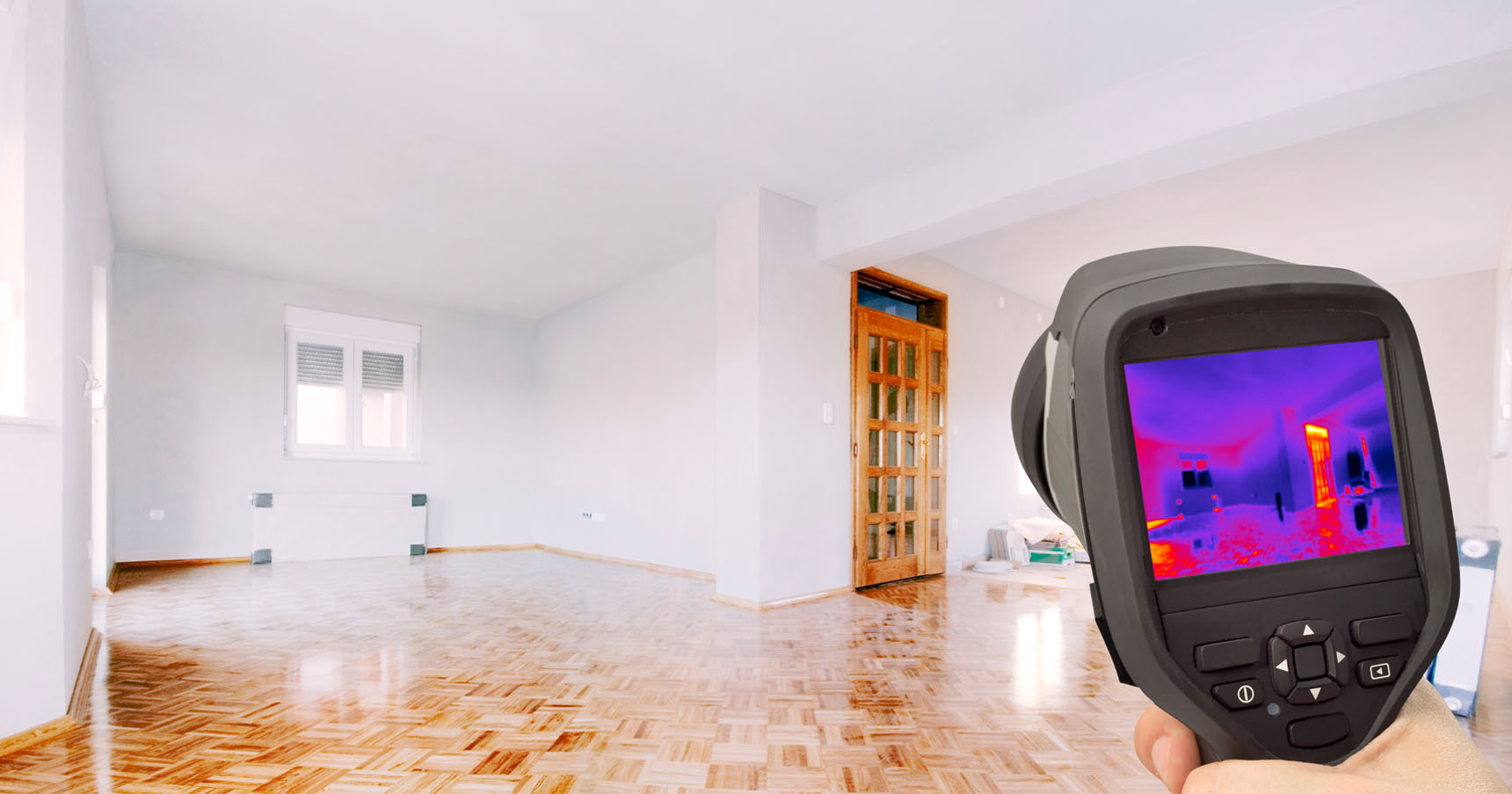
- Using thermal imaging to identify hidden dampness
- Pin-probe testing where necessary
- Inspecting HVAC systems
- Evaluating exterior seals
This process confirms the true source of moisture.
Guesswork often leads to repeated repairs.
Why Acting Quickly Matters
North Miami’s humidity slows natural drying.
If moisture remains untreated:
- Mold growth may begin within 24–48 hours
- Drywall softens
- Framing absorbs water
- Odor intensifies
- HVAC systems circulate damp air
Early detection limits restoration scope and reduces cost.
Small leaks stay manageable when identified promptly.
Preventive Maintenance Recommendations
Based on real-world observations, homeowners should:
- Inspect window and door seals annually
- Flush AC drain lines regularly
- Replace aging plumbing hoses
- Monitor indoor humidity levels
- Schedule annual moisture inspections
- Conduct post-storm attic checks
Preventive care reduces emergency situations.
Moisture issues in coastal environments are often predictable.
Why Local Coastal Experience Matters
Moisture detection in North Miami requires understanding:
- Wind-driven rain patterns
- Slab moisture migration
- Salt air corrosion
- High groundwater levels
- HVAC performance in humid climates
A restoration professional familiar with North Miami, Miami Shores, Biscayne Park, Aventura, Sunny Isles Beach, and nearby bayfront communities recognizes how these environmental pressures interact.
Tip Top Water and Fire Damage Restoration has performed moisture detection services throughout these neighborhoods, applying inspection strategies tailored specifically to South Florida’s conditions.
Local knowledge improves accuracy and reduces unnecessary demolition.
A Practical Perspective
Moisture problems in North Miami rarely appear dramatically.
They develop gradually through:
- Seal deterioration
- HVAC condensation
- Slab migration
- Plumbing drips
- Minor roof intrusion
By the time visible staining appears, hidden dampness may already be widespread.
Moisture detection is about early identification, precise testing, and corrective action before damage escalates.
In South Florida’s humid coastal climate, small vulnerabilities compound quickly.
With structured inspection and proactive maintenance, homeowners can protect structural integrity, indoor air quality, and long-term property value.
Moisture may be invisible at first.
But with the right detection process, it does not stay hidden for long.