
Moisture Detection in Surfside: A Practical Home Maintenance Guide
In Surfside, moisture is not an occasional issue. It’s a constant environmental factor.
Living near the ocean means beautiful views, steady breezes, and unfortunately, year-round humidity. Add hurricane season, wind-driven rain, salt-heavy air, and high water tables, and you have conditions where moisture intrusion is not rare — it’s expected.
For homeowners and property managers in Surfside, moisture detection isn’t just a reaction to visible water damage. It’s a preventive maintenance strategy.
Understanding how moisture behaves in this coastal environment helps you stay ahead of mold growth, structural deterioration, and expensive repairs.
Why Moisture Detection Matters in Surfside
Surfside properties face unique environmental pressures:
- High year-round humidity
- Ocean-facing exposure
- Wind-driven rain during storms
- Elevated groundwater levels
- Concrete slab construction
- Sealed high-rise building envelopes
Even without flooding, moisture can enter and linger inside materials.
The challenge is that moisture often hides before damage becomes visible.
Moisture detection identifies damp areas early — before they turn into mold remediation or structural repair projects.
How Moisture Enters Surfside Homes
Moisture intrusion in Surfside properties typically occurs through:
1. Roof Leaks
Tile roofs and flat roof sections can develop flashing failures. Wind-driven rain pushes water beneath roofing materials during storms.
Attic insulation often absorbs water long before ceiling stains appear.
2. Sliding Glass Doors and Windows
Oceanfront condos rely heavily on large glass panels. Over time, seals deteriorate.
Heavy wind and rain can force moisture into:
- Door tracks
- Window frames
- Exterior wall cavities
3. Plumbing Failures
Supply line leaks, washing machine hose bursts, and AC drain pan overflow are common causes of internal water damage.
4. Slab Foundation Moisture
Homes near the ocean may experience upward moisture migration from elevated groundwater.
Surface dryness does not guarantee slab dryness.
Why Surface Drying Is Misleading
In a dry climate, airflow may naturally dry minor moisture.
In Surfside, humidity slows evaporation significantly.
Moisture often remains inside:
- Drywall insulation
- Ceiling cavities
- Subflooring
- Baseboards
- HVAC duct insulation
By the time visible staining appears, moisture may have been present for days or weeks.
Moisture detection tools confirm actual dryness levels.
Visual inspection alone is not enough.
Attic Inspections: The Overlooked Area
Attics are one of the most common hidden moisture zones in Surfside homes.
Roof leaks and condensation can dampen:
- Roof sheathing
- Framing members
- Insulation
- Electrical wiring
Because attic spaces are rarely visited, mold can develop without obvious signs inside the living space.
Routine attic moisture inspections reduce long-term structural risk.
The Role of HVAC Systems
Air conditioning systems run nearly year-round in Surfside.
AC-related moisture problems often stem from:
- Clogged condensate drain lines
- Rusted drain pans
- Poorly insulated ductwork
- Air handler closet leaks
Condensation buildup inside ducts creates ideal conditions for microbial growth.
Moisture detection should include HVAC inspection to prevent hidden contamination.
Air duct cleaning may be necessary if moisture has spread through the system.
Wind-Driven Rain and Wall Cavities
Storm season brings sideways rain.
Wind-driven moisture can penetrate:
- Exterior wall penetrations
- Soffits
- Balcony connections
- Window flashing
Water may travel inside wall cavities before showing signs on interior surfaces.
Thermal imaging and moisture meters identify these concealed damp areas.
Early detection prevents larger repairs later.
Slab Foundations and Subfloor Moisture
Many Surfside properties sit on slab foundations.
When groundwater rises during heavy rain or king tide events, moisture can seep upward.
This may cause:
- Damp flooring
- Warped wood
- Loose tile
- Musty odors
Subfloor moisture testing is critical before reinstalling flooring after water events.
Without confirmation, moisture may remain trapped.
Why DIY Moisture Checks Fall Short
Touching drywall or checking for visible stains does not reveal internal moisture levels.
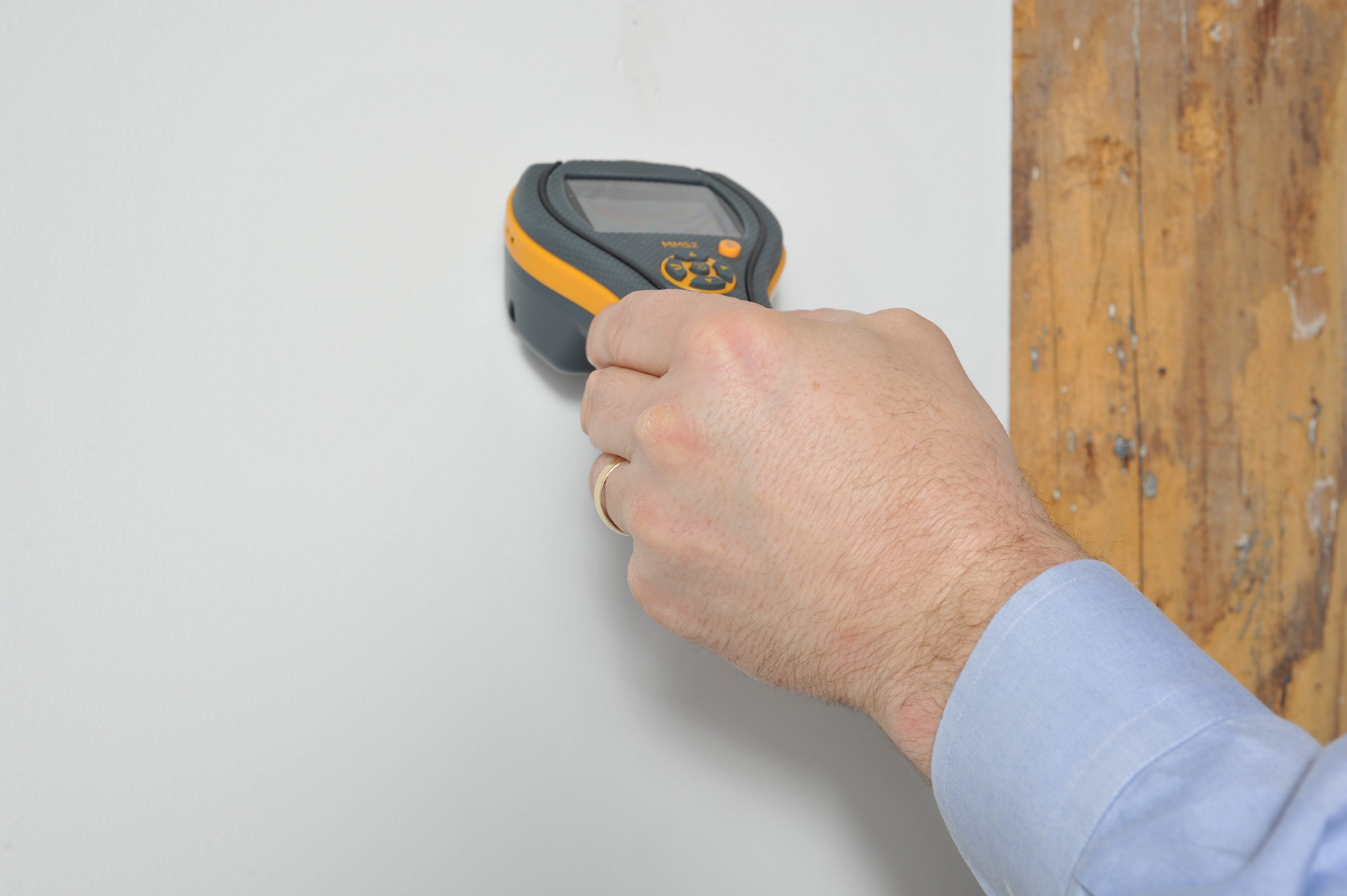
Professional moisture detection may involve:
- Pin moisture meters
- Non-invasive surface meters
- Thermal imaging cameras
- Hygrometers
- Slab probes
These tools measure actual moisture content inside materials.
In coastal environments like Surfside, accurate readings prevent unnecessary demolition and missed hidden damage.
The Mold Connection
Mold thrives in humid conditions.
In Surfside, mold can begin forming within 24–48 hours if materials remain damp.
Moisture detection reduces the likelihood of mold remediation by identifying wet areas early.
If moisture is addressed promptly:
- Mold growth is less likely
- Structural framing remains intact
- Odor issues are avoided
- Air quality remains stable
Early intervention always reduces scope.
Post-Storm Inspections Are Essential
After hurricanes or heavy summer storms, moisture detection should be part of routine property checks.
Even if there’s no visible flooding, wind-driven rain may have caused subtle intrusion.
Inspection after storms protects:
- Attic insulation
- Wall cavities
- Flooring systems
- HVAC components
Preventive inspections are far less disruptive than full restoration projects.
Long-Term Maintenance Strategies
Property owners in Surfside can reduce risk by:
- Inspecting roofs annually
- Maintaining window and sliding door seals
- Cleaning balcony drainage channels
- Servicing AC systems regularly
- Monitoring indoor humidity
- Addressing leaks immediately
Properties directly facing the ocean require additional vigilance.
Salt air and humidity never truly go away.
Why Local Experience Matters
Moisture detection in Surfside requires understanding:
- Coastal wind patterns
- Salt-heavy air impact
- High-rise construction systems
- Concrete slab behavior
- Hurricane-driven rain intrusion
Professionals familiar with Surfside, Bal Harbour, and North Miami Beach know where moisture typically hides in these structures.
Tip Top Water and Fire Damage Restoration approaches moisture detection with this local knowledge, focusing on long-term stabilization rather than surface-level fixes.
Experience allows faster identification of hidden risks.
A Practical, Preventive Approach
Moisture detection in Surfside is not about alarm. It’s about awareness.
If you notice:
- Musty odors
- Persistent humidity
- Minor ceiling staining
- Warped flooring
- AC performance changes
… schedule inspection early.
Moisture doesn’t resolve itself in a coastal climate.
Inspect thoroughly. Measure accurately. Dry completely.
In Surfside, proactive moisture management is the foundation of responsible home maintenance.
Handled early, moisture stays manageable. Ignored, it spreads.
In South Florida’s humid coastal environment, detection is protection.