
Mold Inspection in Bayfront Homes in North Miami Rental Properties: What to Watch For
Bayfront living in North Miami offers beautiful water views and attractive rental opportunities, making these homes highly desirable for both tenants and property investors. However, waterfront locations also bring ongoing moisture challenges that rental property owners and managers must take seriously. Humidity, storms, salt air exposure, and constant air-conditioning use create conditions where hidden moisture problems frequently develop, eventually leading to mold growth.
At QualityAir Mold Inspection & Testing, many inspections across North Miami rental properties begin with tenant complaints about musty odors or humidity concerns. In many cases, mold growth has already begun behind walls or inside ceilings long before anyone realizes there is a problem.
Understanding what to watch for in bayfront rental homes helps landlords, property managers, and investors prevent long-term property damage while protecting tenant comfort and maintaining rental value.
A Common Situation in North Miami Bayfront Rentals
A typical situation begins after a storm or prolonged rainy period. Wind-driven rain may enter through sliding doors or window seals, or minor roof vulnerabilities may allow water intrusion. Tenants might clean visible water, assuming everything is fine.
Weeks later, however, tenants begin noticing musty odors or discomfort in certain rooms. Paint may bubble slightly, or baseboards begin swelling. Some rooms feel damp despite the air conditioning running constantly.
When professional inspections occur, moisture is often found trapped inside walls or beneath flooring where mold growth has already started. Because rental tenants often assume maintenance will handle small issues, early warning signs may go unreported, allowing contamination to spread.
This situation is especially common in waterfront rental homes exposed to ocean air and frequent storms.
Why Bayfront Rental Homes Face Higher Mold Risks
Bayfront properties in North Miami experience environmental conditions that naturally increase moisture problems.
Common contributing factors include:
- Constant coastal humidity
- Storm-driven rain intrusion
- Salt air weakening building seals over time
- Condensation from HVAC systems running continuously
- Plumbing leaks between rental units or neighboring properties
- Balcony or sliding door seal failures
Waterfront buildings are exposed to stronger winds and weather patterns, which slowly deteriorate protective materials. Even small gaps allow moisture intrusion.
Because coastal humidity slows drying, materials remain damp longer than homeowners expect, increasing mold risk.
Why Mold Issues Matter More in Rental Properties
Mold problems in rental homes create challenges beyond property damage. Tenant satisfaction and lease stability are directly affected.
Common rental impacts include:
- Tenant complaints about odors or humidity
- Maintenance requests related to stains or visible mold
- Increased vacancy risks if issues persist
- Potential lease disputes or early tenant departures
- Higher turnover and repair costs
Rental properties with unresolved moisture problems may also receive negative reviews or develop reputations for poor living conditions, making future leasing more difficult.
Routine inspections help property owners maintain consistent rental income while protecting property value.
Early Warning Signs Property Owners Should Watch For
Rental properties often develop hidden mold problems before landlords or property managers become aware of issues. Recognizing early warning signs helps prevent larger damage.
Signs commonly include:
- Persistent musty odors reported by tenants
- Recurring mold spots near vents or ceilings
- Peeling or bubbling paint
- Swelling baseboards or cabinetry
- Humidity complaints despite air-conditioning use
- Water stains appearing weeks after storms
Tenants may not always report minor issues immediately, so periodic inspections are important.
Early investigation prevents mold contamination from spreading further.
Mold Inspection vs. Mold Testing in Rental Properties
Property owners sometimes struggle to determine whether inspection or testing is needed.
A professional mold inspection identifies moisture sources and determines whether mold growth exists or may be hidden. Inspectors examine areas vulnerable to moisture intrusion, including kitchens, bathrooms, HVAC systems, and exterior walls.
Mold testing or indoor air quality testing may be recommended when contamination is suspected but not visible or when documentation is needed for tenant concerns or property management records.
If contamination is confirmed, professional remediation contractors remove affected materials and correct moisture conditions.
QualityAir Mold Inspection & Testing focuses on inspection and testing so remediation addresses the true moisture source rather than temporary surface cleanup.
Testing helps protect both property owners and tenants by providing objective data.
Why DIY Cleanup Often Leads to Repeat Problems
Some landlords attempt to resolve mold complaints quickly by repainting walls or cleaning visible mold areas. While this may temporarily improve appearance, mold often returns because moisture remains hidden.
Another common mistake is assuming tenant cleaning habits cause mold. In reality, mold usually results from moisture intrusion or ventilation problems rather than tenant behavior.
Painting over damage or using household cleaners without fixing moisture sources rarely solves the issue long-term.
Professional inspection helps ensure root causes are addressed.
What Happens During a Professional Rental Property Inspection
Professional inspections follow a structured process designed to locate hidden moisture conditions.
Inspectors begin by reviewing tenant concerns, maintenance history, and past water intrusion events. Understanding building history helps identify likely moisture sources.
A visual inspection evaluates living spaces, HVAC systems, kitchens, bathrooms, attics, and exterior areas exposed to weather.
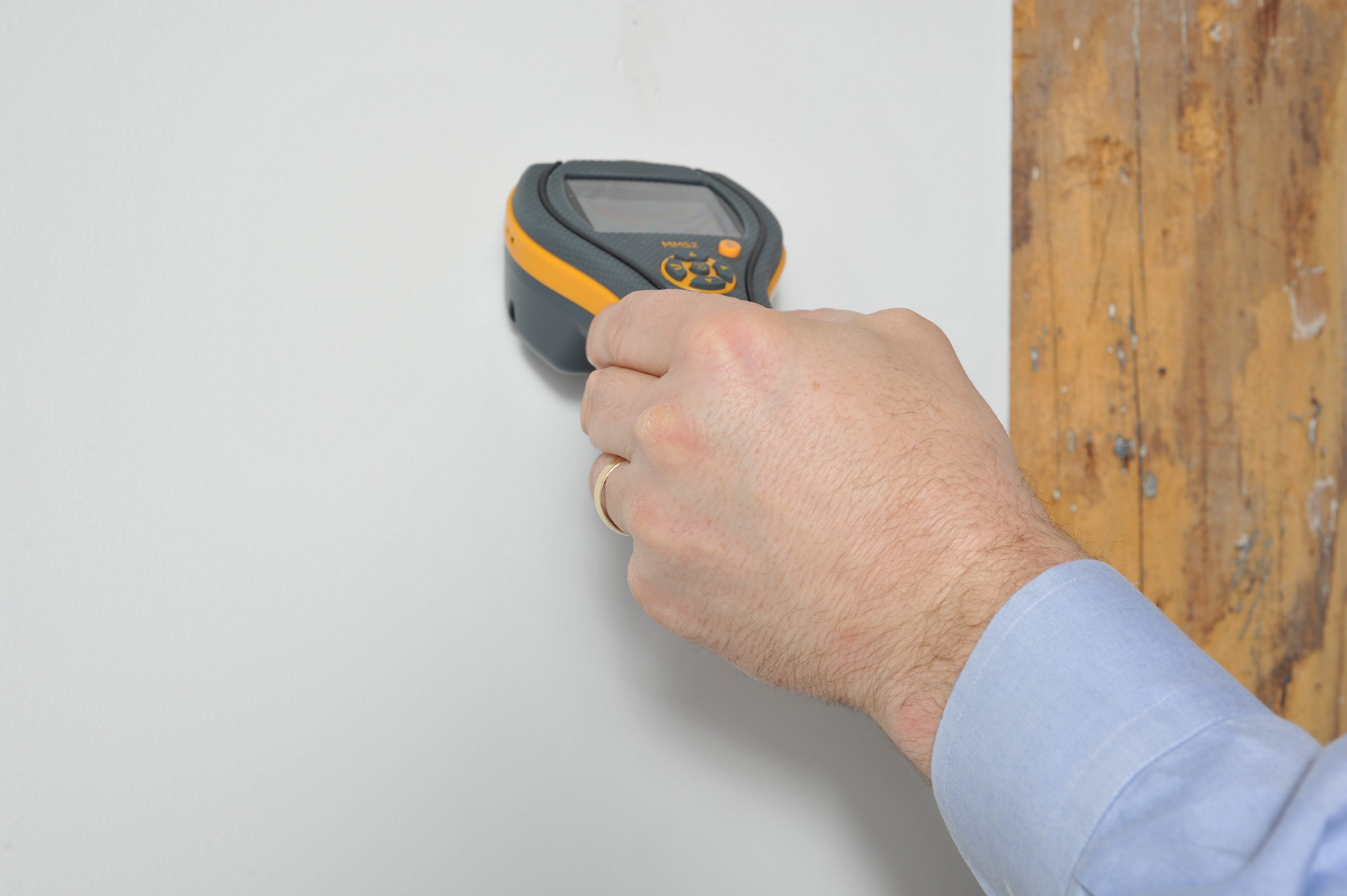
Moisture meters measure dampness behind walls or under flooring, while thermal imaging cameras help detect hidden moisture patterns without destructive testing.
If contamination is suspected, air or surface samples may confirm mold presence and help determine contamination extent.
Property owners receive a detailed report explaining findings and recommended next steps.
An Insight Many Rental Property Owners Don’t Expect
One surprising lesson from many North Miami inspections is that small, repeated moisture exposure often causes more damage than major flooding events.
Large water events usually prompt immediate professional cleanup, but minor leaks or condensation problems may continue unnoticed for months.
By the time tenants complain about odors or discomfort, mold contamination may already be widespread behind surfaces.
Routine inspections between tenant turnovers often prevent costly remediation later.
Prevention Tips for Bayfront Rental Homes
Preventing mold growth requires proactive maintenance strategies.
Air-conditioning systems should receive regular maintenance to ensure drain lines remain clear and humidity remains controlled.
Sliding doors, windows, and balcony seals should be inspected after storms to catch leaks early.
Bathrooms and kitchens should have proper ventilation to reduce humidity buildup.
Furniture placement against exterior walls should allow airflow to prevent condensation buildup.
Any reported leaks should be addressed quickly, and wet materials dried immediately.
Routine inspections between leases help confirm hidden moisture problems have not developed.
Why Local Inspection Experience Matters
Moisture behavior differs significantly in coastal communities compared to inland areas. Inspectors must understand how North Miami’s humidity, storm exposure, and building construction influence moisture movement.
Our experience inspecting waterfront homes and rental properties across North Miami allows us to quickly recognize moisture patterns specific to bayfront buildings and recommend practical prevention strategies.
Local expertise results in faster identification of risks and realistic solutions suited to rental properties.
Practical Guidance for North Miami Rental Property Owners
If tenants report musty odors, humidity concerns, or recurring mold issues, professional inspection helps prevent problems from worsening.
QualityAir Mold Inspection & Testing provides professional mold inspection and mold testing services while coordinating remediation when necessary.
Taking action early protects tenant comfort, prevents structural damage, and maintains long-term rental value in North Miami’s humid waterfront environment.
Routine inspections should be part of rental property maintenance, ensuring that hidden moisture problems are detected before they become expensive repairs and ongoing tenant concerns.