Mold Inspection in Coastal Neighborhoods Near Biscayne Bay During Humid Summer Months: What to Watch For
Homes and buildings near Biscayne Bay enjoy some of the best waterfront living in South Florida. Neighborhoods around North Miami, Biscayne Park, Miami Shores, Surfside, and nearby coastal communities offer beautiful views and cooling breezes off the water. However, those same environmental advantages also create one of the most common property problems in the region: mold growth during humid summer months.
Every year, homeowners across North Miami and surrounding bayfront areas begin noticing musty odors, damp walls, or unexplained allergy-like symptoms when summer humidity peaks. In many cases, mold has already started growing behind walls, inside air conditioning systems, or beneath flooring before anyone realizes there is an issue.
Understanding what to watch for — and why inspections are so important — can help homeowners prevent expensive damage and maintain healthy indoor environments.
What Mold Problems Look Like in Coastal Homes
Mold is a natural fungus that grows wherever moisture and organic materials exist. In coastal neighborhoods near Biscayne Bay, moisture is almost always present in some form.
Mold does not always appear as dramatic black patches on walls. More often, it develops quietly in hidden spaces such as:
• Behind drywall
• Inside insulation
• Under flooring
• In air ducts
• Around windows and doors
• In attics or crawl spaces
• Inside AC systems
By the time mold becomes visible, it has often been growing for weeks or months.
That’s why professional mold inspections become particularly important during the summer, when humidity and moisture levels reach their highest point.
Why Mold Issues Increase Near Biscayne Bay in Summer
Several local environmental factors combine to create mold-friendly conditions.
First, coastal humidity remains extremely high throughout summer. Even without rainfall, moist air constantly enters homes when doors open, windows leak, or ventilation systems pull outside air indoors.
Second, summer storms and heavy rains frequently cause roof leaks, window seepage, and minor flooding. Many homeowners don’t realize small water intrusions can remain trapped inside walls long after surfaces appear dry.
Third, air conditioning systems run almost nonstop during summer months. AC systems naturally create condensation, and if drain lines clog or units malfunction, water can accumulate inside ducts or air handlers.
Finally, salt-heavy coastal air accelerates corrosion and moisture retention in building materials, especially in older homes around North Miami and Miami Shores.
All of these factors combine to create ideal mold growth conditions.
Common Signs Homeowners Notice First
Many mold issues start with subtle warning signs rather than obvious damage. Homeowners should watch for:
• Persistent musty odors
• Rooms that feel damp or humid
• Paint bubbling or peeling
• Dark spots on walls or ceilings
• Condensation on windows or vents
• Allergy symptoms that worsen indoors
• AC systems struggling to cool rooms
• Warped baseboards or flooring
These signs often indicate moisture trapped somewhere in the structure, which is exactly where mold begins growing.
Hidden Mold Sources in Coastal Properties
Some mold sources are easy to miss during routine cleaning or maintenance.
Inspectors commonly find mold growth in:
• Behind kitchen or bathroom cabinets
• Under sinks with slow leaks
• Behind shower walls
• Around improperly sealed windows
• Beneath carpet after small water intrusions
• Inside air ducts
• In attic insulation
• Around AC air handlers and drain pans
Homes near Biscayne Bay often experience tiny salt-air moisture infiltration that homeowners never notice until mold inspections uncover it.
Why DIY Mold Removal Usually Forsakes the Real Problem
Many homeowners try cleaning visible mold using store-bought sprays or bleach. While this may temporarily improve appearance, it rarely solves the actual problem.
Mold roots penetrate porous materials like drywall and wood. Surface cleaning only removes visible staining while moisture continues feeding hidden growth.
In addition, without identifying the original moisture source, mold simply returns.
DIY attempts also risk spreading spores throughout the home, contaminating previously unaffected areas.
Professional inspections focus on locating moisture sources first, not just cleaning visible mold.
What Happens During a Professional Mold Inspection
Professional inspections in North Miami homes involve much more than visual checks.
Inspectors typically perform:
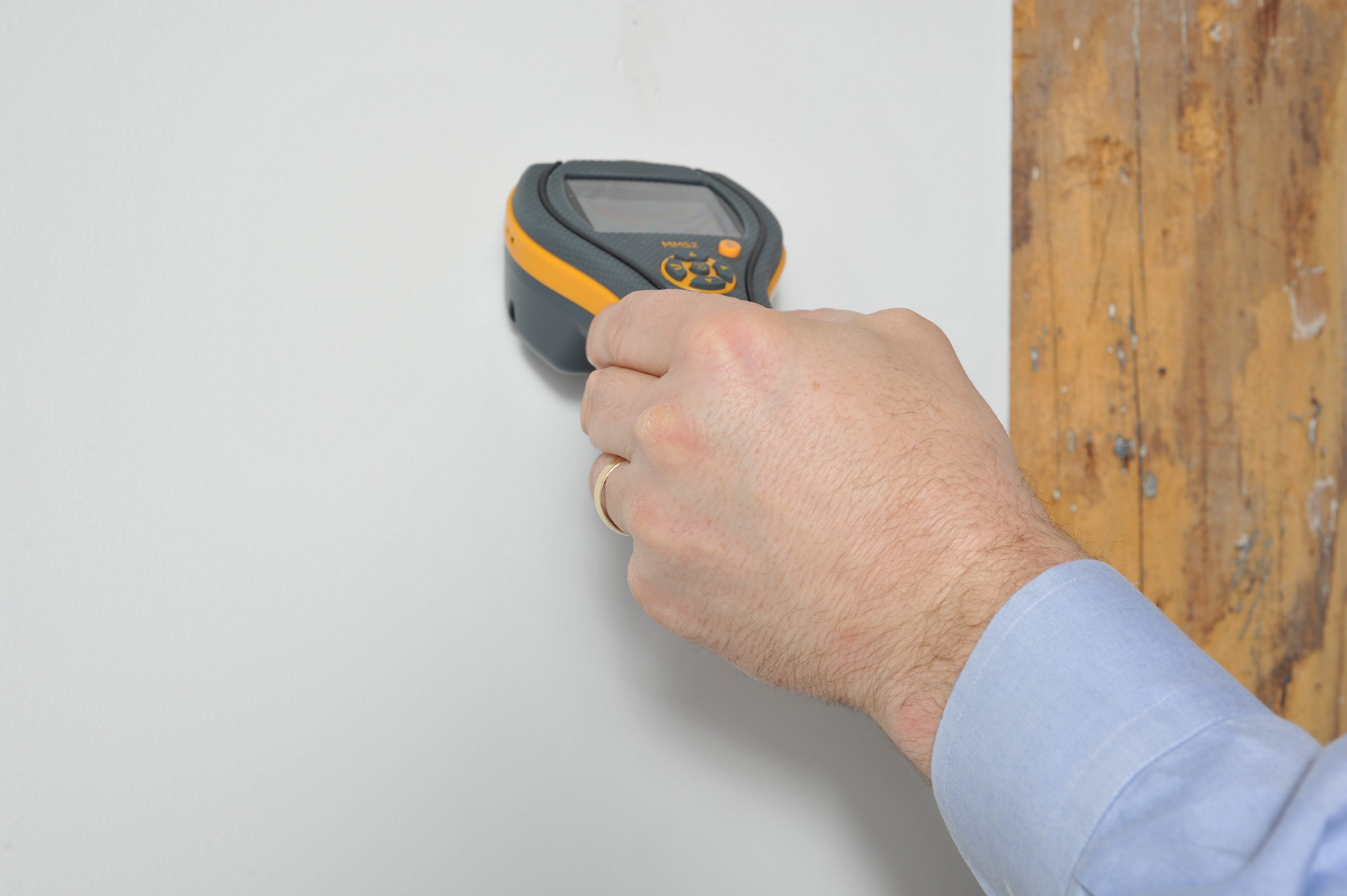
• Moisture meter scanning of walls and ceilings
• Thermal imaging to locate hidden damp areas
• HVAC system inspections
• Attic and crawl space evaluations
• Indoor air quality sampling
• Surface mold sampling if necessary
The goal is to identify both mold presence and the conditions allowing it to grow.
Companies like Tip Top Water and Fire Damage Restoration frequently find mold in areas homeowners never suspected, allowing early remediation before damage spreads.
Proper Mold Removal and Remediation Steps
Once mold is confirmed, proper remediation follows structured procedures.
Affected areas are isolated to prevent spore spread. Contaminated materials such as drywall or insulation may need removal. Surfaces are then cleaned using professional antimicrobial treatments.
Air filtration equipment removes airborne spores, and technicians correct underlying moisture problems to prevent regrowth.
Remediation is as much about moisture control as it is mold removal.
Flood Restoration and Water Damage Repair Concerns
Summer storms and king tides sometimes cause localized flooding in coastal neighborhoods. Even minor water intrusion can soak floors and walls.
If water is not extracted and dried quickly, mold begins developing within 24 to 48 hours.
Professional restoration includes:
• Rapid water extraction
• Structural drying
• Dehumidification
• Damage repair
• Mold prevention treatments
Timely restoration protects homes from long-term structural and air quality problems.
AC Systems, Air Ducts, and Mold Risks
Air conditioning systems are one of the most overlooked mold sources in South Florida homes.
Condensation buildup, clogged drain lines, or poorly insulated ducts can lead to mold growth inside air systems. Once mold grows there, spores spread throughout the house every time the AC runs.
Regular inspections and duct cleaning reduce this risk significantly, especially in humid coastal environments.
Preventing Mold in Biscayne Bay Area Homes
Homeowners can reduce mold risks by maintaining consistent indoor humidity levels and addressing moisture quickly.
Helpful prevention steps include:
• Maintaining AC systems regularly
• Fixing leaks immediately
• Ensuring proper ventilation
• Using dehumidifiers in humid rooms
• Keeping gutters and roofs maintained
• Sealing windows and doors properly
Prevention costs far less than remediation after mold spreads.
Why Local Coastal Experience Matters
Homes near Biscayne Bay face challenges different from inland properties. Salt air, constant humidity, and storm exposure require specialized inspection knowledge.
Local professionals understand building materials, ventilation patterns, and moisture behaviors unique to North Miami, Sunny Isles Beach, Aventura, and surrounding coastal neighborhoods.
Companies like Tip Top Water and Fire Damage Restoration bring hands-on regional experience that helps homeowners identify and solve mold issues before they escalate.
A Calm Next Step for Homeowners
If your home smells musty, feels humid, or shows signs of moisture during summer months, scheduling an inspection is a practical next step.
Early mold detection helps prevent larger structural repairs and improves indoor comfort. Coastal living comes with unique moisture challenges, but with proper inspections and timely action, homes can remain safe and comfortable year-round.
Understanding what to watch for gives homeowners the advantage before mold becomes a costly problem.