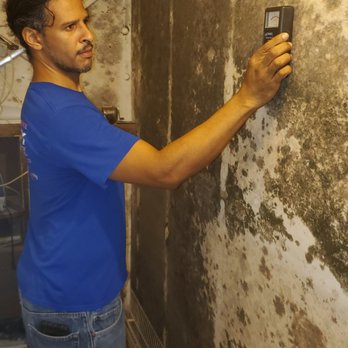
Mold Inspection in North Miami Following Indoor Flooding: What to Watch For
North Miami is no stranger to heavy rains, coastal storms, and occasional flooding. While flooding can be immediately disruptive, the real danger often comes afterward—hidden mold growth. Floodwaters saturate carpets, flooring, walls, and structural materials, creating the perfect environment for mold to thrive. If left unchecked, mold can damage property, compromise indoor air quality, and create long-term health risks.
For homeowners, landlords, and property managers in North Miami, understanding what to watch for after indoor flooding is critical. Drawing on real-world observations from local properties, this guide explores why mold develops post-flooding, the signs to detect, professional inspection techniques, and practical maintenance strategies.
Why Flooding Leads to Mold Growth
Mold spores are naturally present in most indoor and outdoor environments. However, they require moisture, organic material, and suitable temperatures to grow. Flooded North Miami homes meet all these conditions:
- Excess Moisture: Floodwater penetrates floors, walls, and furniture, saturating materials.
- High Humidity: North Miami’s coastal climate keeps indoor humidity levels elevated, creating long-lasting damp conditions.
- Warm Temperatures: Mold thrives in the warm Florida environment, especially in enclosed areas like attics and crawl spaces.
- Organic Material: Carpets, drywall, wood, and insulation provide nutrients for mold colonization.
Even after water is removed, residual dampness in hidden areas allows mold to develop within 24–48 hours. This underscores the importance of thorough mold inspection after any flooding event.
Common Areas for Mold Growth After Flooding
Certain parts of a North Miami home are particularly prone to post-flood mold issues:
1. Carpets and Flooring
- Carpets absorb water quickly and retain moisture under padding.
- Hardwood floors can warp, while subflooring may remain damp beneath surface repairs.
2. Walls and Drywall
- Baseboards, drywall panels, and wall cavities absorb water and can hide mold behind surfaces.
- Wallpaper and paint may peel or discolor as mold begins to grow.
3. Crawl Spaces and Attics
- Poorly ventilated crawl spaces and attics trap moisture, creating ideal conditions for mold.
- Floodwater that reaches foundation areas can infiltrate these spaces.
4. HVAC Systems and Ductwork
- Floodwater can seep into ducts or AC units, spreading mold spores throughout the home.
- Moisture in vents and coils promotes microbial growth if left unchecked.
5. Furniture and Porous Materials
- Upholstered furniture, mattresses, and curtains can retain moisture and harbor mold spores.
- These items often require specialized cleaning or replacement.
Signs That Mold May Be Present
Even after flooding appears resolved, several warning signs suggest that mold inspection is needed:
- Musty Odors: Persistent earthy or damp smells in rooms, closets, or hidden spaces.
- Visible Discoloration: Black, green, or white spots on walls, ceilings, or floors.
- Peeling or Bubbling Surfaces: Paint or wallpaper that shows irregularities.
- Warping or Soft Spots: Flooring or baseboards that feel spongy or warped.
- Allergic Reactions: Sneezing, coughing, or eye irritation among residents.
- Condensation or Dampness: Moisture on windows, walls, or HVAC components.
These indicators, particularly when combined, strongly suggest the need for professional mold inspection.
Professional Mold Inspection Techniques
Post-flood mold inspection is a detailed process that requires expertise and specialized tools. Professional mold inspectors in North Miami typically follow these steps:
Step 1: Initial Assessment
- Technicians evaluate the home’s flood history, water intrusion points, and areas of concern.
- Historical damage, AC problems, and previous mold issues are noted.
Step 2: Visual Inspection
- All accessible areas, including walls, ceilings, flooring, crawl spaces, and attics, are examined.
- Signs of water stains, warping, or discoloration are documented.
Step 3: Moisture Detection
- Moisture meters and hygrometers measure water content in building materials.
- Thermal imaging cameras identify cold or damp spots indicative of hidden moisture.
Step 4: Air and Surface Sampling
- Swab, tape, or bulk samples from surfaces identify mold types.
- Air sampling detects spores circulating within the home.
Step 5: HVAC and Ductwork Evaluation
- Ducts, vents, and AC components are inspected for contamination.
- Hidden mold in HVAC systems can spread spores to unaffected areas.
Step 6: Reporting and Recommendations
- Technicians provide a detailed report with findings, moisture measurements, mold types, and recommended remediation strategies.
- Photographs and documentation are included to guide restoration efforts.
Common Mistakes Homeowners Make
Homeowners often underestimate the speed at which mold spreads or attempt DIY solutions that fail to address underlying issues:
- Incomplete Drying: Flooded areas may appear dry on the surface, but residual moisture in walls or subflooring promotes mold growth.
- Ignoring Hidden Spaces: Crawl spaces, attics, and ducts are often overlooked during cleanup.
- Using Bleach Improperly: While bleach may remove surface mold, it does not penetrate porous materials to eliminate spores.
- Delaying Professional Inspection: Waiting too long allows mold colonies to expand and increases remediation complexity and cost.
Steps for Effective Post-Flood Mold Prevention
After water removal, homeowners can adopt strategies to minimize mold risk:
1. Thorough Drying
- Use industrial fans, air movers, and dehumidifiers to eliminate residual moisture.
- Remove wet carpeting, padding, and drywall if necessary.
2. HVAC System Cleaning
- Inspect and clean ducts, vents, and coils to remove spores and prevent redistribution.
- Ensure condensate lines and drainage systems are functioning correctly.
3. Surface Sanitization
- Clean hard surfaces with EPA-approved antimicrobial solutions.
- Treat porous materials as needed, replacing those heavily contaminated.
4. Humidity Control
- Maintain indoor relative humidity below 55%.
- Use dehumidifiers in bathrooms, kitchens, and flood-prone areas.
5. Regular Monitoring
- Periodic inspections after flooding or heavy rain help detect emerging mold growth.
- Moisture meters and humidity sensors provide early warning signs.
Lessons from Real North Miami Homes
Observations from local properties emphasize key points:
- Hidden Moisture is Often the Main Culprit: Mold frequently develops in walls, subflooring, and ductwork.
- Rapid Response is Essential: Acting within 24–48 hours after flooding prevents extensive mold colonization.
- Integrated Approach Works Best: Combining water removal, drying, HVAC cleaning, and mold inspection ensures long-term protection.
- Local Environmental Factors Matter: Coastal humidity, stormwater, and salt air accelerate mold growth, making professional guidance critical.
Benefits of Professional Mold Inspection
Professional mold inspections offer numerous advantages:
- Accurate identification of hidden mold and moisture issues
- Preventive measures that reduce structural and material damage
- Protection of indoor air quality for residents
- Guidance for safe remediation and repair
- Documentation for insurance claims or property resale
- Peace of mind in a high-humidity, flood-prone environment
Practical Recommendations for Homeowners
- Schedule a professional mold inspection after any indoor flooding event, no matter how minor.
- Monitor humidity levels and maintain proper ventilation in all rooms.
- Inspect attics, crawl spaces, and ducts for moisture accumulation.
- Remove or treat materials that retain water, including carpets, padding, and drywall.
- Maintain AC and HVAC systems, including cleaning coils, ducts, and condensate lines.
- Educate residents on the importance of early reporting of musty odors or water stains.
- Use moisture meters and sensors for ongoing monitoring of flood-prone areas.
By combining professional inspection with proactive maintenance, North Miami homeowners can prevent extensive mold growth, safeguard indoor air quality, and preserve property value after indoor flooding events.