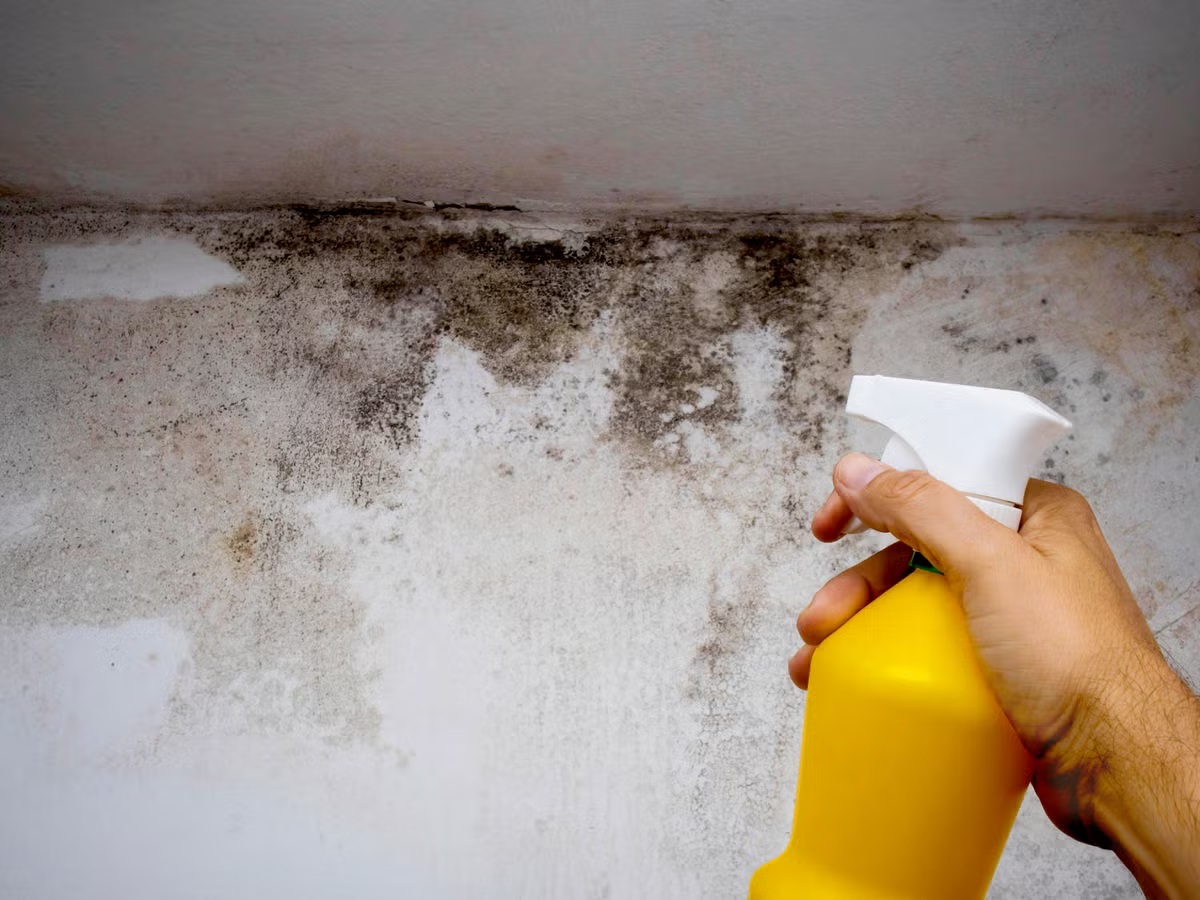
Mold Remediation in North Miami: A Practical Home Maintenance Guide
Mold is one of the most common property maintenance issues in North Miami. Warm temperatures, high humidity, frequent storms, and year-round air conditioning create conditions where moisture can accumulate in hidden areas of a home. When moisture remains trapped, mold can begin to develop on drywall, wood, insulation, and other building materials.
Understanding how mold forms, how remediation works, and what maintenance steps help prevent future problems allows homeowners, landlords, and property managers to protect their properties effectively.
What Mold Remediation Means
Mold remediation is the process of identifying mold growth, correcting the moisture source, removing contamination, and restoring affected areas. It involves more than simply cleaning visible mold. Effective remediation focuses on preventing mold from returning by addressing the underlying moisture problem.
Mold remediation may include:
- Moisture detection and inspection
- Containment of affected areas
- Removal of contaminated materials when necessary
- Cleaning and treatment of structural surfaces
- Drying and humidity control
Because mold often grows in hidden spaces, thorough inspection is essential.
Why Mold Is Common in North Miami
Homes in North Miami and nearby communities such as Miami Shores, Biscayne Park, and North Miami Beach face environmental conditions that make mold growth more likely.
High humidity levels
Moist air slows drying and allows damp materials to remain wet longer.
Frequent rain and storms
Roof leaks and water intrusion can introduce moisture into attics, walls, and ceilings.
Air conditioning systems
Condensation from air handlers and ducts is a common source of hidden moisture.
Limited ventilation in some homes
Tightly sealed buildings may trap humidity indoors.
Because these conditions are present throughout much of the year, mold prevention is an important part of routine home maintenance.
Early Signs Mold May Be Developing
Mold problems often begin with subtle warning signs. Recognizing these signs early can prevent larger repairs.
Property owners may notice:
- Musty or damp odors
- Dark spots on walls or ceilings
- Peeling paint or bubbling drywall
- Increased indoor humidity
- Condensation near vents or windows
Even small signs can indicate hidden moisture that should be inspected.
Hidden Areas Where Mold Often Develops
In many homes, mold grows in areas that are not visible during daily use.
Common hidden locations include:
- Inside wall cavities
- Beneath carpet or flooring
- Attic insulation and roof decking
- Inside air ducts and duct insulation
- Closets and storage spaces with limited airflow
In humid coastal climates, these areas may remain damp for extended periods, increasing the likelihood of mold growth.
Why Mold Problems Should Be Addressed Quickly
Mold tends to spread when moisture remains present. Over time, this can lead to:
- Damage to drywall and wood
- Persistent odors
- Reduced indoor air quality
- More extensive restoration work
Addressing mold early often reduces repair costs and prevents structural damage.
The Mold Remediation Process
Mold remediation typically follows a structured process designed to remove contamination and prevent recurrence.
1. Inspection and moisture detection
Technicians identify the moisture source and determine the extent of mold growth.
2. Containment of affected areas
Containment prevents spores from spreading during removal.
3. Removal of contaminated materials if necessary
Severely affected drywall, insulation, or carpet may need replacement.
4. Cleaning and treatment of structural surfaces
Specialized methods remove mold from framing and other materials.
5. Drying and humidity control
Air movers and dehumidifiers ensure materials return to safe moisture levels.
Professionals experienced in local conditions understand how humidity affects drying and remediation. Companies such as Tip Top Water and Fire Damage Restoration often emphasize moisture control as a key part of preventing mold from returning.
The Connection Between Mold and Water Damage
Mold growth often follows water damage, even when the affected area appears dry.
Common situations include:
- Roof leaks after storms
- Plumbing leaks inside walls
- AC condensate line clogs
- Minor flooding or standing water
Moisture trapped in insulation or drywall can allow mold to develop weeks after the original leak occurs.
Proper drying and repair are essential to prevent mold after water intrusion.
HVAC Systems and Mold Growth
Air conditioning systems play a major role in indoor moisture control. When HVAC systems are not properly maintained, they can contribute to mold problems.
Potential concerns include:
- Condensation forming inside ducts
- Mold growth in duct insulation
- Air handler leaks
- Reduced airflow leading to high humidity
Routine inspection and cleaning help maintain airflow and reduce moisture buildup.
Practical Maintenance Tips to Reduce Mold Risk
Routine maintenance is one of the most effective ways to prevent mold problems.
Helpful practices include:
- Scheduling annual HVAC inspections
- Flushing AC condensate lines regularly
- Monitoring indoor humidity levels
- Inspecting attics and closets periodically
- Repairing leaks promptly
- Ensuring proper ventilation in kitchens and bathrooms
These simple steps often prevent small moisture issues from becoming major remediation projects.
Lessons Learned from Local Homes
Real situations from homes in North Miami reveal several consistent patterns.
Humidity is often underestimated
Even without visible leaks, high humidity can affect indoor air and building materials.
Air handlers and ducts are common problem areas
Condensation and limited airflow frequently lead to hidden moisture.
Attics are often overlooked
Roof leaks may go unnoticed until mold develops in insulation.
Early inspections reduce repair costs
Identifying moisture problems early usually prevents larger restoration work.
These observations highlight the importance of routine inspection and preventive maintenance.
Why Local Experience Matters
Mold remediation in coastal South Florida requires an understanding of how humidity, temperature, and building materials interact. Homes in North Miami and surrounding areas experience environmental conditions that differ significantly from inland regions.
Professionals familiar with local conditions understand:
- How coastal humidity affects drying times
- Where mold commonly develops in local homes
- Which materials are most vulnerable to moisture
- How ventilation systems perform in humid environments
This experience helps ensure remediation is thorough and long-lasting.
A Practical Next Step for Property Owners
Mold problems are manageable when addressed early and correctly. If you notice musty odors, visible mold, or signs of moisture, having the property inspected helps identify the source before damage spreads further.
Working with experienced restoration professionals such as Tip Top Water and Fire Damage Restoration helps ensure that mold and underlying moisture issues are properly handled. With proper remediation and ongoing maintenance, homeowners in North Miami can protect their properties and maintain clean, comfortable indoor environments.