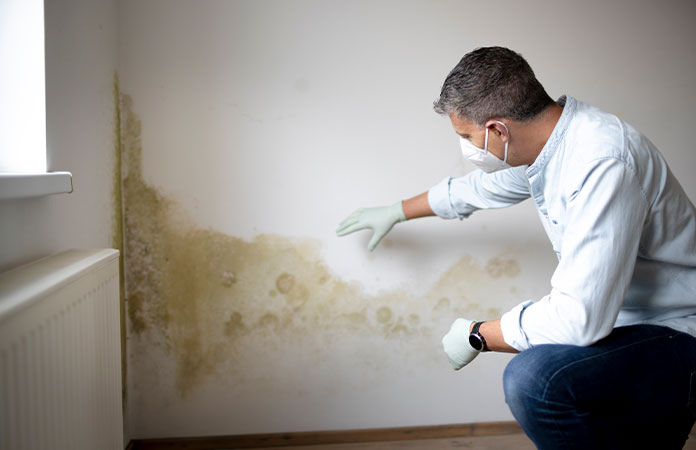
Mold Removal in Biscayne Park: A Practical Home Maintenance Guide
Biscayne Park, Florida, is a charming coastal community known for its tree-lined streets, waterfront access, and historic homes. While these properties offer residents a comfortable and scenic lifestyle, the area’s coastal climate introduces unique challenges, particularly when it comes to mold. High humidity, storm-related water intrusion, and AC condensation are common in Biscayne Park, creating ideal conditions for mold growth.
For homeowners, landlords, and property managers, understanding mold removal is essential for maintaining property integrity, ensuring occupant safety, and preserving indoor air quality. This practical guide provides a comprehensive overview of why mold removal is necessary, how the process is conducted, common challenges, and preventive strategies for long-term home maintenance.
Understanding Mold and Its Impact
Mold is a type of fungus that thrives in damp, humid environments. In Biscayne Park, waterfront properties and homes with poor ventilation are particularly susceptible. Mold can develop on a wide range of surfaces, including:
- Drywall and insulation
- Wooden framing and baseboards
- Carpets and upholstery
- HVAC ducts and vents
- Ceilings, walls, and attics
Left unchecked, mold can lead to:
- Structural damage – Mold can weaken wood, drywall, and other building materials.
- Indoor air quality issues – Mold spores circulating in the air can irritate respiratory systems.
- Property devaluation – Homes with visible or hidden mold may lose market value.
- Health concerns – Prolonged exposure can exacerbate allergies or respiratory irritation.
Professional mold removal ensures that both visible and hidden growth are addressed effectively.
Why Mold Removal Is Necessary in Biscayne Park
Several factors make mold removal a critical part of property maintenance in Biscayne Park:
1. High Coastal Humidity
Even when no water intrusion occurs, the area’s persistent humidity can create condensation on walls, ceilings, and windows, encouraging mold growth.
2. Storm and Flood Water Intrusion
Heavy rains, hurricanes, or localized flooding can introduce water into crawl spaces, basements, and lower floors, creating hidden damp areas conducive to mold.
3. AC Condensation Problems
Air conditioning units, especially older or poorly maintained ones, may produce excess condensation that collects in attics, ceilings, or behind walls.
4. Poor Ventilation
Bathrooms, kitchens, and attics with insufficient airflow trap moisture, allowing mold to develop behind walls or under flooring.
5. Older Construction Materials
Historic homes in Biscayne Park may use porous materials, such as wood or plaster, which absorb moisture and support mold growth over time.
Signs That Mold Removal Is Needed
Homeowners should monitor their properties for early indicators of mold to prevent widespread damage:
- Visible Mold Growth – Black, green, or white patches on walls, ceilings, or floors.
- Musty Odors – Lingering damp smells indicate hidden mold.
- Water Stains or Discoloration – Yellow, brown, or dark streaks often signal moisture intrusion.
- Warped or Soft Surfaces – Flooring, baseboards, or walls that feel soft may be affected.
- Allergic Reactions – Sneezing, coughing, or eye irritation in occupants may indicate airborne spores.
- Duct and HVAC Contamination – Mold in ductwork can spread spores throughout the home.
Prompt detection allows for timely mold removal and minimizes long-term risks.
The Mold Removal Process
Professional mold removal is a multi-step process designed to eliminate both visible and hidden mold, restore property integrity, and prevent recurrence:
1. Inspection and Assessment
Technicians evaluate the property, identifying affected areas, potential moisture sources, and the type of mold present. Special attention is given to attics, crawl spaces, ductwork, and behind walls.
2. Containment
Affected areas are sealed off to prevent mold spores from spreading during the removal process.
3. Moisture Control
Moisture meters and thermal imaging cameras detect hidden dampness. Addressing the source of water is critical to prevent recurrence.
4. Removal of Affected Materials
Porous materials like drywall, insulation, carpets, and flooring that cannot be fully cleaned are safely removed.
5. Cleaning and Sanitization
Non-porous surfaces are cleaned using antimicrobial agents to kill mold spores. HEPA vacuums and air scrubbers are employed to remove spores from the air.
6. HVAC and Duct Cleaning
Air ducts and HVAC systems are inspected and cleaned to prevent mold from spreading throughout the property.
7. Drying and Dehumidification
Industrial air movers and dehumidifiers ensure the property is thoroughly dried, reducing the risk of residual mold growth.
8. Final Inspection
A follow-up inspection confirms that mold removal is complete and indoor air quality is restored.
Real-World Observations in Biscayne Park
Experience in Biscayne Park homes highlights common scenarios for mold growth:
- Attics and Crawl Spaces – Hidden damp areas under roofs and floors are frequent sites of mold.
- HVAC Systems – Condensation in ducts can distribute spores to multiple rooms.
- Water-Damaged Flooring – Carpets and hardwood floors affected by past leaks often retain moisture, supporting mold growth.
- Rental Properties – Delayed tenant reporting of leaks or musty odors can exacerbate mold problems.
These observations emphasize the importance of regular inspections and timely remediation.
Challenges of DIY Mold Removal
Attempting mold removal without professional guidance often fails due to:
- Hidden mold behind walls, floors, or ceilings.
- Ineffective cleaning of porous surfaces, leaving spores behind.
- Potential health risks from airborne spores during cleaning.
- Risk of spreading mold to unaffected areas.
Professional services ensure complete removal, proper handling of contaminated materials, and adherence to safety standards.
Preventive Strategies for Long-Term Mold Control
After mold removal, maintaining a mold-free home requires proactive measures:
- Routine Inspections – Regularly inspect plumbing, roofs, AC units, and attics for moisture.
- Humidity Control – Use dehumidifiers and maintain indoor humidity below 60%.
- Proper Ventilation – Ensure bathrooms, kitchens, attics, and crawl spaces are well-ventilated.
- Prompt Water Damage Response – Address leaks, condensation, and flooding immediately.
- HVAC Maintenance – Clean and inspect AC units and ducts to prevent hidden mold.
- Tenant Education – In rental properties, encourage prompt reporting of water intrusion or musty odors.
These strategies reduce the risk of future mold growth and protect property value.
Local Expertise Matters
Mold removal in Biscayne Park requires knowledge of:
- Coastal humidity and flood patterns
- Multi-level and historic home construction
- Hidden moisture detection in attics, crawl spaces, and ducts
- Coordinating mold removal with water damage repair and preventive maintenance
Tip Top Water and Fire Damage Restoration has extensive experience serving Biscayne Park, North Miami, Sunny Isles Beach, Bal Harbour, Aventura, Miami Shores, and Surfside. Their local expertise ensures that mold removal is thorough, safe, and tailored to the unique challenges of coastal properties.
Moving Forward
Homeowners, landlords, and property managers in Biscayne Park should consider mold removal a crucial part of property maintenance:
- Schedule professional inspections and remediation as soon as signs of mold appear.
- Address water intrusion, leaks, and AC condensation promptly.
- Maintain HVAC systems and monitor indoor humidity.
- Implement preventive strategies to minimize future mold growth.
- Keep detailed records of inspections, removal, and maintenance activities.
By combining professional mold removal with ongoing maintenance, Biscayne Park properties remain healthy, structurally sound, and comfortable for all occupants.