
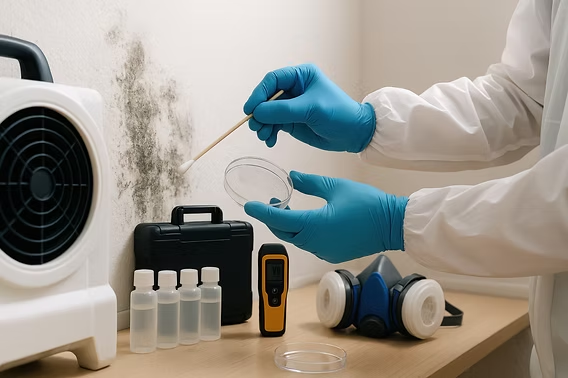
Mold Testing in Bayfront Homes in North Miami: Understanding the Risks Before They Grow
Bayfront living in North Miami offers scenic views, waterfront access, and cooling breezes from Biscayne Bay. However, coastal properties also face a hidden challenge that many homeowners underestimate: persistent moisture exposure that can quietly lead to mold growth inside homes. Because mold often develops out of sight, testing becomes one of the most effective ways to identify problems before they become costly.
For owners of bayfront homes, mold testing is not simply a response to visible contamination. It is a preventive measure that helps detect moisture conditions early, protecting indoor air quality and preventing structural damage. Understanding how mold testing works and why it is important allows North Miami residents to maintain safer, healthier homes.
Proactive inspections often prevent major remediation later.
Why Mold Risks Are Higher in Bayfront Homes
Homes located near Biscayne Bay experience constant exposure to humid coastal air. Even when homes are well sealed, moist outdoor air finds ways inside through ventilation systems, small building gaps, and daily entry and exit.
Bayfront properties also face increased exposure to wind-driven rain and storm surge events. During heavy storms, water can enter through roofs, windows, balconies, or exterior walls. Sometimes this intrusion is minor and goes unnoticed, yet moisture remains trapped inside structural materials.
Additionally, many North Miami homes rely on air conditioning year-round. AC systems produce condensation, and when drainage systems clog or insulation fails, moisture can leak into walls or ceilings. These hidden moisture conditions create ideal environments for mold growth.
Because these factors are ongoing, mold risks remain present even in well-maintained homes.
How Mold Problems Begin Indoors
Mold spores are naturally present in outdoor air and routinely enter homes. Problems occur only when moisture allows spores to grow on surfaces such as drywall, insulation, carpeting, or wood framing.
After water intrusion or prolonged humidity exposure, mold may begin growing inside concealed areas. Walls, attics, closets, and under-floor spaces often become contamination zones long before visible signs appear.
By the time stains or odors are noticed, mold may already have spread extensively. Mold testing helps determine whether contamination is developing even when growth is not visible.
Early detection prevents expensive restoration projects.
Situations When Mold Testing Is Necessary
Certain situations strongly suggest that mold testing should be scheduled in bayfront homes. Homeowners in North Miami commonly request testing after:
Roof leaks during storms
Flooding or plumbing failures
Air conditioning condensation issues
Long periods of indoor humidity
Water damage repairs completed without professional drying
Persistent musty odors indoors
Even when repairs appear successful, moisture may remain hidden behind walls or beneath flooring. Testing ensures problems were fully resolved before contamination spreads.
Testing also provides reassurance when homeowners suspect a problem but cannot identify visible mold.
Warning Signs That Suggest Hidden Mold Growth
Mold does not always show itself immediately. Homeowners often notice subtle warning signs before visible contamination appears.
Common indicators include:
Persistent musty or damp odors
Paint peeling or bubbling on walls
Dark discoloration on ceilings or corners
Condensation forming around vents or windows
Damp storage areas or closets
Unexplained indoor humidity
These signs usually mean moisture exists somewhere inside the structure. Mold testing helps confirm whether contamination has begun developing.
Ignoring early signs often leads to larger remediation efforts later.
Hidden Areas Mold Testing Often Reveals Problems
Professional mold testing frequently uncovers contamination in areas homeowners rarely inspect. Common hidden mold locations include:
Inside wall cavities after leaks
Attic insulation exposed to roof intrusion
Under flooring after flooding
Cabinets beneath sinks or appliances
Around air conditioning air handlers
Inside HVAC duct systems
Because these spaces remain concealed, mold may continue growing unnoticed for months. Testing helps locate contamination early and prevents further spread.
Identifying hidden mold protects indoor environments and structural materials.
Why DIY Mold Testing Often Gives Incomplete Answers
Some homeowners use home test kits to check for mold, but these kits often provide confusing or misleading results. Mold spores exist naturally in all environments, so simple tests may show spores even when no problem exists.
DIY methods also cannot identify moisture sources or hidden contamination. Homeowners may falsely assume their homes are safe while mold continues growing out of sight.
Professional mold testing combines inspection, moisture detection, and controlled sampling methods to provide accurate information about indoor conditions.
Accurate testing prevents unnecessary cleanup while ensuring real problems are addressed.
How Professional Mold Testing Works
Professional testing begins with a thorough property inspection. Specialists evaluate areas where moisture may be present and examine surfaces for visible mold.
Moisture meters and infrared imaging equipment help detect damp materials behind walls or beneath flooring. HVAC systems are inspected since condensation often contributes to mold development.
Air samples may be collected indoors and compared to outdoor samples to determine whether mold spores are elevated inside the home. Surface samples may also be taken from suspected areas.
The results help determine whether remediation is necessary or if moisture correction alone can prevent future growth.
What Happens If Mold Is Found
If mold testing confirms contamination, remediation may be recommended. Remediation involves isolating affected areas, safely removing contaminated materials, and cleaning surfaces with professional antimicrobial treatments.
Containment prevents spores from spreading during cleanup. After removal, drying equipment eliminates remaining moisture so mold cannot regrow.
Repairs then restore materials removed during remediation, returning the home to normal conditions.
Companies like Tip Top Water and Fire Damage Restoration regularly assist North Miami homeowners with both testing and remediation, helping properties recover safely after moisture problems occur.
Flooding and Storm Events Increase Mold Risks
Storm surge and heavy rainfall common in coastal South Florida often introduce moisture into bayfront homes. Even minor flooding can leave moisture trapped behind walls or under flooring.
When drying is incomplete, mold growth frequently appears weeks later. Testing after storm events ensures moisture problems have been fully resolved.
Prompt inspection after flooding helps avoid future remediation needs.
HVAC Systems and Mold Spread
Air conditioning systems can distribute mold spores throughout homes if contamination develops inside ductwork. Moisture accumulation around air handlers or ducts frequently contributes to mold growth.
Professional mold testing often includes evaluation of HVAC systems to determine whether cleaning or repairs are needed. Maintaining ventilation systems reduces moisture buildup and improves indoor air quality.
Proper AC maintenance supports mold prevention efforts.
Preventing Mold Problems in Bayfront Homes
Long-term prevention involves controlling moisture and maintaining home systems regularly. North Miami homeowners can reduce risks by:
Maintaining air conditioning equipment and drain lines
Repairing leaks immediately
Improving ventilation in kitchens and bathrooms
Using dehumidifiers during humid periods
Inspecting homes after storms
Scheduling periodic moisture inspections
Preventive maintenance helps avoid future contamination and restoration costs.
Small efforts today prevent major problems later.
Why Local Experience Matters in Mold Testing
Coastal mold behavior differs from inland environments. Professionals familiar with North Miami understand how humidity, storms, and building designs influence moisture problems in bayfront homes.
Local expertise allows inspectors to identify risks quickly and recommend solutions suited to coastal properties rather than generic approaches.
Tip Top Water and Fire Damage Restoration frequently assists homeowners throughout North Miami and nearby communities facing moisture and mold concerns unique to coastal living.
Local knowledge improves inspection accuracy and prevention strategies.
A Practical Path Forward for Homeowners
Mold testing provides clarity for homeowners concerned about hidden contamination. Rather than guessing, property owners receive reliable information about indoor conditions and necessary next steps.
Early testing prevents small moisture issues from becoming major remediation projects. With proper inspections and maintenance, bayfront homes in North Miami can remain comfortable and protected despite coastal climate challenges.
Understanding risks before they grow allows homeowners to maintain healthy indoor environments while enjoying waterfront living.