
Mold Testing in Sunny Isles Beach: Real-World Observations from Local Properties
Sunny Isles Beach is known for its luxury high-rise residences, waterfront living, and year-round coastal comfort. However, the same coastal environment that attracts homeowners also creates conditions where mold problems develop more frequently than many residents expect. High humidity, constant air conditioning use, and occasional storm-related moisture intrusion make mold testing an increasingly common need in local homes and condominiums.
Many property owners only consider mold testing after seeing visible growth, but real-world experience across Sunny Isles Beach shows that mold often develops long before obvious signs appear. Understanding when mold testing becomes necessary—and what professionals often discover during inspections—helps homeowners protect both their property and indoor environment.
Why Mold Problems Are Common in Sunny Isles Beach Properties
Living close to the ocean means homes constantly face moisture exposure. Even when buildings appear modern and well-maintained, humidity still enters through doors, windows, ventilation systems, and structural materials.
Common local factors contributing to mold growth include:
• Year-round coastal humidity
• Heavy seasonal rainstorms
• Storm-driven water intrusion
• AC systems running constantly
• Condensation inside walls and ceilings
• Multi-unit buildings sharing plumbing systems
• Vacation properties left closed for months
In many cases, mold growth begins in areas homeowners rarely see, allowing problems to grow unnoticed.
How Mold Begins Growing Indoors
Mold spores are naturally present in the environment. They become a problem when they land on damp materials and begin growing.
Inside homes, mold feeds on materials such as:
• Drywall and ceiling materials
• Wood framing and cabinetry
• Carpet and padding
• Insulation materials
• Dust and organic debris
Once moisture becomes trapped, mold colonies can begin forming within one or two days. Over time, growth spreads into hidden areas behind walls or beneath flooring.
By the time homeowners smell mold or see discoloration, contamination may already be widespread.
Real-World Situations That Lead to Mold Testing
In Sunny Isles Beach, mold testing is often requested after certain events or conditions occur. Many inspections follow situations homeowners initially considered minor.
Common real-world triggers include:
• AC condensation leaks discovered in ceilings or closets
• Plumbing leaks from neighboring condo units
• Roof leaks after heavy rain
• Balcony or window water intrusion
• Flooding from storms or drain backups
• Persistent musty odors indoors
• Visible mold appearing near vents or walls
• Allergy-like symptoms worsening inside the home
Even small leaks can allow moisture to remain hidden long enough for mold to develop.
Warning Signs Homeowners Frequently Miss
Many mold problems begin with subtle clues homeowners often overlook. Early signs may not seem serious but frequently indicate hidden moisture issues.
Common warning signs include:
• Musty or damp odors indoors
• Paint bubbling or peeling
• Warped flooring edges
• Mold near air vents or baseboards
• Condensation forming on windows
• Persistent indoor humidity
• Small stains appearing on walls or ceilings
Because mold often grows behind surfaces, these signs usually indicate deeper contamination.
Hidden Mold Locations Found During Inspections
Professional inspections in Sunny Isles Beach properties often reveal mold in unexpected places. These hidden areas rarely receive attention until problems become severe.
Common hidden mold locations include:
• Inside wall cavities after plumbing leaks
• Beneath flooring materials
• Behind kitchen and bathroom cabinets
• Around AC air handlers and ducts
• Inside attic insulation
• Storage closets with limited airflow
• Ceiling spaces affected by condensation
Because mold thrives in dark, damp spaces, specialized equipment is needed to locate contamination accurately.
Why Visual Inspection Alone Is Not Enough
Some homeowners assume that if mold is not visible, no problem exists. However, mold frequently grows where it cannot be seen.
Professional mold testing goes beyond surface checks. Inspection methods may include:
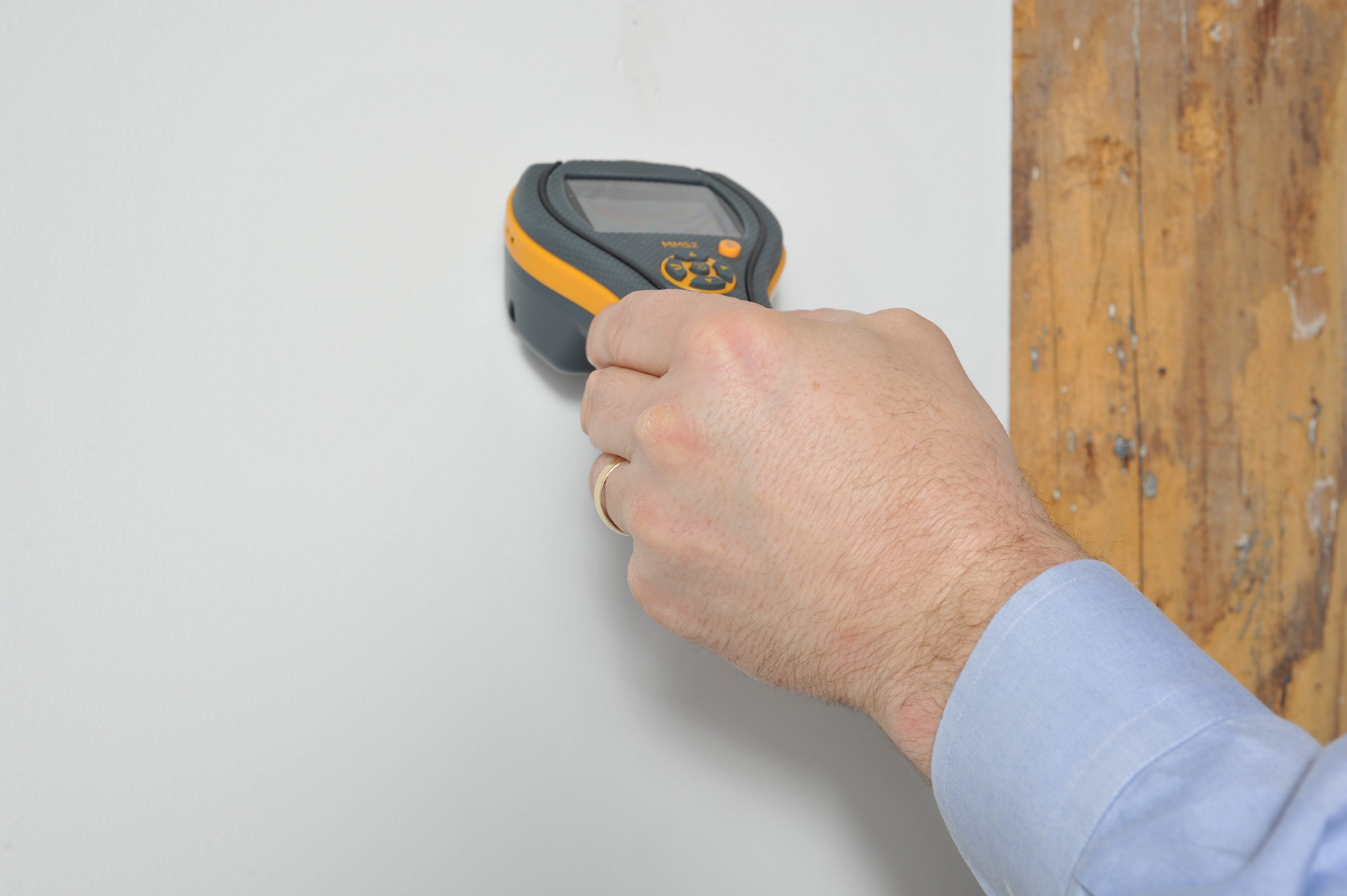
• Moisture meter testing of walls and floors
• Thermal imaging to locate hidden damp areas
• Air sampling to measure mold spore levels
• Surface sampling when contamination is visible
• Inspection of HVAC systems and ductwork
This approach helps determine whether mold exists and identifies moisture conditions allowing it to grow.
Professionals such as Tip Top Water and Fire Damage Restoration regularly conduct mold inspections across Sunny Isles Beach, helping homeowners understand both contamination levels and underlying moisture causes.
Why DIY Mold Testing Can Be Misleading
Home testing kits are sometimes used by property owners, but results often create confusion rather than clarity.
DIY kits may fall short because:
• Air samples vary naturally indoors
• Kits may show spores even in healthy homes
• Hidden mold remains undetected
• Moisture sources remain unidentified
• Results may be misinterpreted
Professional testing focuses on understanding conditions rather than simply detecting spores.
Air Conditioning Systems and Mold Growth
Air conditioning systems play a major role in both preventing and contributing to mold problems. AC systems remove humidity, but condensation leaks sometimes occur when maintenance is neglected.
Moisture from clogged drain lines or poorly insulated ducts can leak into ceilings or walls. Mold often grows near:
• AC closets
• Air vents and ducts
• Ceiling insulation around ducts
• Walls near mechanical systems
Regular AC maintenance helps prevent condensation-related mold growth.
Mold Testing During Property Transactions
Mold inspections are increasingly common during property sales in Sunny Isles Beach. Buyers often request testing to ensure hidden problems do not exist before purchasing.
Testing may uncover:
• Past flooding damage
• Hidden moisture behind renovations
• Mold growth in seldom-used spaces
• HVAC contamination
Sellers also benefit from inspections, as resolving issues early prevents delays or price negotiations.
Preventing Mold Problems After Testing
Once mold risks are identified, preventing recurrence requires moisture control and proper maintenance.
Helpful preventive steps include:
• Maintaining indoor humidity below 60 percent
• Servicing AC systems annually
• Fixing leaks immediately
• Ventilating bathrooms and kitchens properly
• Using dehumidifiers when necessary
• Inspecting windows and balconies for leaks
• Checking plumbing systems regularly
Routine care reduces conditions that allow mold to develop.
Why Local Experience Matters in Mold Testing
Coastal environments create moisture challenges different from inland areas. Professionals familiar with Sunny Isles Beach properties understand how humidity and construction styles influence mold growth.
Local specialists recognize common moisture patterns in high-rise condos and waterfront homes, allowing faster identification of hidden risks.
Tip Top Water and Fire Damage Restoration regularly works in Sunny Isles Beach and surrounding communities, providing inspection solutions suited to South Florida’s coastal climate.
Acting Early Prevents Expensive Repairs
Mold problems rarely disappear on their own. Small moisture issues often develop into larger contamination problems if ignored. Early testing allows homeowners to correct problems before extensive remediation becomes necessary.
Property owners who schedule inspections when warning signs appear protect both their indoor air quality and long-term property value. Professional mold testing provides clarity, ensuring moisture and contamination problems are resolved before they grow.
With proactive inspection and maintenance, Sunny Isles Beach residents can continue enjoying coastal living without hidden mold issues affecting their homes.