Practical Steps That Really Work: AC Moisture Repair Challenges in Sunny Isles Beach
Air conditioning systems are essential in Sunny Isles Beach, where warm temperatures and high humidity are part of everyday life. While AC systems are designed to cool indoor air and remove moisture, they can also become a source of water damage when drainage, airflow, or maintenance issues arise. Many property owners first notice small signs—musty odors, damp spots, or condensation near vents—without realizing how quickly these problems can grow.
Why AC Moisture Problems Are Common in Sunny Isles Beach
Homes in Sunny Isles Beach and nearby areas such as Aventura, Bal Harbour, and North Miami Beach face environmental conditions that make AC moisture problems more likely.
Several local factors contribute:
High humidity year-round
Air conditioning systems must remove large amounts of moisture from indoor air, producing condensation continuously.
Warm coastal temperatures
Heat increases the amount of moisture in the air and slows drying of damp materials.
Salt air exposure
Salt can affect metal components and drainage systems, increasing wear over time.
Frequent storms and heavy rainfall
Storm conditions often increase indoor humidity and place additional strain on HVAC systems.
Because of these conditions, even minor AC issues can quickly lead to moisture problems.
How AC Moisture Problems Typically Begin
Most AC moisture issues start with small mechanical or maintenance-related problems that go unnoticed.
Common causes include:
- Clogged condensate drain lines
- Rusted or damaged drain pans
- Dirty air filters reducing airflow
- Condensation forming on uninsulated ducts
- Air handler leaks
These issues often develop gradually, allowing moisture to spread before visible damage appears.
Early Warning Signs Property Owners Should Watch For
Recognizing early warning signs helps prevent larger repairs later.
Property owners may notice:
- Musty odors when the AC runs
- Water stains near vents or ceilings
- Damp areas around air handlers
- Increased indoor humidity
- Peeling paint or warped baseboards
These symptoms often indicate moisture that requires inspection.
Hidden Areas Where AC Moisture Causes Damage
One of the biggest challenges in AC moisture repair is locating hidden damp areas.
Common hidden problem locations include:
- Inside wall cavities near air handlers
- Beneath flooring in AC closets
- Inside duct insulation
- Attics where ducts run through warm air
- Ceiling cavities near vents
In humid coastal environments, moisture in these areas may remain trapped for extended periods if not properly dried.
AC Moisture Repair Challenges in Coastal Homes
AC moisture repair in Sunny Isles Beach often presents several unique challenges.
Humidity slows drying
Even after leaks are repaired, materials may remain damp longer than expected.
Condensation returns quickly
If airflow or insulation problems remain, condensation may reappear.
Hidden moisture spreads quietly
Water often travels along framing or ductwork before becoming visible.
Multiple contributing factors
Problems may involve both mechanical issues and structural moisture.
These challenges make thorough inspection and drying essential.
Practical Steps That Really Work
Experience from local properties shows that certain steps are especially effective in resolving AC moisture problems and preventing recurrence.
1. Clearing and Maintaining Condensate Drain Lines
Drain line clogs are one of the most common causes of AC leaks. Regular flushing helps prevent overflow and water damage.
2. Improving Airflow and Filter Maintenance
Restricted airflow increases condensation. Replacing filters regularly and ensuring vents remain unobstructed helps reduce moisture buildup.
3. Inspecting and Insulating Ductwork
Uninsulated ducts in attics or warm spaces often develop condensation. Proper insulation helps prevent moisture formation.
4. Using Dehumidification During Repairs
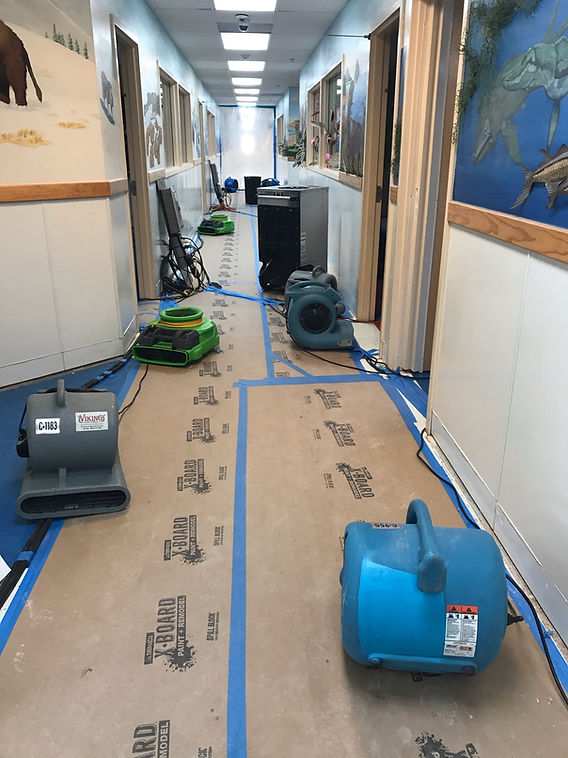
Dehumidifiers and air movers help remove moisture from walls, ceilings, and flooring after leaks occur. Proper drying is essential to prevent mold and odors.
Professionals experienced in coastal environments often monitor humidity and moisture levels throughout the drying process. Companies such as Tip Top Water and Fire Damage Restoration frequently use moisture detection to ensure hidden damp areas are addressed.
5. Inspecting AC Closets and Surrounding Areas
AC closets are common moisture hotspots. Regular inspection helps identify leaks early before damage spreads.
The Role of HVAC Systems in Indoor Air Quality
Moisture problems in AC systems can affect indoor air quality as well as structural materials.
Potential concerns include:
- Musty odors circulating through ducts
- Increased airborne particles
- Uneven humidity levels
- Reduced airflow efficiency
Cleaning ducts and maintaining HVAC components often improves both air quality and comfort.
Lessons Learned from Local Properties
Real situations from homes in Sunny Isles Beach reveal several consistent patterns.
Condensate line clogs are a leading cause of leaks
Routine maintenance often prevents these problems.
AC closets frequently show the first signs of moisture
Small leaks often begin in these areas.
Humidity prolongs drying times
Coastal conditions often require longer drying periods.
Early repairs reduce restoration costs
Homes inspected promptly typically required less extensive work.
These observations highlight the importance of routine inspections and preventive maintenance.
Preventing Future AC Moisture Problems
Property owners can reduce the likelihood of recurring moisture issues by following routine maintenance practices.
Helpful steps include:
- Scheduling annual HVAC inspections
- Flushing condensate lines periodically
- Replacing air filters regularly
- Monitoring indoor humidity levels
- Inspecting AC closets and surrounding areas
- Addressing small leaks immediately
Preventive maintenance often identifies problems before they become serious.
Why Local Experience Matters
AC moisture repair in coastal South Florida requires understanding how humidity, storms, and building materials interact. Homes in Sunny Isles Beach and nearby communities experience environmental conditions that differ significantly from inland areas.
Professionals familiar with local conditions understand:
- How coastal humidity affects drying times
- Where condensation commonly forms
- Which materials are most vulnerable
- How ventilation systems behave in humid climates
This knowledge helps ensure repairs are thorough and long-lasting.
A Practical Next Step for Property Owners
AC moisture problems may seem minor at first, but ignoring them can lead to mold growth, structural damage, and persistent odors. If you notice damp areas, condensation, or musty smells near vents or air handlers, having the system inspected early can prevent larger repairs later.
Working with experienced restoration professionals such as Tip Top Water and Fire Damage Restoration helps ensure that moisture sources are corrected, affected materials are properly dried, and indoor conditions are restored. With regular maintenance and timely repairs, homeowners in Sunny Isles Beach can keep their homes dry, comfortable, and protected year-round.