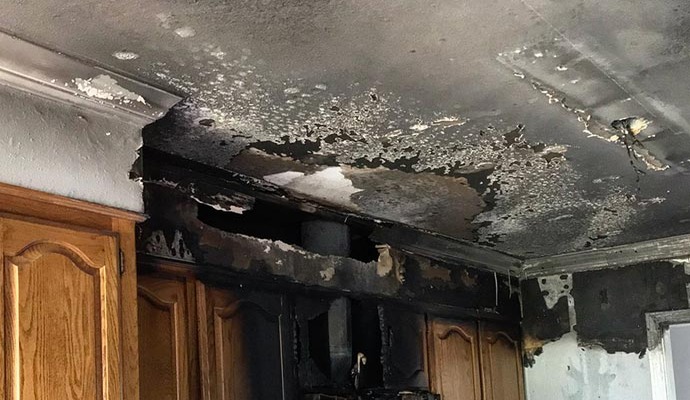
Practical Steps That Really Work: Smoke Damage Cleanup Challenges in Sunny Isles Beach
Sunny Isles Beach is known for its high-rise residences, oceanfront homes, and warm coastal climate. While water damage and humidity issues are common in this area, smoke damage is another problem that property owners occasionally face. Even small fires, overheated appliances, or electrical malfunctions can leave behind smoke residue that spreads far beyond the original source.
In coastal environments, smoke behaves differently than many homeowners expect. Humidity, air conditioning systems, and building design can cause soot and odor particles to travel through ductwork, settle into porous materials, and linger much longer than in drier regions. Understanding the real challenges involved in smoke damage cleanup helps homeowners take the right steps early and avoid long-term damage.
What Smoke Damage Really Is
Smoke damage is more than just visible soot on walls or ceilings. When materials burn, they release microscopic particles made of carbon, oils, and other residues. These particles settle onto surfaces and penetrate materials such as:
- Drywall and paint
- Carpets and upholstery
- Wood trim and cabinets
- Insulation and ceiling cavities
- Air ducts and HVAC components
In humid coastal air, these particles bond more strongly to surfaces, making cleanup more complex.
Why Smoke Damage Is Common in Sunny Isles Beach
Several local conditions make smoke damage more persistent in Sunny Isles Beach and nearby areas such as North Miami Beach, Aventura, and Bal Harbour.
Contributing factors include:
- High humidity that traps odors and soot
- Constant use of air conditioning
- Limited natural ventilation in high-rise buildings
- Shared duct systems in some properties
- Salt air that accelerates surface deterioration
When a smoke event occurs, HVAC systems can circulate particles throughout the property, allowing soot to reach rooms far from the fire source.
Common Signs Homeowners Notice
After a smoke incident, property owners often notice subtle signs first.
These may include:
- A persistent smoky or burnt odor
- Yellow or gray staining on ceilings or walls
- Residue around vents or light fixtures
- Odor trapped in closets or cabinets
- Discoloration near ceiling corners
Because smoke particles are extremely small, they can settle in areas that are not immediately visible.
Hidden or Overlooked Sources of Smoke Residue
One of the biggest challenges in smoke damage cleanup is that residue often spreads into hidden areas.
In Sunny Isles Beach homes and condos, soot frequently accumulates in:
- Air ducts and return vents
- Attic spaces
- Inside wall cavities
- Carpet padding and subflooring
- Behind cabinets and appliances
High humidity can cause these residues to cling tightly to materials, making them harder to remove if cleanup is delayed.
Why DIY Smoke Cleanup Usually Fails
Homeowners sometimes attempt to clean smoke damage using household cleaners or repainting surfaces. While this may improve appearance temporarily, odors often return.
DIY cleanup usually fails because:
- Soot penetrates porous materials
- Odor particles remain embedded
- Hidden areas are not treated
- HVAC systems continue circulating residue
Painting over smoke-stained walls without proper cleaning often traps odors beneath the surface, allowing them to reappear later.
Practical Steps That Really Work for Smoke Damage Cleanup
Addressing smoke damage effectively requires a structured approach. The following steps are commonly used to achieve lasting results:
- Immediate Ventilation
Increasing airflow and reducing humidity helps prevent residues from settling deeper into materials. - Surface Cleaning and Soot Removal
Removing loose soot early prevents staining and corrosion. - Odor Neutralization
Specialized treatments help eliminate odor particles embedded in materials. - HVAC and Duct Cleaning
Cleaning duct systems prevents odors from circulating. - Thorough Inspection of Hidden Areas
Attics, cabinets, and wall cavities are checked to ensure no contamination remains.
These steps are particularly important in coastal climates where humidity slows natural drying.
Professional Smoke Damage Inspection Explained
A thorough inspection determines how far smoke has spread and what materials are affected.
Professional evaluations typically include:
- Checking visible soot patterns
- Inspecting ceilings, walls, and flooring
- Examining HVAC systems and ductwork
- Assessing attic and ventilation areas
- Identifying materials that may require deep cleaning or replacement
In coastal environments, inspections often reveal that smoke particles have traveled farther than expected.
The Proper Smoke Damage Cleanup Process
A structured cleanup process helps restore affected areas safely and effectively.
Typical steps include:
- Removing loose soot and debris
- Cleaning affected surfaces using appropriate methods
- Treating materials to neutralize odors
- Cleaning HVAC systems when necessary
- Drying and ventilating the structure
- Verifying that odor and residue are eliminated
This method ensures smoke damage does not become a recurring problem.
Water Damage Often Follows Fire Incidents
Even small fires may involve water from extinguishing efforts. Water combined with soot creates a sticky residue that penetrates deeper into materials.
In Sunny Isles Beach properties, rapid drying is essential because warm temperatures and humidity can allow mold growth to begin within days if moisture remains.
Water removal and structural drying are often necessary parts of smoke damage restoration.
Air Ducts, AC Systems, and Smoke Spread
Air conditioning systems play a major role in how smoke spreads. During a fire event, ducts can pull smoke particles into the system and distribute them throughout the property.
Signs that ducts may be affected include:
- Smoke odor when the AC runs
- Residue near vents
- Uneven air quality between rooms
Routine duct cleaning and maintenance help reduce the risk of lingering smoke odors.
Preventing Future Smoke Damage Problems
Property owners can take several steps to reduce long-term damage after a smoke incident:
- Address smoke residue immediately
- Replace HVAC filters after smoke exposure
- Inspect attic and ventilation areas
- Ensure proper ventilation during cleanup
- Schedule periodic property inspections
These steps help prevent lingering odors and structural deterioration.
Why Local Experience Matters
Smoke damage behaves differently in coastal environments. Professionals familiar with Sunny Isles Beach, North Miami Beach, and Biscayne Park understand how humidity and building design influence smoke spread and cleanup methods.
Tip Top Water and Fire Damage Restoration has handled smoke damage cases throughout North Miami and surrounding coastal communities, where high humidity and HVAC systems often allow smoke particles to travel farther than expected.
A Practical, Calm Approach to Smoke Damage Recovery
Smoke damage can seem minor at first, but residues and odors often persist if not addressed properly. Acting quickly, inspecting hidden areas, and following proven cleanup steps helps restore indoor environments and prevent recurring problems.
In Sunny Isles Beach, controlling humidity and addressing contamination thoroughly are key to protecting both property value and indoor comfort after a smoke event.