
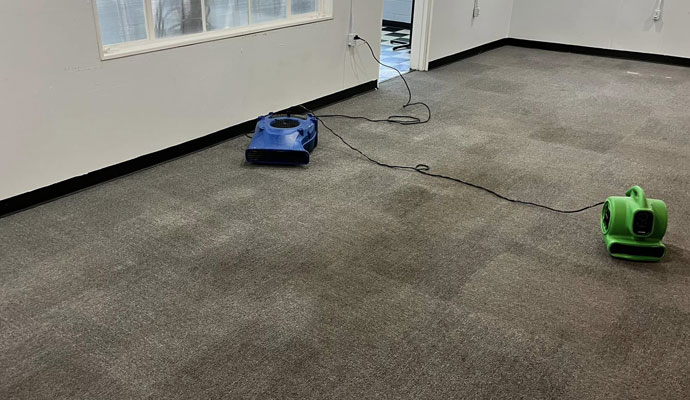
Preventing Future Problems: Carpet Cleaning After Water Damage in Miami Shores
Homes in Miami Shores benefit from tree-lined streets, proximity to Biscayne Bay, and a mix of historic and modern residential properties. However, like many North Miami communities, homes here face recurring challenges related to water intrusion and moisture. After storms, plumbing failures, or indoor flooding, carpets are often one of the most affected parts of the home.
Many homeowners assume once visible water is removed, the problem is solved. In reality, carpets can trap large amounts of moisture deep within padding and subfloors. If carpets are not properly cleaned and dried, they can become sources of odors, mold growth, and long-term indoor air quality issues.
Understanding the proper process of carpet cleaning after water damage helps homeowners prevent future problems and maintain healthier indoor conditions.
Understanding Carpet Damage After Water Intrusion
Carpets absorb water quickly, especially in homes affected by flooding, plumbing leaks, or storm intrusion. Even minor leaks can soak carpet fibers and underlying padding, allowing moisture to remain hidden.
When carpets stay damp for extended periods, several problems can develop:
• Mold growth beneath carpets
• Persistent musty odors
• Damage to subfloor materials
• Bacterial contamination
• Indoor humidity problems
In Miami Shores, where humidity levels remain high most of the year, wet carpets dry slowly without professional intervention. This makes fast and thorough cleaning essential.
Why Water Damage Happens Frequently in Miami Shores
Real-world restoration projects across Miami Shores show that water damage often results from everyday situations rather than major disasters.
Common causes include:
• Plumbing leaks under sinks or inside walls
• Appliance hose failures
• Roof leaks during heavy rainstorms
• Overflowing bathtubs or toilets
• AC condensation problems
• Poor exterior drainage during storms
Homes in nearby communities such as Biscayne Park, North Miami, and North Miami Beach experience similar challenges, particularly during hurricane season and periods of heavy rainfall.
Because many leaks occur gradually, carpets may stay damp for long periods before homeowners realize the damage.
Early Signs Carpet Damage Is Developing
Homeowners often overlook early signs of carpet moisture problems. Many assume dampness will dry on its own, but warning signs usually appear first.
Common early indicators include:
• Persistent damp or musty odors
• Carpet feeling slightly damp underfoot
• Discoloration or staining
• Increased indoor humidity
• Allergy-like symptoms indoors
• Warping baseboards near carpet edges
If these signs are ignored, moisture may spread beneath flooring and into walls.
Early action prevents larger restoration expenses later.
Hidden Moisture Beneath Carpets
One of the biggest challenges after water damage is moisture hidden beneath carpets. Even if surface fibers feel dry, underlying padding and subflooring may still contain water.
Professional inspections frequently reveal:
• Wet carpet padding remaining damp
• Moisture trapped under heavy furniture
• Damp subfloor materials
• Mold growth beneath carpet layers
This hidden moisture becomes a long-term source of odor and contamination if not properly addressed.
Removing or drying padding is often necessary to prevent recurring problems.
Why DIY Carpet Drying Often Fails
Many homeowners attempt to dry carpets using fans or household cleaning machines. While these methods help on the surface, they usually fail to eliminate deeper moisture.
DIY drying often misses:
• Water trapped beneath padding
• Moisture inside subfloor materials
• Hidden mold growth
• Bacteria left after flooding
Without professional equipment, carpets may feel dry while moisture remains underneath.
This often leads to recurring odors and mold problems weeks later.
Professional Carpet Cleaning and Water Extraction Process
Professional carpet restoration begins with removing as much water as possible from both carpets and padding.
The process typically includes:
• High-powered water extraction machines
• Removal or lifting of carpet padding when necessary
• Industrial air movers to promote drying
• Commercial dehumidifiers to reduce indoor humidity
• Moisture monitoring to confirm complete drying
Drying often takes several days, especially during humid weather conditions common in Miami Shores.
Complete drying is essential before carpets are reinstalled or repaired.
Sanitizing and Deodorizing After Water Damage
Water intrusion may introduce contaminants into carpets, especially after plumbing overflows or storm flooding.
Professional cleaning may include:
• Antimicrobial treatments to prevent mold growth
• Deep cleaning to remove contaminants
• Odor neutralization treatments
• Air filtration during restoration
Sanitizing ensures carpets remain safe and comfortable after restoration work is completed.
Proper cleaning also prevents lingering smells from returning.
Mold Risks Associated with Wet Carpets
In North Miami communities, mold can begin growing within one or two days when moisture remains present. Carpets provide an ideal environment for mold growth if not properly dried.
Mold beneath carpets may spread into walls and ventilation systems, affecting indoor air quality.
Professional cleaning and drying help prevent mold remediation from becoming necessary later.
Preventing mold growth is one of the main reasons immediate carpet restoration is important.
Air Conditioning Systems and Carpet Moisture
Air conditioning systems play an important role in moisture control, but they can also contribute to carpet problems if not maintained.
Common AC-related issues include:
• Condensation leaks near carpeted areas
• Clogged drain lines causing moisture buildup
• Humidity pockets forming in poorly ventilated rooms
Once carpets remain damp, AC airflow can spread odors throughout the home.
Routine AC maintenance helps prevent recurring moisture problems.
Preventing Future Carpet Damage
Homeowners in Miami Shores can reduce future risks by taking preventive measures and monitoring potential moisture sources.
Helpful steps include:
• Fixing plumbing leaks immediately
• Maintaining AC systems regularly
• Inspecting roofs and windows after storms
• Cleaning gutters and exterior drainage
• Monitoring carpets for damp spots
• Scheduling periodic moisture inspections
Preventive care protects flooring investments and reduces restoration costs.
Why Local Experience Matters
Water damage restoration in Miami Shores requires understanding how coastal humidity and storms affect residential properties. Professionals familiar with North Miami conditions understand moisture patterns unique to the region.
Local restoration providers such as Tip Top Water and Fire Damage Restoration regularly handle carpet and water damage restoration projects throughout Miami Shores and neighboring communities. Their experience allows them to tailor drying and cleaning solutions to local climate conditions rather than using generic approaches.
Local expertise helps ensure problems are fully resolved.
A Practical Next Step for Homeowners
If your home experiences flooding, plumbing leaks, or signs of carpet moisture, scheduling professional cleaning and drying early can prevent major repairs later.
Carpet cleaning after water damage is not only about appearance — it protects indoor air quality and prevents structural moisture problems from developing.
In Miami Shores, proactive moisture management helps homeowners maintain comfortable, healthy homes despite the ongoing challenges of coastal weather and humidity.