
Preventing Future Problems: Fire Damage Restoration in Bal Harbour
Fire incidents are among the most stressful situations a homeowner or property manager can experience. In coastal communities like Bal Harbour, where luxury residences, condos, and waterfront properties dominate the landscape, fire damage can be especially disruptive. Beyond the immediate destruction, lingering smoke damage, water from firefighting efforts, and hidden structural issues can create long-term problems if restoration is not handled properly.
Understanding how fire damage restoration works — and how to prevent future complications — helps Bal Harbour homeowners protect their investments and restore their homes safely and efficiently.
Understanding Fire Damage in Coastal Homes
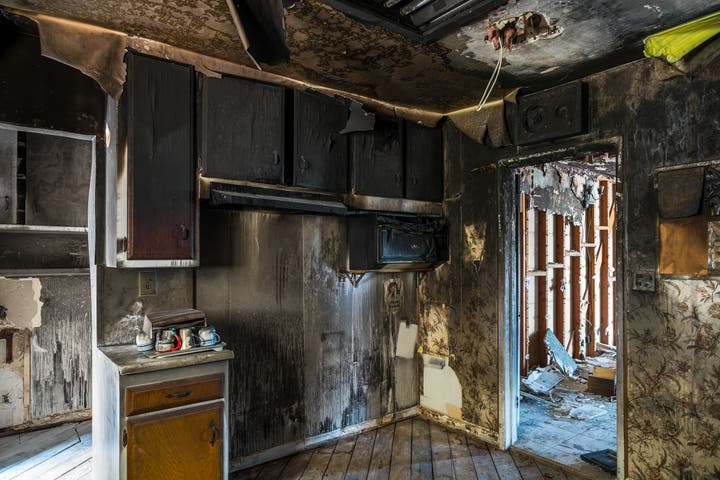
Fire damage goes far beyond burned materials. Even smaller fires can create widespread problems throughout a home or building. Flames may damage only part of a structure, but smoke, soot, and water used to extinguish the fire often spread throughout the property.
In Bal Harbour and nearby coastal communities, restoration professionals frequently find secondary damage affecting rooms untouched by flames. Smoke travels through vents and wall cavities, leaving behind odors and corrosive residue that continue damaging surfaces if not properly cleaned.
Additionally, water used to put out the fire can soak into flooring, drywall, and insulation, creating hidden moisture conditions that may later lead to mold growth.
Why Fire Restoration Needs Special Attention in Bal Harbour
Properties in Bal Harbour and surrounding areas like Surfside, Sunny Isles Beach, North Miami Beach, and Aventura face unique restoration challenges due to coastal humidity.
High moisture levels in the air slow drying times after a fire. When wet materials are not dried quickly and thoroughly, moisture remains trapped behind walls and under floors. This can lead to mold growth or structural weakening weeks after restoration seems complete.
Salt air exposure also accelerates corrosion. Smoke and soot residues combine with moisture and salt, causing faster deterioration of metal fixtures, electrical components, and appliances if cleanup is delayed.
Because of these environmental factors, restoration must be performed carefully and promptly.
Common Problems Homeowners Notice After a Fire
Many homeowners are surprised by how long fire-related problems can persist. Even after visible repairs, lingering effects may include:
Persistent smoke odors in rooms or closets
Discoloration on walls and ceilings
Soot residue appearing on surfaces weeks later
Warped flooring from water exposure
Peeling paint or bubbling drywall
Malfunctioning electrical fixtures
Increased indoor humidity
These signs indicate deeper contamination or moisture that still needs professional attention.
Hidden Damage Often Missed After Fire Incidents
Fire damage frequently extends beyond visible burn areas. Restoration inspections in Bal Harbour homes often uncover:
Smoke residue inside HVAC systems
Water trapped behind walls or ceilings
Damaged insulation holding moisture
Soot inside ductwork spreading odors
Weakening of structural materials
Electrical wiring compromised by heat
Without proper inspection and restoration, these hidden issues can create future safety risks and expensive repair needs.
Why DIY Fire Cleanup Usually Causes More Problems
After a fire, some homeowners attempt to clean soot or dry wet areas themselves. While this may seem cost-effective, it often spreads contamination rather than solving the problem.
Soot particles are acidic and easily smear across surfaces when improperly cleaned, causing permanent staining. Household cleaning tools cannot safely remove smoke contamination embedded in porous materials.
Water damage also requires professional drying equipment to prevent mold growth. Surface drying alone leaves moisture trapped inside materials.
Without professional containment and cleaning procedures, odors and damage often return.
Professional Fire Damage Inspection and Assessment
Professional restoration begins with a comprehensive property evaluation. Inspectors assess fire damage, smoke spread, and water impact throughout the structure.
Moisture detection tools reveal hidden wet areas behind walls and floors. HVAC systems are checked to determine whether smoke contamination has entered ductwork.
This step ensures the restoration plan addresses all affected areas, not just visible damage.
Proper Fire Damage Cleanup and Restoration Process
Fire restoration involves several coordinated steps designed to return the home to safe conditions.
First, affected areas are secured and debris is removed. Damaged materials that cannot be restored are carefully disposed of.
Next, soot and smoke residues are professionally cleaned from walls, ceilings, and surfaces using specialized techniques and cleaning agents.
Simultaneously, drying equipment removes moisture introduced during firefighting efforts. Dehumidifiers and air movers help restore proper humidity levels inside the home.
Once cleaning and drying are complete, restoration repairs begin, including replacing drywall, repainting, repairing flooring, and restoring structural components.
Companies like Tip Top Water and Fire Damage Restoration frequently assist homeowners throughout this process, helping properties move from damage to recovery with minimal disruption.
HVAC Systems and Smoke Damage
Air conditioning systems often distribute smoke throughout homes during a fire. Contaminated ducts continue releasing odors long after visible damage is repaired.
Professional duct cleaning and HVAC inspection ensure smoke residues are removed, improving indoor air quality and preventing lingering odors.
Addressing HVAC contamination is essential for complete restoration.
Preventing Future Problems After Fire Restoration
Preventing future issues requires more than repairing visible damage. Homeowners in Bal Harbour can reduce long-term risks by ensuring moisture is fully removed and contaminated materials are properly restored.
Key prevention steps include:
Scheduling thorough post-restoration inspections
Maintaining HVAC systems and duct cleanliness
Monitoring humidity levels after repairs
Replacing damaged insulation and materials properly
Improving ventilation in enclosed areas
Addressing both fire and water damage completely helps prevent mold growth and structural issues later.
Why Local Restoration Experience Matters
Fire restoration in coastal South Florida requires understanding local construction styles, humidity patterns, and environmental challenges.
Professionals familiar with Bal Harbour properties recognize recurring moisture and smoke damage patterns common in waterfront homes and high-rise buildings.
Local experience ensures restoration plans are practical, efficient, and tailored to coastal conditions.
Tip Top Water and Fire Damage Restoration has worked with many homeowners across North Miami and surrounding communities facing complex fire and water damage scenarios.
A Practical Next Step for Property Owners
Experiencing a fire is overwhelming, but proper restoration helps homes recover safely. Acting quickly and working with experienced restoration professionals prevents long-term complications and protects property value.
If your home or property has experienced fire damage, addressing smoke contamination, water intrusion, and hidden structural impacts early can prevent future repair costs and ensure safe living conditions.
With the right restoration approach, Bal Harbour homeowners can move forward confidently, knowing their homes are fully restored and protected against future problems.