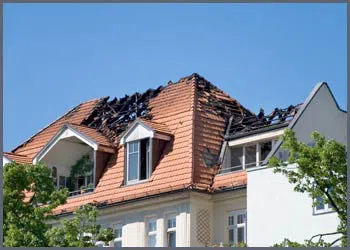
Preventing Future Problems: Fire Damage Restoration in Miami Shores
Miami Shores, a picturesque coastal community in North Miami-Dade County, is renowned for its charming homes, waterfront views, and vibrant residential neighborhoods. While living in this area offers an exceptional lifestyle, property owners face unique challenges due to environmental factors, older construction, and the risk of fire incidents. Fire damage can occur suddenly, leaving homeowners, landlords, and property managers with a range of issues, from structural destruction to compromised indoor air quality.
Fire damage restoration is not just about repairing visible damage; it is a comprehensive process that includes assessment, debris removal, cleaning, structural repair, and preventive measures to protect against future incidents. Understanding the risks and restoration steps is essential for safeguarding homes, preserving property value, and ensuring the safety of occupants.
Why Fire Damage Restoration is Critical in Miami Shores
Fires, even small ones, can cause extensive damage to homes if not addressed properly. Immediate and professional restoration is necessary to:
1. Preserve Structural Integrity
- High heat can weaken wooden beams, joists, and flooring.
- Smoke and soot residues can corrode metal fixtures and damage drywall.
- Rapid intervention minimizes long-term structural damage and reduces costly reconstruction.
2. Prevent Secondary Damage
- Fire is often accompanied by water damage from firefighting efforts.
- Moisture left behind can lead to mold growth, rot, and deterioration of building materials.
- Professional restoration addresses both fire and water-related damage simultaneously.
3. Protect Indoor Air Quality
- Smoke residues, soot, and particulate matter can linger long after a fire.
- Contaminated HVAC systems and ductwork can spread odors and pollutants throughout the home.
- Thorough cleaning and air duct sanitization prevent lingering odors and health hazards.
4. Preserve Personal Property
- Furniture, electronics, and clothing may be damaged by smoke or heat.
- Timely restoration and cleaning reduce the extent of loss and help salvage belongings.
5. Maintain Property Value
- Fire-damaged homes that are not properly restored can experience reduced market value.
- Effective restoration preserves both the physical structure and aesthetic appeal of the home.
Common Causes of Fire in Miami Shores
Understanding the root causes of fire incidents can help homeowners and property managers mitigate risks:
1. Electrical Issues
- Faulty wiring, overloaded circuits, or outdated electrical panels are common sources of residential fires.
- Older homes may have electrical systems that cannot support modern appliances safely.
2. Cooking Accidents
- Unattended stoves, ovens, and grills are leading causes of house fires.
- Grease fires or flammable materials near cooking areas can escalate quickly.
3. Heating and AC Systems
- Malfunctioning air conditioning or heating units can overheat and ignite nearby combustible materials.
- Accumulated dust or lint in vents and ducts may increase fire risk.
4. Smoking Materials
- Cigarettes, cigars, or other smoking items left unattended pose a fire hazard.
- Fire-resistant disposal of smoking materials is essential, especially in multi-unit buildings.
5. Candles and Decorative Items
- Candles, decorative lamps, and holiday lighting may ignite flammable materials if not monitored carefully.
6. Natural Causes and Environmental Factors
- Lightning strikes, electrical storms, and proximity to open flames during outdoor activities can trigger fires.
- Coastal winds may accelerate fire spread once a spark occurs.
Immediate Steps After Fire Damage
Quick action after a fire incident significantly improves restoration outcomes:
- Ensure Safety:
- Evacuate the property and ensure all occupants are safe.
- Avoid entering areas where structural damage may be severe.
- Contact Professionals:
- Engage a licensed fire damage restoration company experienced with Miami Shores homes.
- Professionals can safely assess the extent of fire, smoke, and water damage.
- Document Damage:
- Take photographs and inventory damaged items for insurance purposes.
- Proper documentation expedites claims and ensures accurate restoration planning.
- Secure the Property:
- Board up broken windows or damaged doors to prevent unauthorized access.
- Protect undamaged areas from further exposure to smoke, water, or environmental hazards.
The Fire Damage Restoration Process
Professional fire damage restoration in Miami Shores typically involves several critical steps:
1. Assessment and Inspection
- Technicians evaluate the extent of fire, smoke, and water damage.
- Moisture meters, thermal imaging, and visual inspection help identify hidden damage in walls, ceilings, and structural components.
2. Smoke and Soot Removal
- Specialized vacuums, brushes, and cleaning agents remove soot from surfaces.
- Surfaces are treated with deodorizers to neutralize lingering odors.
3. Water Extraction and Drying
- Water used to extinguish the fire is removed using pumps and industrial-grade extractors.
- Dehumidifiers and air movers dry structural materials to prevent mold growth.
4. Cleaning and Sanitization
- HVAC systems and air ducts are cleaned to remove smoke residues and prevent contamination.
- Textiles, carpets, and personal belongings are cleaned or restored where possible.
5. Structural Repairs
- Damaged walls, flooring, ceilings, and framing are repaired or replaced.
- Restoration may include repainting, refinishing, or replacing cabinetry and fixtures.
6. Post-Restoration Verification
- Final inspection ensures all smoke residues, water, and mold risks are eliminated.
- Indoor air quality testing confirms the home is safe for re-occupancy.
Challenges Specific to Miami Shores
Restoring homes in Miami Shores presents unique considerations:
- Coastal Environment: High humidity, salt air, and storm exposure accelerate material deterioration.
- Multi-Level and Waterfront Homes: Complex layouts may complicate water extraction and structural drying.
- Older Homes: Legacy wiring, insulation, and building materials require specialized approaches.
- Air Quality Management: Smoke and soot can infiltrate ductwork and hidden spaces, making thorough cleaning essential.
Local expertise ensures these challenges are addressed efficiently and safely.
Preventive Measures for Future Protection
Preventing fire incidents and minimizing damage requires proactive strategies:
1. Electrical System Upgrades
- Inspect and replace outdated wiring and circuit breakers.
- Avoid overloading circuits and use surge protection where necessary.
2. AC and Heating Maintenance
- Clean air filters, coils, and ducts to reduce fire risk.
- Ensure units are professionally serviced and free of combustible debris.
3. Fire Safety Practices
- Install smoke detectors in key areas and test them regularly.
- Use fire extinguishers in kitchens, garages, and near heat sources.
- Educate tenants or family members on fire response procedures.
4. Safe Cooking and Candle Practices
- Never leave cooking appliances unattended.
- Keep flammable materials away from candles, lamps, or heaters.
5. Structural Safeguards
- Fire-resistant materials for walls, roofing, and insulation reduce fire spread.
- Fire doors, sprinkler systems, and smoke barriers enhance safety in multi-unit homes.
6. Regular Inspections
- Conduct routine checks for electrical faults, HVAC issues, and water damage.
- Preventive maintenance reduces both fire risk and the severity of potential incidents.
Benefits of Professional Fire Damage Restoration
Engaging experienced restoration professionals provides numerous advantages:
- Comprehensive Restoration: Both visible and hidden damage is addressed thoroughly.
- Indoor Air Quality Protection: Smoke and soot are removed from ducts and surfaces.
- Cost Savings: Timely restoration prevents secondary damage and expensive repairs.
- Structural Safety: Ensures that homes meet safety standards and building codes.
- Peace of Mind: Homeowners and tenants can feel secure knowing the property is safe and restored.
In Miami Shores, where coastal conditions can exacerbate fire and water damage, these benefits are particularly valuable.
Why Local Expertise Matters
Restoration specialists familiar with Miami Shores bring:
- Knowledge of local weather patterns and seasonal storm risks
- Experience with coastal construction materials and multi-level homes
- Expertise in handling salt-exposed structures, HVAC systems, and waterfront properties
- Insight into preventive strategies tailored to Miami Shores residents
Tip Top Water and Fire Damage Restoration leverages local expertise to provide effective fire damage restoration and preventive planning for homes throughout Miami Shores and nearby coastal neighborhoods.
Conclusion
Fire damage restoration in Miami Shores requires a thorough, professional approach to mitigate the immediate impact and prevent future problems. Coastal humidity, storm exposure, older construction, and multi-level homes make fire incidents particularly challenging.
By addressing smoke, soot, water intrusion, and structural damage through professional restoration, homeowners and property managers protect property value, indoor air quality, and tenant safety. Implementing preventive measures, such as electrical upgrades, HVAC maintenance, fire safety practices, and routine inspections, ensures long-term protection and resilience.
For residents of Miami Shores, understanding fire damage restoration is more than reactive management—it is a proactive strategy that safeguards homes, families, and investments against the unpredictable challenges of coastal living.