
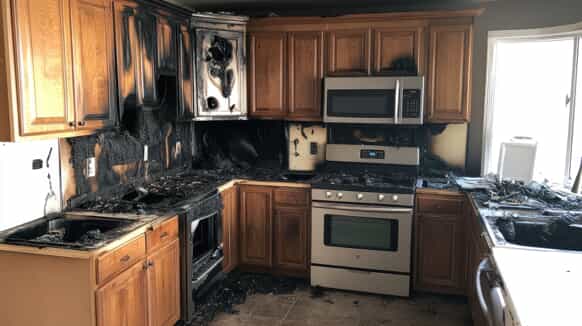
Preventing Future Problems: Fire Damage Restoration in North Miami Beach
In North Miami Beach, fires don’t always make headlines. Many are small — a kitchen grease flare-up, an electrical issue behind a wall, a dryer vent that overheated. The flames may be contained quickly, sometimes before the fire department even finishes clearing the structure.
But what happens after the flames are out is what determines whether the home truly recovers.
Fire damage restoration isn’t just about removing burned materials. It’s about preventing the long-term issues that quietly follow — corrosion, odor, structural weakening, moisture problems, and mold growth. In a coastal environment like North Miami Beach, those risks are amplified.
Here’s what homeowners, landlords, and property managers need to understand about preventing future problems after fire damage.
Fire Damage in Coastal South Florida Is Different
North Miami Beach properties sit in a high-humidity, salt-heavy environment year-round. That matters after a fire.
Soot residue left behind from even a minor fire is acidic. When that residue combines with humidity and salt air, it accelerates deterioration. Metal fixtures corrode faster. Electrical components degrade. Paint surfaces stain permanently if not treated correctly.
Add in constant AC operation and shared ventilation systems in high-rise condos near Sunny Isles Beach and Aventura, and smoke particles can travel far beyond the origin room.
This is why fire damage restoration in coastal neighborhoods must be thorough, not cosmetic.
Understanding the Types of Fire Damage
Fire damage typically includes three overlapping issues:
Burn Damage
Direct destruction of materials such as drywall, cabinetry, flooring, or framing.
Smoke and Soot Contamination
Microscopic particles settle on surfaces throughout the property.
Water Damage
From firefighting efforts or sprinkler systems.
In North Miami Beach homes, especially condos and townhouses, water from suppression efforts can spread into adjacent units or shared walls.
If not dried properly, that water introduces an entirely new risk — mold growth in Florida’s humid climate.
Common Post-Fire Problems in North Miami Beach
Based on real local restoration work, the most frequent long-term issues include:
Persistent smoke odor
Yellowing walls weeks after cleanup
Corrosion of metal hardware
AC systems circulating soot residue
Mold growth in damp insulation
Warped wood flooring from firefighting water
In one condo near Collins Avenue, a small stovetop fire left behind smoke residue inside the ductwork. The odor returned every time the AC turned on until the system was professionally cleaned.
That’s the kind of hidden issue that prevents full recovery.
Why Quick Surface Cleaning Isn’t Enough
It’s common for homeowners to attempt:
Wiping down walls
Repainting stained areas
Replacing visible items
Using air fresheners
While this improves appearance, it doesn’t address contamination embedded inside porous materials.
Soot particles penetrate:
Drywall
Insulation
Wood framing
Cabinet interiors
Duct insulation
Textured ceilings
Painting over soot without proper cleaning can cause staining to bleed through months later.
In Florida’s humidity, leftover residue can reactivate, intensifying odor during humid weather.
The Professional Fire Damage Restoration Process
Proper restoration focuses on long-term stability, not quick turnover.
- Detailed Assessment
The first step is identifying how far smoke traveled and what materials are compromised. In North Miami Beach properties, this includes attic inspection and duct evaluation.
- Securing the Structure
Boarding damaged windows, stabilizing weakened framing, and ensuring the home is safe for cleanup.
- Water Extraction and Structural Drying
If firefighting water was used, drying begins immediately. Dehumidifiers and air movers are placed strategically to reduce moisture in walls and flooring.
Florida humidity makes this step especially important. Materials do not dry passively here.
- Soot and Smoke Residue Removal
Specialized cleaning agents break down acidic soot on surfaces without spreading it. Each material type requires a specific method.
- Air Filtration
Negative air machines remove airborne particles during cleanup to prevent cross-contamination.
- Duct Cleaning and HVAC Inspection
AC systems in North Miami Beach often run constantly. If contaminated, they will continue circulating odor.
- Repair and Reconstruction
Damaged drywall, flooring, cabinetry, and insulation are replaced only after moisture levels are verified safe.
Mold Prevention After Fire Damage
Many property owners don’t realize that mold often follows fire damage.
Fire suppression water, combined with Florida’s climate, creates ideal conditions for mold growth within 24–48 hours.
Preventative steps include:
Full structural drying
Monitoring humidity levels below 55%
Removing saturated insulation
Inspecting wall cavities
Ensuring attic ventilation remains functional
In coastal neighborhoods like Bal Harbour and Surfside, high ambient humidity increases mold risk after any water exposure.
AC Systems After Smoke and Fire Exposure
Air conditioning systems deserve special attention after a fire.
Smoke particles can coat:
Evaporator coils
Blower motors
Duct interiors
Return air plenums
If not cleaned properly, the system reintroduces odor and contaminants each time it runs.
In high-rise buildings in Aventura and North Miami Beach, shared duct systems may require coordination with property management.
Long-Term Prevention Strategies
After restoration, prevention becomes the focus.
Install and Maintain Smoke Detectors
Every bedroom, hallway, and kitchen should be covered.
Schedule Electrical Inspections
Older wiring in Miami Shores and North Miami properties can pose hidden risks.
Clean Dryer Vents Annually
Lint buildup is a frequent source of residential fires.
Maintain Kitchen Ventilation Systems
Grease accumulation increases ignition risk.
Inspect AC Systems Regularly
Prevent overheating and ensure proper airflow.
Use Corrosion-Resistant Materials During Repairs
Especially important in salt-heavy coastal environments.
Inspect Roof and Attic Areas After Fire Events
Smoke often collects in insulation spaces.
Why Local Experience Matters
Fire damage restoration in North Miami Beach isn’t the same as restoration in inland cities.
Salt air corrosion, year-round humidity, high-rise construction, and continuous AC operation create unique recovery challenges.
Understanding:
How soot interacts with humid air
How coastal corrosion accelerates damage
How moisture lingers in slab construction
How duct systems spread contamination
makes the difference between short-term repair and lasting recovery.
Tip Top Water and Fire Damage Restoration has handled fire damage projects in North Miami Beach where initial surface cleaning left hidden attic contamination untouched. Addressing the full scope prevented recurring odor complaints months later.
A Calm Path Forward After Fire Damage
Fire damage is stressful. Even a small incident disrupts daily life.
But long-term problems are preventable when restoration is handled correctly.
Focus on:
Thorough residue removal
Verified structural drying
Complete HVAC inspection
Moisture monitoring
Routine maintenance
In North Miami Beach, where environmental conditions add complexity, prevention after restoration is just as important as the initial cleanup.
When fire damage restoration is approached carefully and comprehensively, homes can return to safe, stable condition without lingering odor, corrosion, or moisture issues.
Handled properly, a fire event becomes a resolved chapter — not an ongoing problem waiting to resurface.