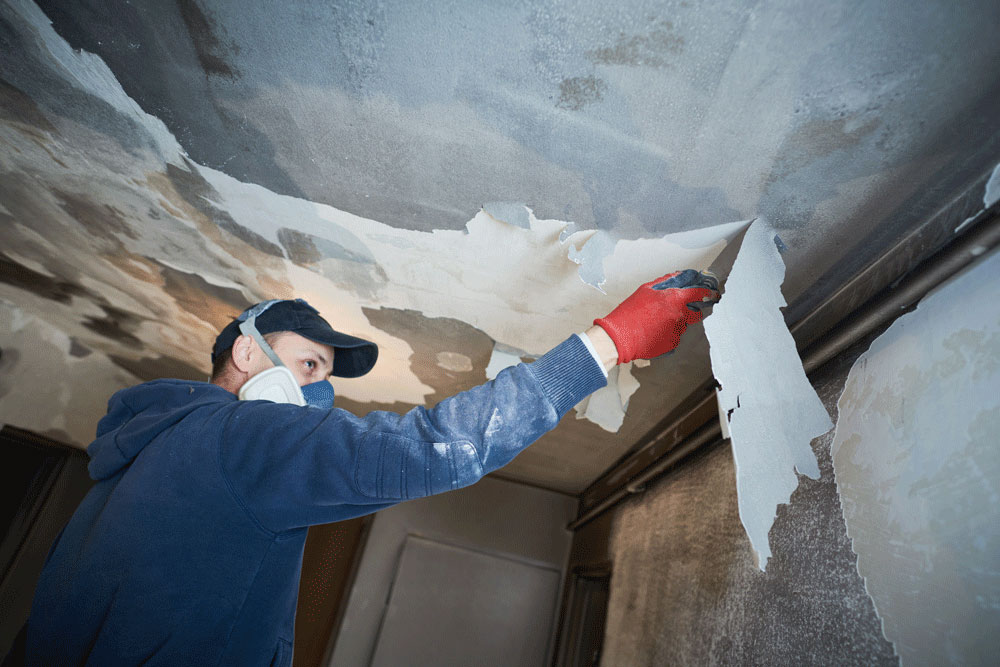
Preventing Future Problems: Fire Damage Restoration in Surfside
Fire damage is one of the most disruptive events a homeowner can face, but the visible damage is often only part of the problem. In Surfside, many restoration projects reveal hidden issues caused by smoke, soot, and moisture that remain long after the fire is extinguished. Preventing future problems depends on thorough restoration, proper drying, and ongoing maintenance.
In coastal communities near Biscayne Bay, humidity and salt air can intensify the effects of fire damage. Understanding how restoration works—and what steps help prevent future issues—can save property owners time, expense, and stress.
What Fire Damage Really Includes
When people think of fire damage, they often imagine burned materials or charred surfaces. In reality, fire incidents affect properties in several ways.
Fire damage typically involves:
- Burned or weakened structural materials
- Smoke residue and soot deposits
- Odors embedded in porous surfaces
- Water damage from firefighting efforts
- Moisture trapped in walls and flooring
Each of these factors must be addressed to prevent long-term problems.
Why Preventive Steps Matter After Restoration
Even after visible repairs are completed, lingering moisture or smoke residue can lead to recurring issues if not handled properly.
Problems that may appear later include:
- Odors returning during humid weather
- Mold growth in damp materials
- Discoloration or staining on walls
- Corrosion in metal fixtures or HVAC components
Preventive measures during and after restoration help ensure these issues do not develop.
How Coastal Conditions Affect Fire Damage
Surfside’s coastal environment plays a significant role in restoration challenges. Humid air slows drying and can allow smoke particles to absorb moisture, making odors stronger and more persistent.
Coastal weather can cause:
- Slower drying of structural materials
- Lingering odors in fabrics and drywall
- Increased risk of mold after firefighting water exposure
- Residue becoming sticky and harder to remove
Nearby communities such as Bal Harbour, North Miami Beach, and Sunny Isles Beach face similar challenges due to humidity and salt air.
Early Signs That Fire Damage Was Not Fully Resolved
After a fire, homeowners may notice signs that restoration was incomplete or that hidden problems remain.
Common indicators include:
- Persistent smoky odors
- Yellow or gray staining reappearing on walls
- Dust-like residue near vents or baseboards
- Air that feels stale or heavy
These signs often indicate that smoke residue or moisture remains in concealed areas.
Hidden Areas Where Fire Damage Often Persists
One of the main reasons preventive measures are important is that smoke and moisture often reach areas that are not visible.
During restoration projects in Surfside homes, technicians frequently find contamination in:
- Air ducts and ventilation systems
- Attic insulation
- Behind drywall and paneling
- Beneath flooring
- Inside closets and cabinets
Because these areas are not easily accessible, thorough inspection is essential.
The Role of Water Damage After a Fire
Water used to extinguish a fire can cause as much damage as the fire itself. Moisture trapped in walls, insulation, or flooring can lead to mold growth and structural weakening if not dried properly.
Water-related risks after a fire include:
- Damp drywall and insulation
- Warped wood or flooring
- Musty odors
- Mold development
Proper drying and moisture detection are critical steps in preventing future problems.
The Fire Damage Restoration Process
Professional restoration follows a structured process to ensure that both visible and hidden damage are addressed.
1. Inspection and Assessment
Technicians evaluate fire, smoke, and water damage, including concealed areas.
2. Removal of Damaged Materials
Severely burned or contaminated materials may be removed to prevent ongoing odor or deterioration.
3. Smoke and Soot Cleaning
Specialized cleaning methods remove residue from structural surfaces and contents.
4. Odor Removal and Air Filtration
Air filtration equipment helps remove airborne particles and improve indoor air quality.
5. Drying and Dehumidification
Moisture from firefighting efforts is removed to prevent mold and structural damage.
6. Repairs and Restoration
Damaged areas are repaired once the structure is clean and dry.
Tip Top Water and Fire Damage Restoration frequently performs these steps in Surfside and surrounding coastal communities, where humidity requires careful drying and monitoring.
HVAC Systems and Long-Term Air Quality
Air conditioning systems can circulate smoke particles throughout a property. Cleaning ventilation systems is often necessary to prevent odors from returning.
During restoration, technicians often inspect:
- Air ducts and vents
- Filters and air handlers
- Insulated ductwork
- Drain lines and condensate pans
Maintaining HVAC systems helps ensure that indoor air remains clean and comfortable.
Preventive Measures That Reduce Future Risks
Several practical steps can help prevent recurring issues after fire damage restoration.
Helpful preventive measures include:
- Ensuring complete drying before repairs
- Monitoring indoor humidity levels
- Scheduling periodic HVAC maintenance
- Inspecting ceilings and walls for staining
- Addressing odors promptly if they return
These steps help protect both structural materials and indoor air quality.
Why Quick Action Makes a Difference
The sooner restoration begins after a fire, the easier it is to remove smoke residue and moisture. Delays allow soot to penetrate deeper into materials and make odors harder to eliminate.
Quick action helps:
- Reduce long-term repair costs
- Prevent mold growth
- Minimize structural damage
- Improve restoration results
Early inspection is often the most effective way to prevent future problems.
Why Local Experience Matters
Fire damage restoration in coastal South Florida requires an understanding of humidity, building materials, and ventilation systems. Homes in Surfside often retain moisture and odors longer than inland properties.
Professionals familiar with Surfside, Biscayne Park, North Miami, and Miami Shores understand:
- How coastal humidity affects drying
- Where hidden smoke residue is most likely to remain
- How to prevent mold after firefighting efforts
- How to ensure complete restoration
Tip Top Water and Fire Damage Restoration has extensive experience working in these neighborhoods, where environmental conditions significantly influence restoration strategies.
A Calm, Practical Next Step
Fire damage can feel overwhelming, but thorough restoration and preventive measures make a significant difference. Cleaning smoke residue, removing moisture, and maintaining proper ventilation help ensure that small issues do not return later.
For homeowners in Surfside, early inspection and proper restoration are the most effective ways to prevent long-term problems and maintain a safe, comfortable living environment.