
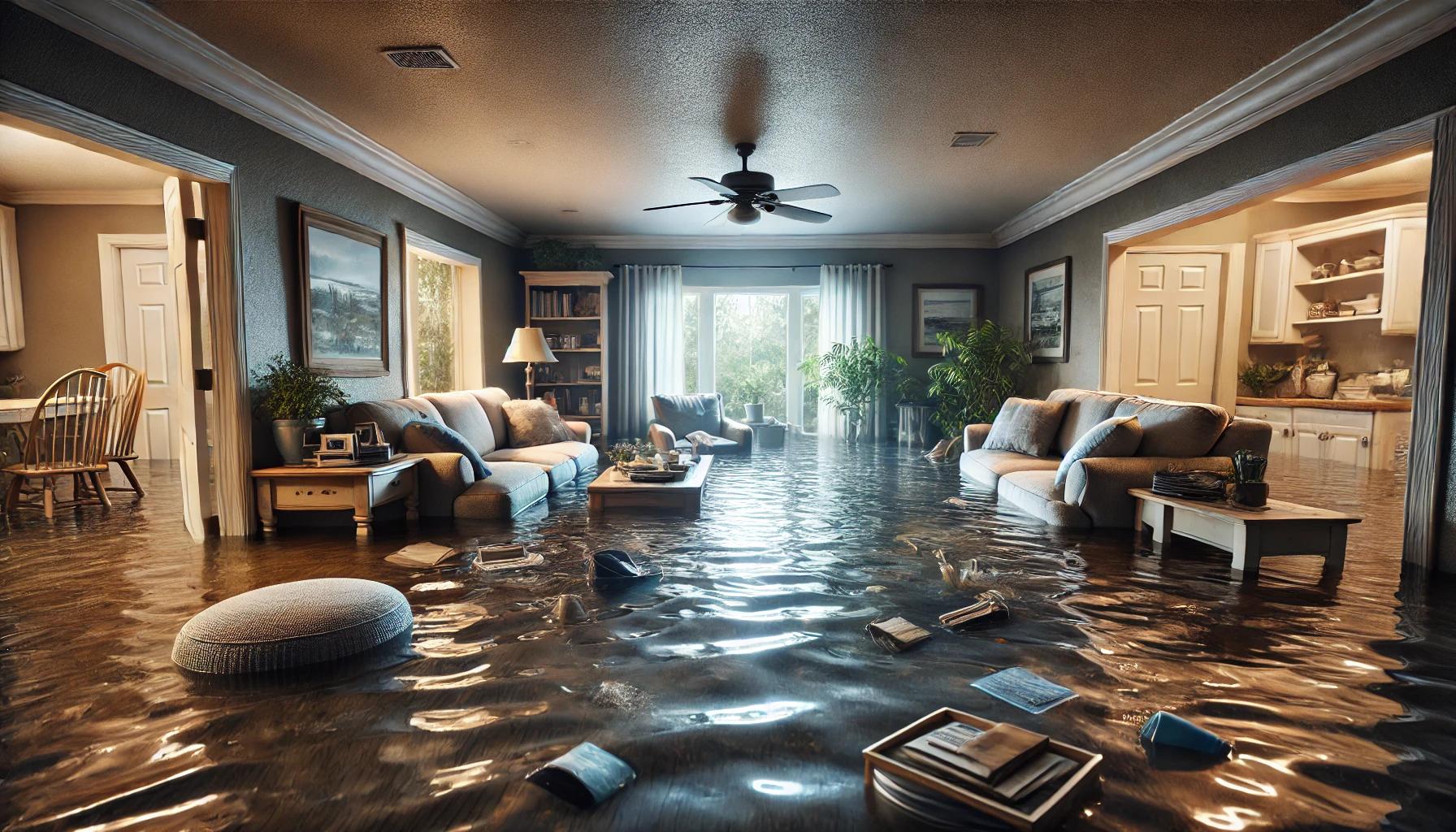
Preventing Future Problems: Flood Restoration in Surfside
Flooding in Surfside is not unusual. Between coastal storms, king tides, heavy seasonal rain, and aging plumbing systems, water intrusion is a recurring challenge for many property owners.
What separates a short-term inconvenience from a long-term structural issue is how the flood restoration process is handled — and what happens afterward.
In a coastal community like Surfside, prevention is just as important as cleanup. Flood restoration is not only about removing water. It is about protecting the home from recurring damage, hidden moisture, mold growth, and long-term deterioration.
Understanding Flood Restoration in a Coastal Environment
Flood restoration involves far more than extracting standing water.
It includes:
- Identifying how water entered
- Removing excess water
- Detecting hidden moisture
- Drying structural materials
- Cleaning and sanitizing affected areas
- Repairing damaged components
In Surfside, coastal conditions amplify every step of this process. Elevated humidity slows drying. Salt exposure increases corrosion risk. Slab foundations allow moisture to travel laterally beneath flooring.
Homes in nearby Bal Harbour, Sunny Isles Beach, and North Miami Beach face similar challenges, especially after tropical storms.
Proper restoration must account for these environmental factors.
Why Flooding Happens So Often in Surfside
Several conditions make Surfside particularly vulnerable:
- Low elevation near the ocean
- Storm surge during hurricanes
- Wind-driven rain
- King tide events
- Aging drainage infrastructure
- Slab-on-grade construction
In slab foundation homes common throughout North Miami and Miami Shores, groundwater can rise during prolonged rainfall.
Even minor water intrusion through door thresholds or window seals can create hidden moisture problems.
Flooding does not always mean inches of standing water. Sometimes it is subtle seepage that accumulates over time.
The Immediate Risk After Flooding
Once water enters a property, the clock starts.
In South Florida’s climate, moisture left untreated for more than 48 hours increases the likelihood of:
- Mold growth
- Warped flooring
- Baseboard swelling
- Insulation damage
- Corrosion of metal fixtures
Humidity in Surfside accelerates these effects.
That is why professional moisture detection is essential even when visible water appears minimal.
The Role of Moisture Detection
Moisture does not remain on the surface.
It moves into:
- Drywall
- Subflooring
- Concrete slabs
- Cabinet bases
- Wall cavities
- HVAC ductwork
Professional moisture meters and mapping tools identify saturation levels within building materials.
In Surfside condos and high-rise units, water may migrate between floors or through shared walls.
Tip Top Water and Fire Damage Restoration emphasizes comprehensive moisture detection to prevent overlooked damp areas that could lead to mold later.
Structural Drying: The Critical Phase
Removing standing water is only the beginning.
Structural drying includes:
- Commercial-grade air movers
- Industrial dehumidifiers
- Ongoing moisture monitoring
- Adjusting airflow patterns
In coastal homes near Biscayne Bay, elevated ambient humidity makes drying more complex.
Concrete slabs retain moisture. Tile floors may appear dry while moisture lingers underneath.
Drying must continue until materials reach acceptable moisture levels — not just until surfaces feel dry.
Preventing Mold After Flood Restoration
Mold prevention is central to flood recovery in Surfside.
Warm temperatures and high humidity create ideal conditions for mold development.
Prevention strategies include:
- Rapid drying
- Removing saturated materials
- Monitoring humidity
- Cleaning affected surfaces
- Ensuring adequate airflow
Closets, behind cabinetry, and inside wall cavities require special attention.
In high-rise buildings in Sunny Isles Beach and Aventura, limited ventilation can trap humidity if not properly managed.
Addressing HVAC Systems After Flooding
Floodwater can affect HVAC systems in several ways.
Low-mounted return vents may draw humid air into ductwork. Condensate drain lines may become overwhelmed during extended moisture events.
After flooding, it is important to:
- Inspect air handlers
- Check duct interiors
- Replace filters
- Ensure condensate lines are clear
If ducts were exposed to contaminated water, cleaning may be necessary to protect indoor air quality.
Ignoring HVAC components can lead to lingering odor and ongoing humidity imbalance.
Long-Term Prevention Strategies
Flood restoration should always include a prevention plan.
Property owners in Surfside can reduce future risk by:
Improving Exterior Drainage
Ensure that:
- Downspouts direct water away from the home
- Yard grading slopes outward
- Drains remain clear of debris
Proper drainage reduces slab moisture migration.
Maintaining Roof and Window Seals
Wind-driven rain during storms often enters through small gaps.
Annual inspections of:
- Roof flashing
- Window caulking
- Door thresholds
help prevent water intrusion.
Monitoring Indoor Humidity
Keeping indoor humidity below 60 percent:
- Reduces mold risk
- Protects wood framing
- Supports HVAC efficiency
Dehumidifiers may be beneficial in moisture-prone areas.
Servicing Plumbing Systems
Slow leaks inside walls or beneath sinks often go unnoticed until damage appears.
Routine plumbing inspections reduce the risk of sudden water damage.
Slab Foundations and Coastal Water Tables
Many homes in North Miami Beach and Miami Shores are built on slabs.
When groundwater levels rise after prolonged rain, moisture can migrate upward.
Signs of slab moisture issues include:
- Tile lifting
- Warped wood flooring
- Damp carpet edges
- Baseboard swelling
Proper drainage and moisture monitoring protect against these recurring problems.
Corrosion and Coastal Exposure
Flooding in coastal areas often introduces salt-contaminated water.
Salt residue accelerates corrosion of:
- Appliances
- Electrical components
- Metal framing
- HVAC systems
Thorough cleaning after flood events reduces long-term deterioration.
Coastal properties require more vigilant inspection than inland homes.
Why DIY Flood Cleanup Is Risky
Surface drying with household fans rarely addresses hidden moisture.
Without professional equipment:
- Moisture may remain in walls
- Slab dampness may go undetected
- Mold may develop behind surfaces
In Surfside’s humid climate, incomplete drying almost always leads to secondary issues.
Professional flood restoration ensures that drying is verified — not assumed.
Why Local Coastal Experience Matters
Flood restoration in Surfside is influenced by:
- Ocean proximity
- Salt air exposure
- High water tables
- Slab construction
- Continuous AC operation
Restoration methods designed for dry inland regions do not always address these factors.
Tip Top Water and Fire Damage Restoration has worked in Surfside, Bal Harbour, North Miami, and nearby communities with strategies tailored specifically to Florida’s coastal environment.
Local experience ensures that prevention planning is part of the restoration process — not an afterthought.
Moving Forward After Flooding
Flooding can feel disruptive, but it does not have to become a recurring problem.
With proper moisture detection, structured drying, HVAC evaluation, and long-term maintenance planning, homes in Surfside can remain stable and protected.
Prevention begins with understanding how water behaves in a coastal climate.
Flood restoration is not only about repairing damage. It is about strengthening the home against future moisture events.
In Surfside, where storms and high humidity are part of everyday life, proactive maintenance makes all the difference.