
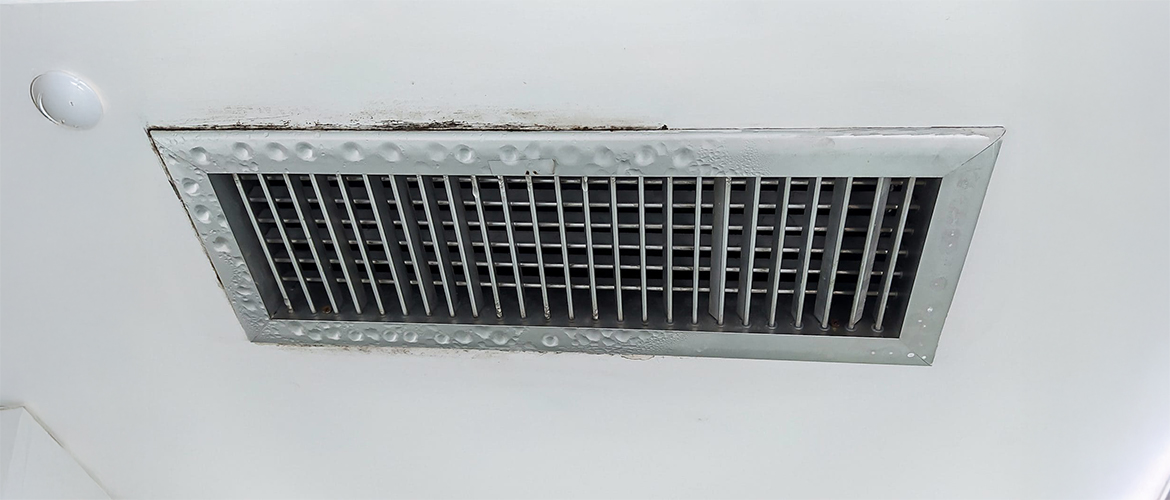
Air Duct Cleaning in Coastal Neighborhoods Near Biscayne Bay Following Indoor Flooding: What to Watch For
Indoor flooding in coastal neighborhoods near Biscayne Bay — including North Miami, Miami Shores, Biscayne Park, Aventura, and Surfside — creates more than visible floor damage. One of the most overlooked areas after water intrusion is the HVAC system.
Air ducts often sit above ceilings, behind walls, or inside soffits. When flooding occurs, especially in humid coastal environments, these systems can become contaminated with moisture, debris, and microbial growth.
Air duct cleaning after indoor flooding is not automatic in every case — but in many Biscayne Bay properties, it becomes a critical step in protecting indoor air quality and preventing recurring mold problems.
Understanding what to watch for helps property owners make informed decisions after flood restoration.
Why Coastal Flooding Creates Extra Risk for Duct Systems
Flooding near Biscayne Bay is influenced by:
- Heavy rainfall
- Storm surge
- Elevated groundwater
- Wind-driven rain
- Prolonged humidity
Unlike dry inland climates, coastal South Florida air remains saturated long after visible water is removed.
When indoor flooding occurs, humidity levels spike dramatically. HVAC systems pull that moist air into ductwork.
If ducts are located in ceilings or low wall cavities, they may also be directly exposed to water intrusion.
Moisture inside ducts creates the perfect environment for contamination.
How Floodwater Affects Air Ducts
Even if ducts are not submerged, flood conditions impact them in several ways.
High Humidity Infiltration
Flooding raises indoor humidity to extreme levels. Duct interiors collect condensation as warm, moist air circulates through cooler metal surfaces.
Insulation Saturation
Many duct systems are wrapped in insulation. If water enters ceiling cavities, insulation around ducts can absorb moisture and remain damp.
Debris and Particulate Entry
Floodwater can introduce dust, drywall particles, insulation fibers, and organic debris into return vents.
Contaminant Spread
If floodwater contains contaminants — especially in storm surge situations — those particles may enter HVAC systems and circulate through the property.
In neighborhoods like North Miami Beach and Miami Shores, where homes are close to waterways, these risks are amplified.
Signs Duct Cleaning May Be Necessary After Flooding
Not every flood requires duct cleaning. However, certain warning signs indicate it may be needed.
Watch for:
- Musty odor when AC turns on
- Visible debris around vents
- Increased dust accumulation
- Uneven airflow
- AC running longer than normal
- Mold growth near vents
- Ceiling stains around duct runs
If flooding affected upper floors or ceiling cavities, duct inspection becomes especially important.
Even if floors appear dry, moisture may remain inside duct insulation.
Hidden Moisture in Ceiling Cavities
In slab-on-grade homes common in Biscayne Park and North Miami, flooding often spreads horizontally across floors.
In multi-level homes or condos, water may travel upward into ceiling cavities through wall systems.
If ducts run through these spaces, they may be exposed to:
- Damp insulation
- Wet drywall
- Condensation buildup
Moisture detection tools help determine whether duct insulation has retained water.
Simply drying floors does not address this hidden risk.
The Mold Connection
Mold spores are always present in the air.
When moisture enters duct systems, spores can settle and grow along internal surfaces.
In coastal climates, mold growth can begin quickly — sometimes within 24 to 48 hours if humidity remains elevated.
If mold develops inside ducts, spores circulate throughout the entire home.
Air duct cleaning following flood restoration prevents widespread contamination.
Ignoring duct systems increases the likelihood of recurring mold problems.
HVAC System Components to Inspect
After indoor flooding near Biscayne Bay, inspection should include:
- Supply ducts
- Return ducts
- Air handler compartments
- Evaporator coils
- Drain pans
- Duct insulation
- Vent registers
Flood conditions can clog condensate lines or cause drain pan overflow.
Salt exposure from storm surge increases corrosion risk inside HVAC systems.
A thorough inspection determines whether cleaning or component replacement is necessary.
The Air Duct Cleaning Process After Flooding
When cleaning is required, the process should be structured and controlled.
Professional air duct cleaning typically includes:
- Sealing supply and return vents
- Establishing negative air pressure
- Agitating debris within duct lines
- HEPA filtration to capture particles
- Cleaning air handler compartments
- Inspecting and replacing wet insulation if needed
If contamination is present, antimicrobial treatment may be applied appropriately.
Drying of duct insulation is essential before systems are returned to normal operation.
In coastal neighborhoods, humidity control during this process is critical.
Why Surface Cleaning Is Not Enough
Some homeowners attempt to wipe vent covers and assume the system is clean.
However, contamination often exists deeper inside duct lines.
Surface cleaning does not address:
- Internal mold growth
- Damp insulation
- Debris accumulation
- Corroded components
Without full inspection, moisture may remain trapped inside the system.
That moisture becomes a long-term indoor air quality problem.
The Role of Humidity Control After Flooding
After flood restoration, maintaining indoor humidity below 55% is essential.
High humidity allows any remaining spores inside ductwork to reactivate.
Dehumidifiers and proper HVAC performance stabilize indoor conditions.
Monitoring humidity levels helps prevent recurring contamination.
In waterfront properties near Aventura and Surfside, humidity control is ongoing due to coastal air exposure.
When Duct Replacement Is Necessary
In severe flooding cases — particularly when ducts were submerged or insulation was heavily saturated — replacement may be more appropriate than cleaning.
Duct insulation that remains damp for extended periods can:
- Support mold growth
- Emit odors
- Reduce system efficiency
An experienced restoration professional can determine whether cleaning or replacement is the better option.
Early evaluation prevents future air quality issues.
Preventive Measures After Flood Restoration
Property owners near Biscayne Bay can reduce duct-related problems after flooding by:
- Scheduling HVAC inspection immediately
- Monitoring for odors or airflow changes
- Maintaining indoor humidity
- Replacing air filters frequently
- Inspecting duct insulation for moisture
Preventive duct evaluation is far less expensive than full mold remediation later.
Acting quickly protects both the system and the structure.
Why Local Coastal Experience Matters
Air duct cleaning following indoor flooding in coastal neighborhoods requires understanding:
- How storm surge contamination behaves
- How humidity impacts drying
- How salt exposure accelerates corrosion
- How slab foundations affect moisture migration
A restoration professional familiar with North Miami, Miami Shores, Biscayne Park, and nearby bayfront communities understands these environmental patterns.
Tip Top Water and Fire Damage Restoration has handled flood-related HVAC concerns throughout these coastal neighborhoods, ensuring duct systems are properly evaluated and cleaned when necessary.
Local experience leads to accurate assessments and durable solutions.
A Practical Perspective
Indoor flooding in coastal neighborhoods near Biscayne Bay affects more than floors and walls.
Air duct systems often absorb moisture, debris, and contaminants that are not immediately visible.
Watching for odors, airflow changes, and vent discoloration helps identify when cleaning is necessary.
In South Florida’s humid climate, quick inspection and proper duct cleaning prevent mold growth and protect long-term indoor air quality.
After flooding, paying attention to what you can’t see — especially inside HVAC systems — makes the difference between full recovery and ongoing air quality problems.