
Preventing Future Problems: Indoor Air Quality Improvement in Sunny Isles Beach
Indoor air quality often receives less attention than visible property issues, yet it plays a major role in the comfort and long-term condition of homes and condominiums throughout Sunny Isles Beach. Coastal humidity, heavy AC use, and moisture intrusion can quietly impact indoor air long before occupants realize something is wrong.
Many property owners focus on fixing visible damage, but experienced inspectors know that improving indoor air quality is one of the best ways to prevent recurring moisture and mold problems. Understanding how indoor air quality is affected—and how it can be improved—helps homeowners maintain healthier, longer-lasting living environments.
Here is a practical, step-by-step look at how indoor air quality improvement works in Sunny Isles Beach properties and how it prevents future property problems.
Understanding Indoor Air Quality Issues
Indoor air quality refers to the condition of the air inside homes and buildings. In coastal Florida communities, indoor air often contains excess moisture, dust, and airborne particles caused by climate conditions and building design.
Common indoor air quality concerns include:
- Excess humidity trapped indoors
- Mold spores circulating in air
- Dust buildup inside duct systems
- Poor ventilation
- Odors caused by moisture or hidden mold
- Airborne debris from deteriorating materials
These issues usually develop gradually, making them easy to overlook until odors, mold spots, or persistent dampness appear.
Why Indoor Air Quality Problems Are Common in Sunny Isles Beach
Sunny Isles Beach properties face unique environmental pressures that impact air quality.
Coastal humidity remains high throughout much of the year. Even when homes are sealed and air-conditioned, moisture enters through doors, windows, and ventilation systems. Over time, this trapped humidity creates conditions where mold and bacteria can grow inside walls or air ducts.
Additional local factors include:
- Continuous AC operation creating condensation
- Older condo ventilation systems
- Balcony and window exposure to humid air
- Heavy storm seasons increasing moisture intrusion
- High-rise plumbing leaks affecting multiple floors
Nearby communities such as Aventura, North Miami Beach, Surfside, and Bal Harbour experience similar conditions due to coastal proximity.
Common Signs Indoor Air Quality Needs Improvement
Homeowners often notice subtle warning signs before realizing air quality has declined.
Typical indicators include:
- Musty or stale indoor odors
- Excess indoor humidity or damp feeling air
- Mold spots reappearing after cleaning
- Increased dust accumulation
- Condensation forming on windows
- Allergy-like discomfort indoors
- Rooms that feel stuffy or poorly ventilated
In many Sunny Isles Beach condos, residents initially believe AC systems are malfunctioning when air quality is actually the problem.
Hidden Sources Affecting Indoor Air Quality
Indoor air problems often originate from hidden moisture or ventilation issues rather than visible mold.
Common hidden contributors include:
- Mold inside air ducts
- Damp insulation behind walls
- Wet drywall from past leaks
- AC drain line blockages
- Moisture trapped under flooring
- Poor attic or ceiling ventilation
- Dirty air handlers or coils
Even small, unnoticed leaks can allow mold growth that spreads spores throughout the home.
Why DIY Solutions Often Provide Temporary Results
Many homeowners try to improve air quality with air fresheners or portable filters, but these methods rarely solve underlying problems.
DIY attempts usually fail because:
- Moisture sources remain untreated
- Mold continues growing out of sight
- Duct systems remain contaminated
- AC systems still produce excess condensation
- Hidden leaks persist
Air quality improves temporarily but problems quickly return.
Professional inspection addresses the cause rather than symptoms.
Professional Indoor Air Quality Inspection Process
Experienced inspectors follow a structured process to evaluate indoor air quality.
Visual Inspection
Inspectors check common moisture and ventilation areas, including AC systems, bathrooms, kitchens, and storage spaces.
Moisture Detection
Meters and thermal cameras identify damp materials behind walls or ceilings.
Air Sampling
Indoor air samples are compared to outdoor levels to determine whether mold spores or particles are elevated indoors.
Duct and HVAC Inspection
Air ducts and AC components are examined for dust buildup, mold presence, or condensation issues.
Source Identification
Inspectors identify moisture sources affecting air quality.
This process provides clear guidance on necessary improvements.
Improving Air Quality Through Proper Remediation
Once issues are identified, professionals address them using targeted solutions.
Improvement steps may include:
- Cleaning or replacing contaminated duct systems
- Removing mold-contaminated materials
- Repairing moisture sources
- Cleaning AC coils and drain systems
- Installing or adjusting ventilation systems
- Using controlled drying equipment where needed
Removing contamination and controlling moisture greatly improves indoor conditions.
Connection Between Water Damage and Air Quality
Many indoor air quality problems in Sunny Isles Beach begin with water damage that was never fully resolved.
Flooding, plumbing leaks, or AC overflows often leave moisture trapped behind surfaces. Even after visible repairs, lingering dampness allows mold growth that later affects air circulation.
Homes that previously experienced leaks or flooding benefit from inspection to confirm moisture has not remained hidden.
AC Systems and Their Role in Indoor Air Quality
Air conditioning systems strongly influence indoor air quality in coastal properties.
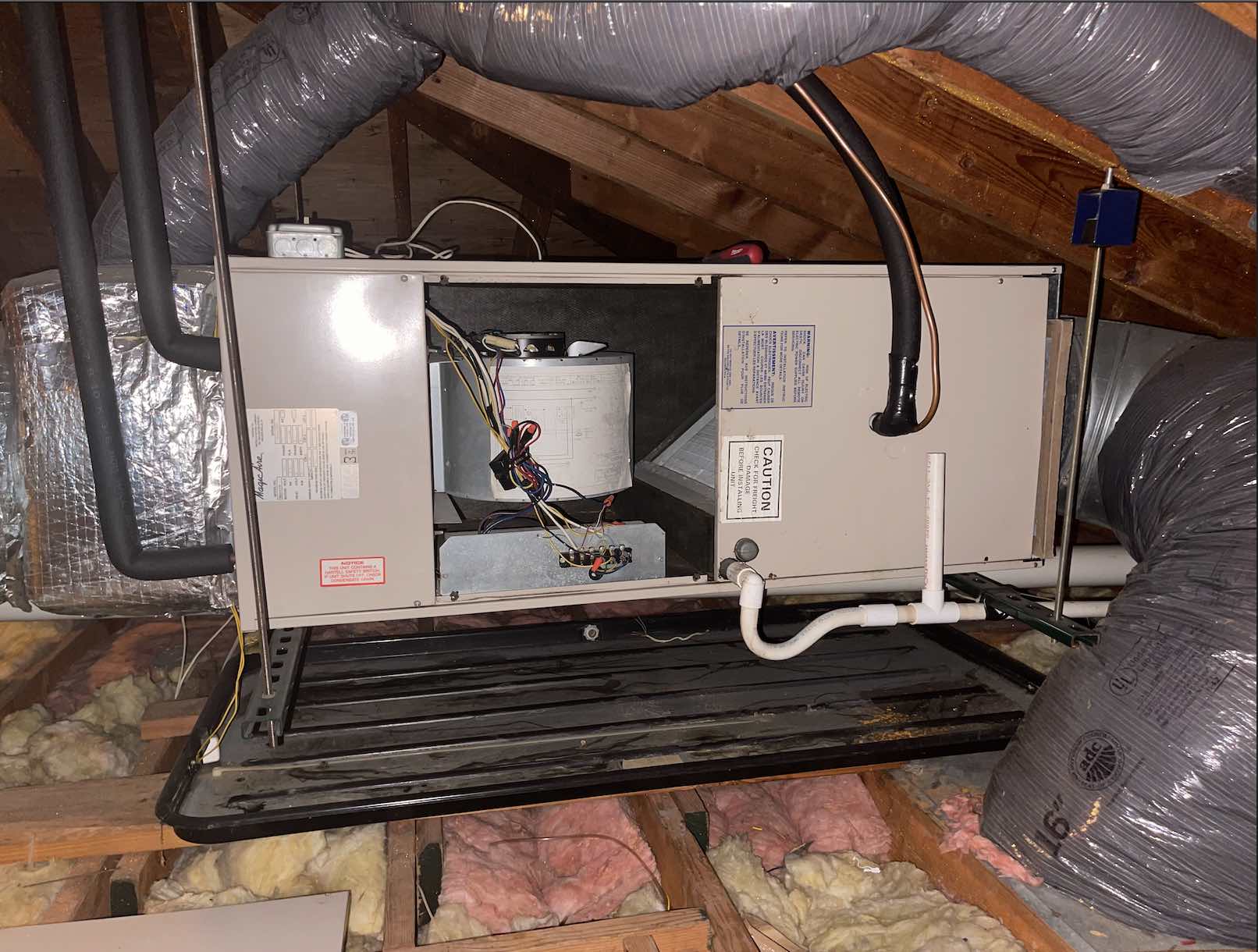
AC systems cool air by removing moisture, but when drain lines clog or equipment malfunctions, moisture accumulates around components. This can create mold growth or cause humidity to remain indoors.
Professionals often check:
- Drain line condition
- Drain pan overflow risks
- Duct insulation integrity
- Coil cleanliness
- Airflow balance
Proper AC maintenance significantly improves air quality.
Preventing Future Air Quality Problems
Preventive maintenance reduces future air quality concerns.
Homeowners and property managers can help maintain healthy indoor air by:
- Servicing AC systems annually
- Cleaning or replacing air filters regularly
- Keeping humidity levels below 60%
- Repairing leaks immediately
- Ensuring proper ventilation in kitchens and bathrooms
- Scheduling periodic duct inspections
- Monitoring indoor humidity levels
Routine maintenance helps prevent both mold growth and air circulation problems.
Why Local Experience Matters
Improving indoor air quality in Sunny Isles Beach requires understanding local environmental conditions and building types.
High-rise condominiums, waterfront homes, and older buildings each have different ventilation challenges. Inspectors familiar with North Miami, Aventura, Biscayne Park, and coastal neighborhoods recognize where moisture problems commonly occur.
Local professionals such as Tip Top Water and Fire Damage Restoration have seen how small moisture issues can grow into long-term air quality concerns when not properly addressed.
Local knowledge allows faster identification of root causes.
Taking Practical Steps Toward Healthier Indoor Air
Improving indoor air quality does not require drastic measures. Often, addressing hidden moisture and improving ventilation provides noticeable results quickly.
If indoor spaces feel damp, smell musty, or seem uncomfortable despite cooling, a professional inspection can reveal underlying causes and prevent future damage.
Taking calm, practical action today helps Sunny Isles Beach homeowners maintain comfortable living spaces while protecting their properties from long-term moisture and mold-related issues.