Preventing Future Problems: Moisture Detection in Miami Shores
Moisture problems rarely start as dramatic events. In many Miami Shores homes, excess moisture builds quietly—inside walls, under flooring, or in attic spaces—long before stains, odors, or mold become visible. By the time clear signs appear, damage may already be underway.
That’s why moisture detection has become one of the most important preventive steps in property maintenance across Miami Shores and nearby communities like North Miami, Biscayne Park, and Surfside. Detecting hidden moisture early helps prevent structural damage, mold growth, and costly repairs.
What Moisture Detection Really Means
Moisture detection is the process of locating water intrusion or humidity buildup in areas that aren’t visible during a normal inspection.
This includes checking:
- Wall cavities
- Subfloors and baseboards
- Attics and insulation
- Air conditioning systems
- Around plumbing lines and fixtures
- Behind cabinets and appliances
Modern tools allow professionals to measure moisture levels without removing drywall or flooring, which helps identify problems early and accurately.
Why Moisture Problems Are So Common in Miami Shores
Miami Shores properties face several environmental factors that make hidden moisture a recurring issue.
High humidity is constant throughout much of the year. Even well-maintained homes can experience condensation inside walls or ducts when temperature differences occur between indoor and outdoor air.
Heavy seasonal rainstorms also contribute. Wind-driven rain can seep into small openings around windows, roofing materials, or exterior walls. Sometimes the intrusion is minor but persistent, leading to gradual moisture buildup.
Another factor is air conditioning. In South Florida, AC systems run almost continuously. Condensation lines, drain pans, and ductwork can develop leaks or blockages, allowing moisture to collect in ceilings or mechanical closets.
Older homes in Miami Shores may also have aging plumbing or roofing materials that allow slow leaks to develop over time.
Common Signs Homeowners Notice
Many moisture issues start quietly, but there are warning signs that property owners should watch for.
These include:
- Musty or damp odors
- Paint bubbling or peeling
- Warped baseboards or flooring
- Water stains on ceilings or walls
- Increased indoor humidity
- Condensation around vents or windows
Sometimes these signs appear gradually, which is why they’re often overlooked until damage becomes more noticeable.
Hidden or Overlooked Sources of Moisture
Some of the most serious moisture problems develop in areas people rarely inspect.
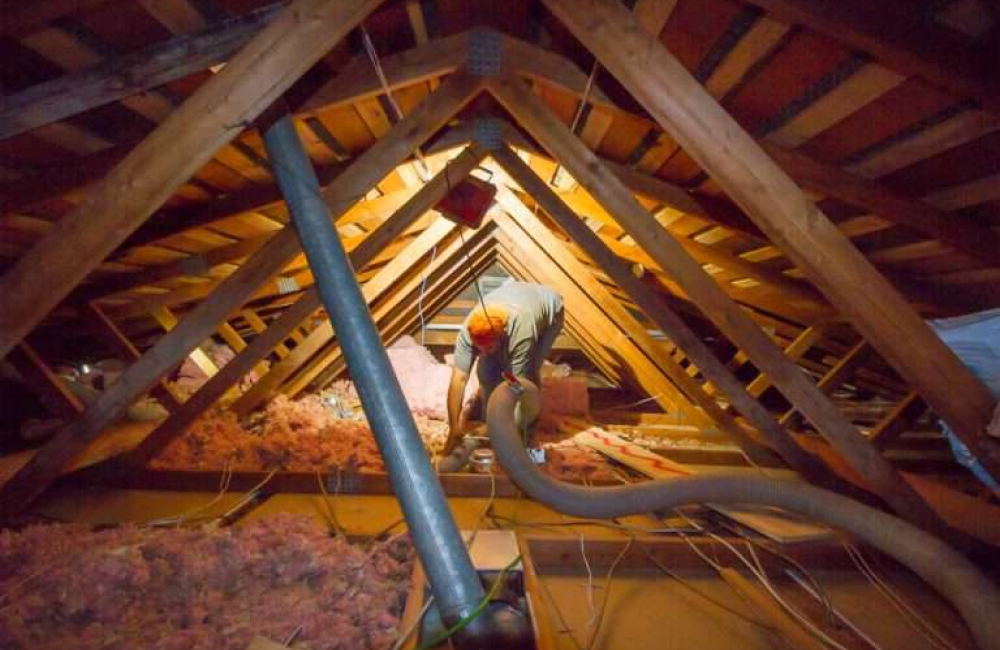
Attics are a common example. Poor ventilation or roof leaks can allow humidity to accumulate in insulation and wooden framing. Over time, this creates ideal conditions for mold growth and wood deterioration.
Crawl spaces and slab edges can also trap moisture, especially after heavy rain. Plumbing connections behind walls or under sinks are another frequent source of slow leaks.
Air ducts are often overlooked as well. Condensation inside ductwork can drip into ceilings or insulation, spreading moisture into surrounding materials.
Why DIY Moisture Checks Often Miss the Problem
Homeowners sometimes try to locate moisture by looking for stains or touching surfaces, but this approach rarely identifies the full extent of the issue.
Moisture often spreads inside materials before it becomes visible. Drywall, wood, and insulation can hold water for long periods without obvious surface changes.
Professional detection equipment measures moisture levels below the surface and identifies temperature differences that indicate hidden dampness. Without these tools, small problems can go unnoticed until repairs become much more expensive.
How Professional Moisture Detection Works
A thorough inspection usually involves several steps designed to identify both active leaks and areas at risk.
Professionals may use:
- Moisture meters to measure water content in materials
- Infrared cameras to locate temperature variations caused by moisture
- Hygrometers to measure indoor humidity levels
- Visual inspection of roofing, plumbing, and HVAC systems
This process helps determine not only where moisture is present but also why it is occurring.
Companies such as Tip Top Water and Fire Damage Restoration often perform these inspections in Miami Shores properties where early detection prevents larger restoration work later.
The Connection Between Moisture and Mold
One of the main reasons moisture detection is so important in South Florida is the speed at which mold can develop.
In warm, humid environments, mold growth can begin within 24 to 48 hours when moisture is present. Even small leaks or condensation can create enough humidity for spores to spread.
Early detection allows property owners to correct the moisture source before mold remediation becomes necessary, saving both time and expense.
Moisture and Water Damage in Structural Materials
Moisture doesn’t just affect air quality—it also impacts the structural components of a building.
Prolonged dampness can lead to:
- Wood rot in framing or subfloors
- Rust on metal fasteners and fixtures
- Deterioration of drywall and insulation
- Adhesive failure in flooring materials
In coastal environments like Miami Shores, salt in the air can accelerate corrosion when combined with moisture, making early detection even more important.
Air Conditioning Systems and Hidden Moisture
Air conditioning systems are essential in South Florida, but they are also a frequent source of hidden moisture.
Blocked drain lines, clogged filters, or improperly insulated ducts can lead to condensation buildup. Over time, this moisture can spread into ceilings, walls, and insulation.
Regular inspections of AC components, including drain pans and ductwork, help prevent these problems and maintain indoor air quality.
Homes in nearby areas such as North Miami Beach and Aventura often experience similar issues because of year-round cooling demands.
How to Prevent Moisture Problems in Miami Shores Homes
Preventive maintenance goes a long way in reducing the risk of moisture damage.
Helpful steps include:
- Inspecting roofs and flashing annually
- Cleaning AC drain lines regularly
- Checking plumbing connections for slow leaks
- Maintaining proper attic ventilation
- Monitoring indoor humidity levels
Scheduling periodic moisture inspections is also a practical way to catch issues early, especially after storms or plumbing repairs.
Why Local Experience Makes a Difference
Moisture detection in Miami Shores requires an understanding of local construction styles, coastal weather patterns, and humidity behavior.
Professionals familiar with the area know where moisture tends to accumulate and how environmental conditions influence drying and ventilation.
Tip Top Water and Fire Damage Restoration has worked in Miami Shores, Biscayne Park, Sunny Isles Beach, and surrounding coastal communities, where hidden moisture is one of the most common causes of property damage.
Local experience helps ensure that inspections are thorough and that underlying causes—not just symptoms—are addressed.
A Practical Approach to Preventing Future Damage
Moisture problems often begin small but can lead to significant repairs if ignored. Early detection provides an opportunity to correct leaks, improve ventilation, and protect structural materials before serious damage occurs.
For property owners in Miami Shores, staying aware of moisture risks and scheduling periodic inspections can make a significant difference in preserving both the comfort and value of a home.
Preventive maintenance may not always seem urgent, but when it comes to moisture, acting early is almost always the simplest and most effective solution.