
Preventing Future Problems: Mold Testing in North Miami
North Miami homeowners are no strangers to humidity, heavy rain, and year-round air-conditioning use. These everyday conditions create a comfortable lifestyle but also make homes vulnerable to hidden moisture problems. When moisture remains trapped inside walls, ceilings, or flooring, mold growth can begin quietly, often long before visible warning signs appear.
At QualityAir Mold Inspection & Testing, many property inspections in North Miami begin when homeowners notice musty odors or unexplained humidity inside their homes. In many cases, mold growth has already started behind surfaces, and testing becomes necessary to understand the extent of the problem.
Knowing when and why mold testing is needed helps property owners prevent long-term damage, maintain healthy indoor environments, and avoid expensive remediation later.
A Common Situation in North Miami Homes
A typical situation begins with a minor water intrusion. A plumbing leak, storm-related roof issue, or condensation around an air-conditioning unit introduces moisture into building materials. Cleanup is often quick, and surfaces appear dry.
Weeks later, however, occupants begin noticing persistent musty odors or certain rooms feeling damp despite constant AC use. Dust may accumulate more quickly, or minor stains begin appearing near ceilings or vents.
During professional inspection, hidden moisture is frequently found behind walls or under flooring where mold may already be developing. Because the initial moisture event seemed small, homeowners often delay professional evaluation.
This scenario is extremely common in North Miami homes, where humidity slows drying and moisture problems linger longer than expected.
Why Mold Problems Develop Easily in North Miami
North Miami’s climate creates conditions that support mold growth throughout the year. High humidity remains present even when rainfall is low, and seasonal storms frequently introduce moisture into homes.
Common contributing factors include:
- Year-round humidity entering homes
- Heavy rain and seasonal storms
- Roof or plumbing leaks
- Air-conditioning condensation problems
- Poor ventilation in bathrooms or kitchens
- Aging windows or exterior seals
Moisture often travels inside walls or ceilings without immediate visible damage. Because drying takes longer in humid climates, materials remain damp long enough for mold colonies to grow unnoticed.
Without early testing and correction, contamination can spread quietly.
Why Mold Testing Is Important for Prevention
Many homeowners assume testing is only necessary after mold becomes visible. In reality, mold testing often helps prevent larger problems.
Testing helps determine:
- Whether mold spores inside the home exceed normal outdoor levels
- If contamination is affecting indoor air quality
- Whether hidden mold growth exists behind surfaces
- If recent water damage created contamination risks
Early testing allows homeowners to correct moisture issues before mold spreads or structural damage develops.
Preventive testing is especially useful after storms, plumbing repairs, or flooding events.
How Mold Affects Homes Over Time
Mold growth usually signals an underlying moisture problem that gradually weakens building materials.
Common long-term impacts include:
- Ceiling or wall deterioration
- Damaged drywall or insulation
- Warped cabinetry or flooring
- Persistent musty odors
- Increased indoor humidity
- Reduced HVAC efficiency
Moisture trapped inside insulation forces cooling systems to run longer, increasing energy costs.
In North Miami’s competitive housing market, mold concerns can also delay property sales, as buyers frequently request inspections when odors or stains appear.
Early testing helps prevent long-term property value loss.
Mold Inspection vs. Mold Testing
Homeowners sometimes confuse mold inspection with mold testing, but both services serve different purposes.
A professional mold inspection identifies moisture sources and determines whether mold growth exists or may be hidden. Inspectors evaluate kitchens, bathrooms, HVAC systems, attics, and exterior exposure points.
Mold testing measures airborne mold spore levels and compares indoor air with outdoor conditions. Surface samples may also confirm contamination if visible growth exists.
Inspection often reveals moisture conditions, while testing confirms whether contamination is affecting indoor air.
If mold is found, remediation contractors remove affected materials and correct moisture problems.
QualityAir Mold Inspection & Testing focuses on inspection and testing so corrective actions address root moisture causes rather than cosmetic symptoms.
Why DIY Mold Checks Often Miss Hidden Problems
Some homeowners attempt to evaluate mold risks themselves by cleaning visible spots or using household humidity meters. While helpful, these methods often miss hidden contamination.
Walls and flooring may appear dry while deeper materials remain damp. Mold can grow behind surfaces without visible warning signs.
Another common mistake is assuming humidity alone causes odors. Persistent smells usually indicate hidden mold or moisture issues.
Professional testing eliminates guesswork and provides accurate data for decision-making.
What Happens During Professional Mold Testing
Professional mold testing follows a structured process designed to locate contamination accurately.
Inspectors begin by discussing homeowner concerns, including when odors appeared and whether leaks or storms recently occurred. Understanding the property’s history helps identify likely moisture sources.
A visual inspection evaluates living spaces, kitchens, bathrooms, HVAC systems, and exterior conditions.
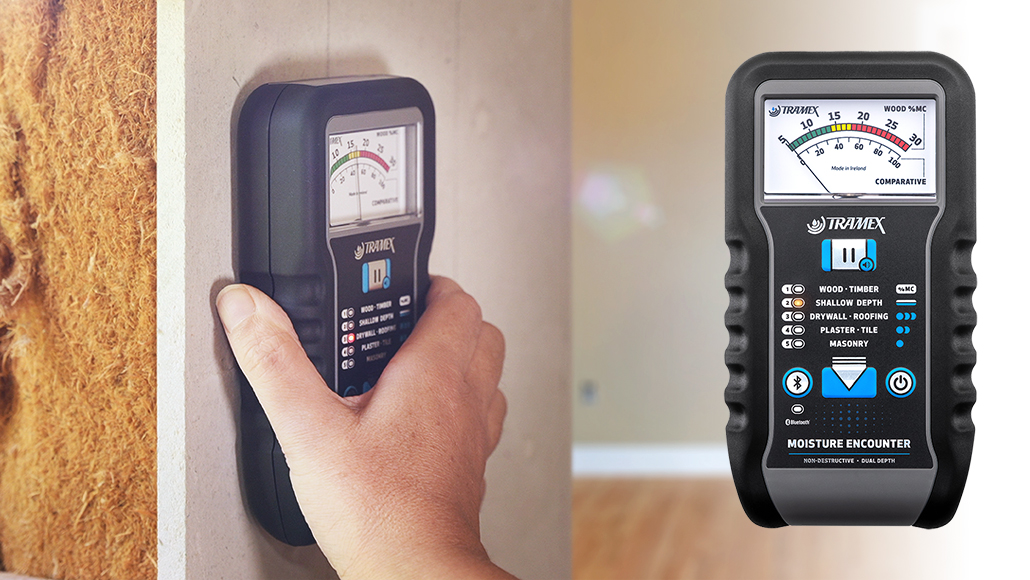
Moisture meters measure dampness inside walls and under flooring, while thermal imaging cameras help detect hidden moisture patterns without damaging surfaces.
Air samples are collected from indoor spaces and compared with outdoor air samples. Surface samples may also confirm mold growth where suspected.
Laboratory analysis then determines spore types and concentrations. Homeowners receive a detailed report explaining findings and recommended next steps.
Testing results help guide proper corrective action.
An Insight Many North Miami Homeowners Don’t Expect
One surprising lesson from many inspections is that small, unnoticed moisture problems often cause more long-term damage than major flooding events.
Large water incidents usually prompt immediate cleanup. However, minor plumbing drips or condensation problems may continue unnoticed for months.
By the time odors or humidity concerns appear, mold contamination may already be widespread behind surfaces.
Routine inspections and testing after repairs often prevent expensive remediation later.
Practical Steps to Prevent Future Mold Problems
Preventing mold growth begins with consistent moisture control.
Air-conditioning systems should receive regular maintenance to ensure condensation drains properly and humidity remains controlled.
Bathrooms and kitchens should be ventilated during cooking and showering to reduce humidity buildup.
Leaks should be repaired immediately, even if damage appears minor. Wet materials should be dried quickly after intrusion events.
Furniture should not be placed tightly against exterior walls where condensation may develop.
Periodic professional inspections and testing help confirm hidden moisture problems have not developed.
Preventive maintenance saves money over time.
Why Local Experience Matters in North Miami
Moisture behavior differs in humid coastal climates compared to inland regions. Inspectors must understand how North Miami’s humidity, storms, and building construction influence moisture movement inside homes.
Our experience inspecting properties throughout North Miami and surrounding coastal communities allows us to quickly recognize moisture patterns common to local homes and recommend practical prevention strategies suited to the region.
Local expertise leads to faster identification of risks and realistic solutions.
Practical Guidance for North Miami Property Owners
If your home develops persistent musty odors, humidity concerns, or recurring mold issues, professional mold testing helps clarify conditions before problems worsen.
QualityAir Mold Inspection & Testing provides professional mold inspection and mold testing services while coordinating remediation when necessary.
Taking action early protects indoor comfort, prevents hidden structural damage, and helps maintain long-term property value in North Miami’s humid environment.
Preventive mold testing should be viewed as part of routine home maintenance—ensuring that hidden moisture problems are corrected before they become costly repairs or ongoing air quality concerns.