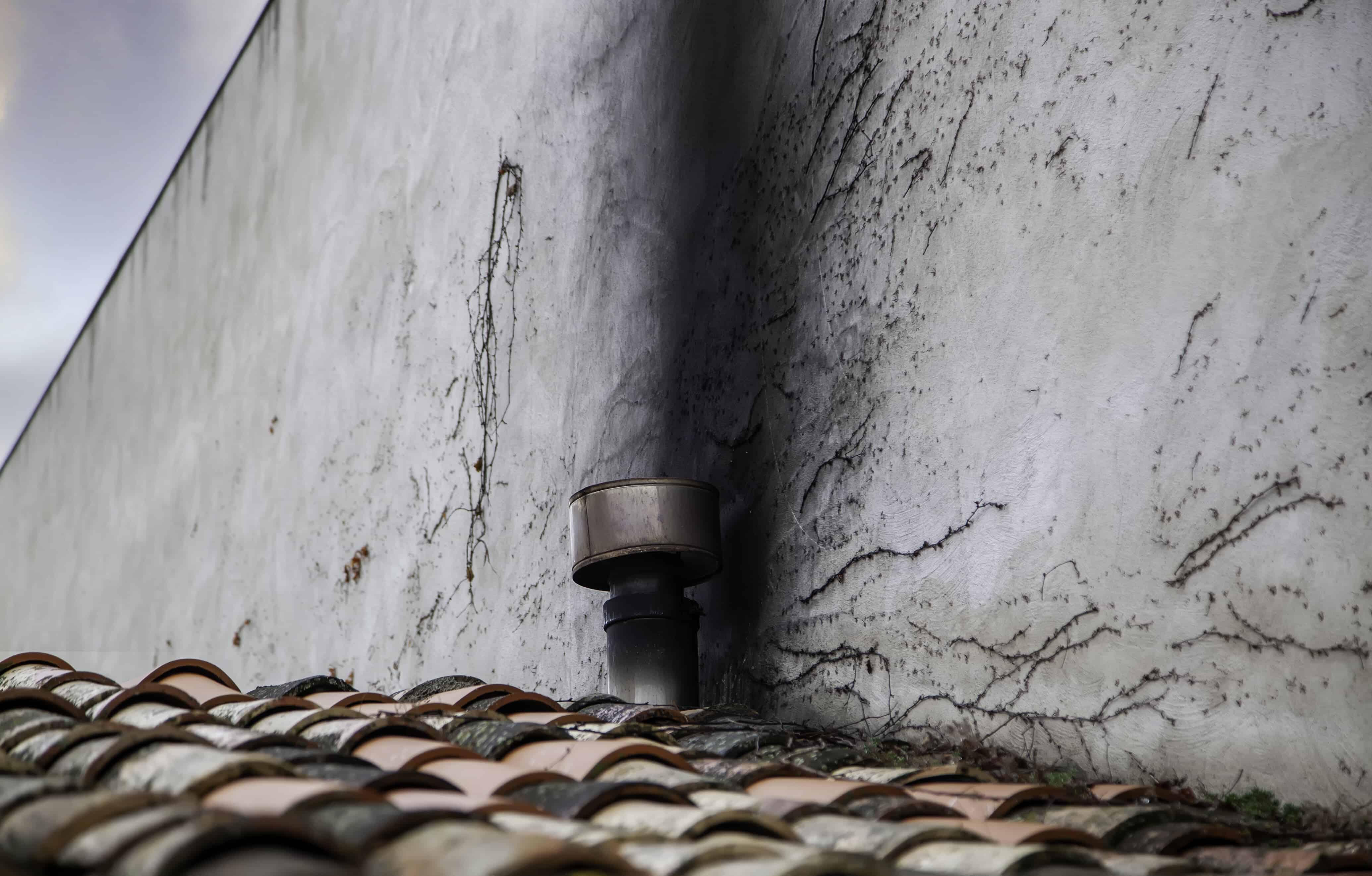
Preventing Future Problems: Smoke Damage Cleanup in Coastal Neighborhoods Near Biscayne Bay
Smoke damage is often underestimated by property owners. After a small kitchen fire, an electrical issue, or even a neighboring unit incident, many homeowners assume that once visible soot is cleaned, the problem is resolved. In coastal neighborhoods near Biscayne Bay—including North Miami, Miami Shores, and nearby waterfront communities—smoke damage can linger in ways that are not immediately visible.
Understanding how smoke damage behaves, how cleanup works, and how to prevent long-term problems helps property owners protect both their homes and indoor air quality.
What Smoke Damage Really Is
Smoke is made up of microscopic particles produced during combustion. These particles travel through the air and settle on surfaces throughout a home, often reaching areas far from the source of the fire.
Smoke residue commonly affects:
- Walls and ceilings
- Carpets and upholstery
- Air ducts and HVAC systems
- Attics and insulation
- Cabinets and closets
Even a small fire can allow smoke to circulate through an entire home, especially when HVAC systems are running.
Why Smoke Damage Can Be Worse in Coastal Areas
Homes near Biscayne Bay face conditions that can intensify smoke damage if cleanup is delayed.
High humidity levels
Moist air allows smoke residue to cling to surfaces and penetrate porous materials more deeply.
Salt air exposure
Salt and moisture in coastal air can react with smoke residue, accelerating corrosion and staining.
Frequent AC operation
Air conditioning systems can circulate smoke particles into ductwork and vents.
Tightly sealed homes
Modern coastal homes and condominiums often have limited natural ventilation, which allows odors and particles to remain trapped indoors.
These conditions mean that thorough cleanup is important not just for appearance, but for long-term maintenance.
Common Signs That Smoke Damage Cleanup Is Needed
Some effects of smoke damage are easy to recognize, while others appear gradually.
Property owners often notice:
- Lingering smoke or burnt odors
- Yellow or gray discoloration on walls or ceilings
- Fine soot on surfaces or inside cabinets
- Increased dust buildup
- Odors coming from vents when the AC runs
Even if staining appears minor, particles may be present in hidden areas of the home.
Hidden Areas Where Smoke Residue Accumulates
One of the biggest challenges with smoke damage is that particles travel beyond visible surfaces.
Common hidden locations include:
- Inside air ducts
- Behind drywall and insulation
- Inside attic spaces
- Under flooring edges and baseboards
- Inside light fixtures or ventilation openings
In coastal homes, humidity can cause these particles to bond more strongly with surfaces, making cleanup more complex if delayed.
Why DIY Smoke Cleanup Often Falls Short
It’s common for homeowners to wipe surfaces or repaint affected areas, only to notice odors returning weeks later.
DIY cleanup often fails because:
- Smoke particles remain embedded in porous materials
- Odors persist in duct systems
- Walls are sealed without proper cleaning
- Hidden soot remains in insulation or cavities
Surface cleaning alone rarely removes the microscopic particles responsible for lingering odors.
Professional Smoke Damage Inspection and Assessment
A thorough inspection helps determine the extent of smoke damage and where cleanup is needed.
An assessment may include:
- Examining walls, ceilings, and structural materials
- Inspecting HVAC systems and ductwork
- Identifying odor sources
- Checking insulation and attic areas
- Evaluating areas where soot may have settled invisibly
Professionals experienced in coastal environments understand how humidity and airflow influence smoke residue behavior. Companies such as Tip Top Water and Fire Damage Restoration often focus on both cleaning and odor control to ensure long-term results.
The Smoke Damage Cleanup Process
Proper cleanup typically follows a structured sequence designed to prevent recurring problems.
1. Removing loose soot and residue
Specialized cleaning methods remove surface particles without spreading contamination.
2. Cleaning affected materials
Walls, ceilings, and structural surfaces are cleaned using appropriate techniques.
3. Addressing odors
Odor-neutralizing processes help eliminate lingering smoke smells.
4. Cleaning HVAC and duct systems if necessary
Removing particles from ducts prevents odors from circulating through the home.
5. Restoring affected areas
Repairs or repainting may be completed after cleaning and drying.
This approach helps ensure that both visible damage and hidden contamination are addressed.
The Connection Between Smoke Damage and Indoor Air Quality
Smoke particles can remain airborne long after a fire has been extinguished. If not properly removed, these particles can affect indoor air quality.
Potential concerns include:
- Persistent odors
- Irritation caused by airborne particles
- Dust buildup from soot residue
- Circulation of particles through HVAC systems
Proper cleaning and filtration help restore normal indoor air conditions.
HVAC Systems and Smoke Residue
HVAC systems often play a major role in smoke damage.
When smoke enters ductwork, it can:
- Spread odors throughout the home
- Deposit soot inside vents
- Reduce airflow efficiency
- Circulate particles repeatedly
Inspection and cleaning of duct systems are often important steps in preventing future problems after smoke exposure.
Homes in Miami Shores, North Miami Beach, and Bal Harbour frequently rely on central air systems that can distribute smoke residue quickly if not addressed.
Practical Steps to Prevent Future Smoke Damage Problems
After cleanup is completed, property owners can take steps to reduce the risk of lingering issues.
Helpful practices include:
- Replacing HVAC filters after smoke exposure
- Scheduling duct inspections if odors persist
- Ensuring proper ventilation when cooking
- Checking electrical systems regularly
- Addressing small fires or smoke incidents promptly
Early action helps prevent odors and residue from becoming long-term problems.
Why Local Experience Matters
Smoke damage behaves differently in coastal climates than in dry regions. Homes near Biscayne Bay experience higher humidity levels, which affect how smoke residue settles and how odors persist.
Professionals familiar with local conditions understand:
- How humidity affects smoke particles
- Which materials are most affected in coastal homes
- How ventilation and airflow influence odor retention
- How to clean and dry structures effectively in humid climates
This experience helps ensure that cleanup is thorough and long-lasting.
A Calm, Practical Next Step for Property Owners
Smoke damage can seem minor at first, but ignoring it often leads to persistent odors, staining, and air quality issues. If you notice lingering smoke smells or soot after a fire or smoke incident, having the property inspected early can prevent larger problems later.
Working with experienced restoration professionals such as Tip Top Water and Fire Damage Restoration helps ensure that smoke residue, odors, and hidden contamination are properly addressed. With thorough cleanup and preventive maintenance, homeowners in coastal neighborhoods near Biscayne Bay can protect their homes and maintain clean, comfortable indoor environments.