
Preventing Future Problems: Smoke Damage Cleanup in North Miami Beach
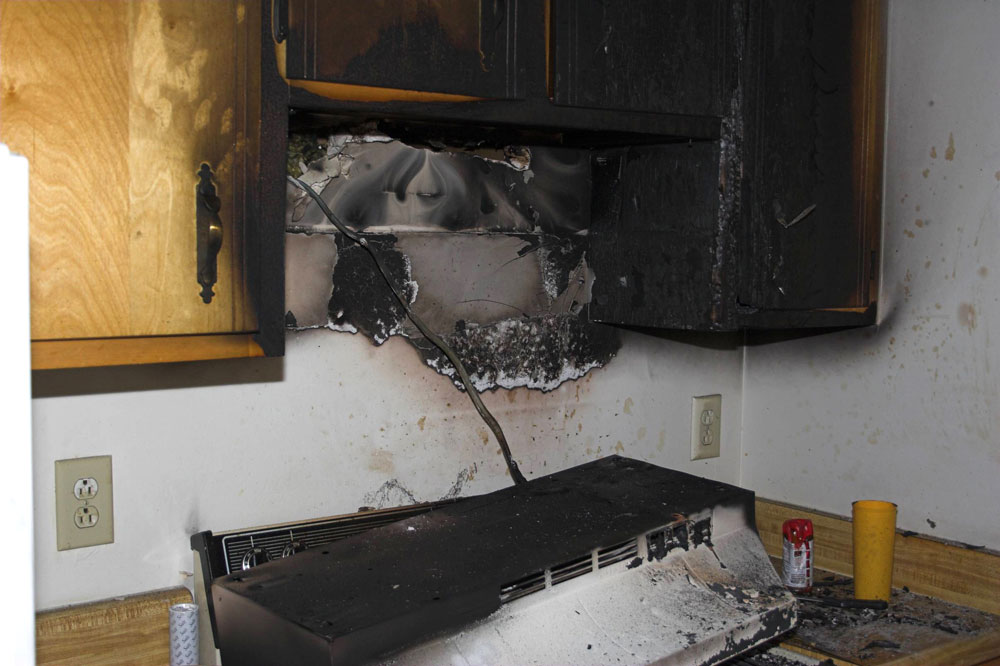
In North Miami Beach, fire damage isn’t always dramatic. Many calls come from small kitchen flare-ups, electrical issues, or appliance malfunctions that were contained quickly. The flames may be minor — but the smoke rarely is.
Smoke travels fast. It moves through vents, into closets, behind cabinets, and across ceilings. And if it isn’t cleaned properly, it lingers long after the visible soot is wiped away.
Preventing future problems after smoke damage cleanup means understanding what smoke actually does to a home — especially in South Florida’s humid coastal climate.
What Smoke Damage Really Is
Smoke damage is more than discoloration.
When materials burn, they release microscopic particles made up of chemicals, carbon, and residues. These particles settle on:
- Walls and ceilings
- Inside air ducts
- Cabinet interiors
- Insulation
- Fabric and upholstery
- AC components
In North Miami Beach homes and condos, smoke often spreads through shared ventilation systems or open layouts before homeowners even realize it.
And unlike water, smoke doesn’t dry out or evaporate. It embeds.
Why Smoke Damage Can Be Worse in Coastal Florida
North Miami Beach presents unique challenges when dealing with smoke cleanup.
High Humidity
Humidity causes soot particles to absorb moisture, turning powdery residue into sticky, acidic film.
Salt Air Exposure
Coastal air accelerates corrosion. When combined with soot residue, it increases long-term damage to metal fixtures and AC systems.
AC Systems Running Year-Round
Air handlers pull smoke particles into ductwork quickly, spreading contamination further.
High-Rise and Shared Buildings
In condo buildings near Sunny Isles Beach and Aventura, smoke can travel through ventilation shafts between units.
Even small fires in kitchens or electrical panels can leave lingering odor and corrosion if not addressed thoroughly.
Common Smoke Damage Issues in North Miami Beach Homes
Based on real local cases, we frequently see:
- Persistent odor weeks after cleanup
- Yellowing of painted walls
- Soot inside AC vents
- Corrosion on metal fixtures
- Discoloration of ceiling textures
- Cabinet interiors absorbing smoke smell
In multi-unit buildings, neighboring condos sometimes experience smoke infiltration even when there was no direct fire in their unit.
Hidden Areas Where Smoke Lingers
One of the biggest mistakes after a minor fire is focusing only on visible soot.
Smoke often settles in:
Inside Ductwork
Particles cling to duct insulation and circulate when the AC turns on.
Behind Drywall
Porous materials absorb odor and residue.
Attic Spaces
Smoke rises and collects in insulation and roof decking.
Electrical Outlets and Fixtures
Tiny openings allow smoke to enter wall cavities.
Closets and Cabinet Interiors
Closed spaces trap odor for extended periods.
In North Miami Beach properties near Bal Harbour, we’ve seen smoke odor persist due to residue embedded inside return air ducts.
Why Basic Cleaning Isn’t Enough
Homeowners often attempt to:
- Wipe walls with household cleaners
- Repaint stained surfaces
- Replace visible items
- Use air fresheners
While surface cleaning helps visually, it does not remove embedded soot from porous materials.
Painting over smoke residue without proper cleaning can trap odor and cause it to bleed through later.
Florida’s humidity makes this worse. Moist air reactivates soot residue, causing smells to resurface.
Professional Smoke Damage Cleanup Explained
Proper cleanup follows a structured process.
Assessment
Identifying how far smoke traveled and what materials are affected.
Air Filtration
Using air scrubbers to remove airborne particles.
Surface Cleaning
Specialized cleaning agents break down soot without spreading it.
Duct Inspection and Cleaning
Removing soot from HVAC systems prevents recontamination.
Odor Neutralization
Professional-grade deodorization methods eliminate embedded smells.
In some cases, damaged insulation or drywall may need removal if contamination is severe.
Tip Top Water and Fire Damage Restoration has handled smoke cleanup in North Miami Beach properties where initial surface cleaning left behind hidden contamination in attic insulation.
Air Ducts and AC Systems After Smoke Exposure
In South Florida homes, the AC system is often the most overlooked component after smoke damage.
Smoke particles can:
- Coat evaporator coils
- Settle inside duct insulation
- Circulate odor repeatedly
- Reduce airflow efficiency
Without duct inspection, even a fully cleaned home may continue to smell when the AC runs.
High-rise buildings in Aventura and Sunny Isles Beach are particularly vulnerable due to centralized ventilation systems.
Preventing Future Smoke Damage Problems
Once cleanup is complete, prevention becomes the priority.
Install Smoke Detectors in All Critical Areas
Kitchens, utility rooms, and near electrical panels.
Schedule Regular Electrical Inspections
Faulty wiring is a common source of small residential fires.
Maintain Kitchen Ventilation
Grease buildup increases fire risk.
Clean Dryer Vents Annually
Lint buildup is a frequent cause of small fires in rental units and condos.
Inspect AC Systems After Any Smoke Event
Even minor fires can contaminate ductwork.
Seal Attic Penetrations
Prevent smoke from spreading easily into insulation spaces.
In coastal environments like North Miami Beach, preventing repeat contamination is just as important as the initial cleanup.
Mold Risk After Firefighting Efforts
Even minor fires often involve water from extinguishers or sprinklers.
Moisture combined with soot creates an ideal environment for mold growth — especially in Florida’s humidity.
After smoke cleanup, it’s important to ensure:
- All damp materials are fully dried
- Insulation is inspected
- Humidity levels remain controlled
Fire damage often overlaps with water damage in North Miami Beach properties.
Why Local Experience Matters
Smoke cleanup in a dry climate differs significantly from cleanup in coastal South Florida.
Humidity, salt air, high-rise construction, and nonstop AC usage create conditions where smoke residue behaves differently.
Understanding how soot interacts with moist air and HVAC systems allows for more complete restoration.
Tip Top Water and Fire Damage Restoration approaches smoke damage cleanup with knowledge of North Miami Beach’s building types — from single-family homes to high-rise condominiums.
A Calm Path Forward
Smoke damage can feel overwhelming, even when the fire was small.
But long-term problems are preventable when cleanup is thorough and future risks are addressed.
Focus on:
- Complete residue removal
- Duct inspection
- Humidity control
- Electrical safety
- Routine maintenance
In North Miami Beach, where coastal conditions add complexity, proactive care after smoke damage protects both the structure and the air quality of your home.
Handled properly, smoke damage doesn’t have to become a recurring issue. It becomes a lesson — and an opportunity to strengthen your home against future risk.