
Preventing Future Problems: Water Damage Repair in North Miami Beach
In North Miami Beach, water damage isn’t a question of if — it’s usually a question of when.
Between heavy summer storms, hurricane season winds, king tides, aging plumbing, and constant AC use, moisture intrusion is one of the most common maintenance issues property owners face. What separates minor repairs from major restoration projects is how quickly — and how thoroughly — the damage is handled.
Water damage repair in a coastal city like North Miami Beach isn’t just about fixing what’s visible. It’s about preventing the next problem before it starts.
What Water Damage Repair Actually Involves
Many homeowners assume water damage repair means patching drywall and repainting.
In reality, proper repair includes:
- Identifying the moisture source
- Extracting standing water
- Drying structural materials
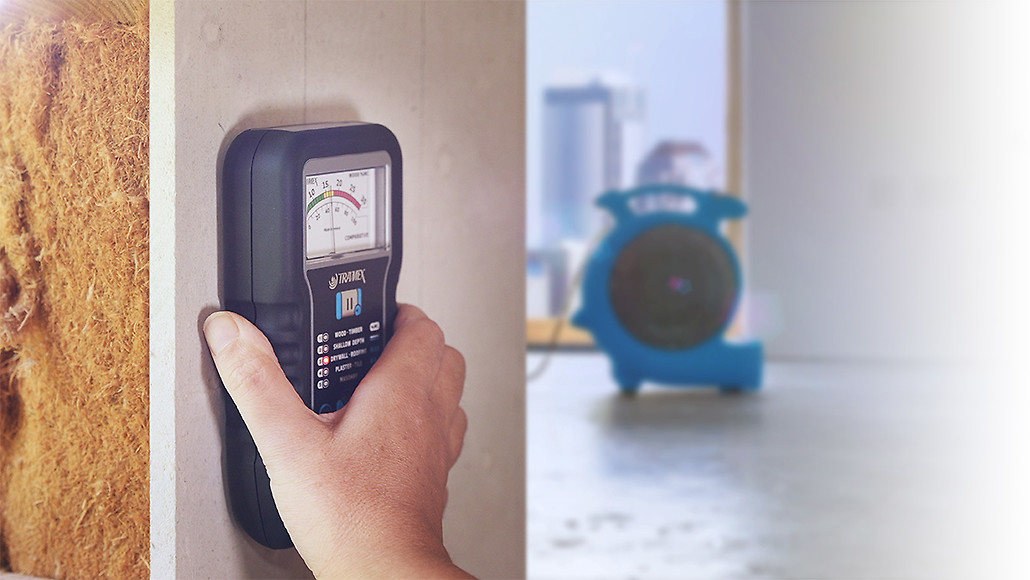
- Measuring hidden moisture
- Removing compromised materials
- Stabilizing humidity levels
- Repairing affected surfaces
If moisture isn’t fully removed, mold growth becomes the next chapter.
In South Florida’s humidity, that timeline can be short.
Why North Miami Beach Is High Risk
North Miami Beach sits near Biscayne Bay and is surrounded by canals and waterfront properties. Coastal exposure changes how water behaves inside buildings.
Local factors include:
- High year-round humidity
- Wind-driven rain during storms
- Elevated groundwater levels
- Concrete block construction
- Flat roof drainage challenges
- Tile roof flashing failures
- AC condensation buildup
Even properties that appear well-maintained can experience hidden moisture after heavy rain.
And when materials remain damp in this climate, problems multiply.
Common Causes of Water Damage in the Area
In North Miami Beach, water intrusion typically comes from:
- Roof leaks during storm season
- Sliding glass door seal failure
- Window flashing deterioration
- Plumbing line leaks
- AC drain line clogs
- Slab moisture intrusion
- Flooding from heavy rainfall
In nearby areas like Sunny Isles Beach and Aventura, high-rise condos often face balcony drainage overflow and shared plumbing stack issues.
Water finds small entry points. Over time, those small issues become structural concerns.
The Hidden Damage Most Owners Miss
Water rarely stays where it lands.
It spreads into:
- Drywall cavities
- Insulation
- Subflooring
- Baseboards
- Cabinet backing
- HVAC systems
In one North Miami Beach home near a canal, a minor roof leak left only a small ceiling stain. Moisture readings later showed elevated levels inside the wall cavity and attic insulation.
Surface repairs would have failed within months.
Moisture detection prevents that mistake.
The Importance of Immediate Drying
Time matters.
In humid climates like North Miami Beach, mold can begin forming within 24 to 48 hours if materials remain wet.
Professional drying includes:
- Water extraction
- High-capacity dehumidifiers
- Air movers
- Moisture mapping
- Continuous monitoring
Simply running fans is rarely sufficient in coastal humidity.
Drying must be measured — not guessed.
Repairing Structural Materials the Right Way
After drying, repair begins.
This may involve:
- Replacing saturated drywall
- Removing damaged insulation
- Repairing warped baseboards
- Treating affected framing
- Restoring flooring
- Cleaning or replacing carpet padding
In slab-on-grade homes common in Biscayne Park and North Miami Beach, subfloor moisture must be tested carefully before reinstalling flooring.
Skipping that step often leads to trapped moisture and mold growth under new materials.
HVAC Systems and Water Damage
Air conditioning systems are a common moisture source.
In coastal South Florida, AC systems run nearly year-round, which can lead to:
- Condensation buildup
- Drain pan overflow
- Clogged condensate lines
- Moisture inside ductwork
Water damage repair should always include inspection of HVAC systems.
If the source of moisture is inside the AC system, repairs will not hold unless the root issue is corrected.
Air duct cleaning and drainage correction may be necessary to prevent recurrence.
Flood Restoration in Coastal Neighborhoods
North Miami Beach properties near water face additional risks during hurricane season and heavy storms.
Flood restoration may involve:
- Removing contaminated water
- Sanitizing affected surfaces
- Drying structural framing
- Inspecting electrical systems
- Replacing heavily saturated materials
Saltwater intrusion is especially damaging due to corrosive effects.
Prompt response limits structural deterioration.
Prevention: The Real Goal of Repair
Effective water damage repair isn’t just about restoring what was damaged. It’s about preventing the next incident.
Property owners can reduce future risk by:
- Inspecting roofs before storm season
- Maintaining gutters and flat roof drains
- Monitoring AC drain lines
- Sealing windows and sliding doors
- Checking balcony drainage systems
- Addressing leaks immediately
- Scheduling periodic moisture inspections
Homes near canals or bayfront areas require extra vigilance due to elevated water tables.
Routine maintenance is always less expensive than full remediation.
Why DIY Repairs Often Lead to Repeat Damage
Quick cosmetic repairs often hide unresolved moisture.
DIY fixes may overlook:
- Subfloor saturation
- Wall cavity dampness
- Insulation moisture
- HVAC contamination
- Elevated indoor humidity
Without professional moisture detection tools, hidden water can remain behind freshly painted walls.
In North Miami Beach’s climate, that moisture rarely resolves itself.
Why Local Experience Matters
Water damage repair in North Miami Beach is not the same as repair in inland Florida.
Local professionals understand:
- Coastal wind patterns
- King tide flooding risks
- Concrete block moisture behavior
- Slab foundation retention
- High-rise building envelope systems
- Hurricane-driven rain intrusion
Experience working in North Miami Beach, Sunny Isles Beach, Aventura, and surrounding coastal communities allows faster identification of vulnerable areas.
Tip Top Water and Fire Damage Restoration approaches water damage repair with that local understanding — focusing on long-term structural stability rather than temporary cosmetic fixes.
A Practical Approach Moving Forward
If your North Miami Beach property experiences water intrusion, treat it as a structural issue — not a surface problem.
Act quickly. Dry thoroughly. Measure moisture levels. Address the source.
Water damage repair done correctly protects your property from mold, structural deterioration, and recurring maintenance costs.
In coastal South Florida, prevention begins the moment water is discovered.
Stay proactive, monitor moisture, and approach repairs methodically.
That’s how property owners in North Miami Beach protect their investment and avoid future problems in one of Florida’s most moisture-prone environments.