Preventing Future Problems: Water Leak Detection in Miami Shores
Water leaks are among the most common and insidious problems faced by homeowners in coastal communities like Miami Shores. While a small leak may seem harmless at first, even minor moisture intrusion can quickly escalate into structural damage, mold growth, and costly repairs if left undetected. In waterfront and inland properties alike, timely detection is essential to prevent long-term issues and maintain the health of your home.
Water leak detection is more than just finding puddles or dripping pipes—it involves identifying hidden sources of water before they create visible problems. This practical guide explains how leaks develop in Miami Shores homes, what signs to look for, how detection works, and the maintenance strategies homeowners can use to protect their properties.
Why Water Leaks Are Particularly Risky in Miami Shores
Miami Shores’ unique coastal environment creates conditions that make water leaks especially problematic.
1. High Year-Round Humidity
Humidity levels frequently exceed 60%, making it easier for small leaks to saturate building materials quickly. Walls, ceilings, and floors can retain moisture long after a visible leak has stopped, creating an environment conducive to mold growth.
2. Aging Plumbing in Older Homes
Many homes in Miami Shores were built decades ago. Older plumbing systems, including galvanized pipes, worn-out fittings, and corroded connections, increase the likelihood of leaks. Even modern homes may experience water intrusion from poorly installed fixtures or inadequate sealing.
3. Coastal Weather Events
Hurricanes, tropical storms, and heavy rain can drive water through roofs, windows, and doors. Wind-driven rain often infiltrates areas that appear structurally sound. Waterfront and bayfront properties are particularly at risk of saltwater intrusion, which accelerates material deterioration.
4. HVAC Systems and AC Condensation
Air conditioning systems in Miami Shores run year-round. Condensate lines can clog, drip pans may overflow, and insulation around ducts can absorb water, all contributing to hidden leaks. A malfunctioning AC system can quietly saturate ceilings, walls, and flooring without immediate detection.
Common Signs of Water Leaks
Detecting leaks early requires careful observation. Homeowners should watch for both obvious and subtle signs.
Visible Indicators
- Stains on ceilings, walls, or baseboards
- Warping or buckling of wood flooring
- Bubbling or peeling paint
- Dripping or pooling water around fixtures or appliances
Hidden Indicators
- Musty or damp odors
- Increased indoor humidity
- Cold spots or condensation on walls and windows
- Mold or mildew growth behind cabinets or under flooring
- Water meter inconsistencies (higher-than-normal readings)
Even if these signs are minor, they can indicate a leak that may cause significant structural damage if unaddressed.
Hidden Sources of Water Intrusion
Leaks often originate in areas that are not immediately visible, making professional detection tools valuable.
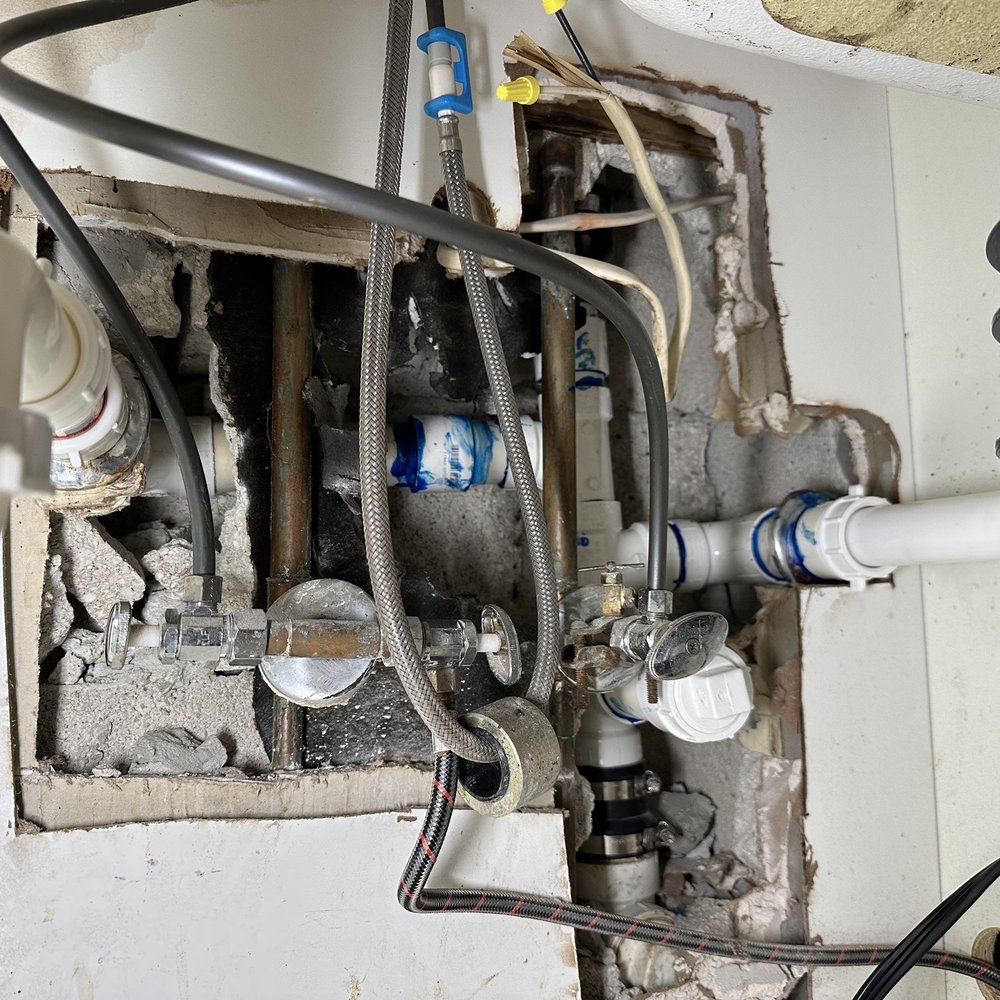
- Plumbing Lines: Pipes running behind walls, under floors, or through ceilings
- Appliances: Dishwashers, washing machines, ice makers, and water heaters
- Roof and Flashing: Small cracks or gaps can allow rainwater into attics and walls
- Windows and Doors: Failed seals or weatherstripping let water penetrate exterior walls
- HVAC Systems: Condensate leaks and ductwork issues
Water can migrate from its entry point to distant areas, meaning the visible symptom may not reflect the source. Detecting leaks early prevents more extensive damage.
Tools and Techniques for Effective Leak Detection
Professional water leak detection in Miami Shores relies on advanced tools to identify moisture hidden from plain sight.
1. Moisture Meters
Measure the water content of building materials like drywall, wood, and concrete. Elevated readings highlight areas at risk for damage or mold.
2. Thermal Imaging Cameras
Infrared cameras detect temperature differences caused by moisture within walls or ceilings, allowing inspectors to locate leaks without demolition.
3. Acoustic Leak Detectors
Use sound waves to identify water movement in pressurized pipes. This is particularly useful for slab or underground plumbing systems.
4. Hygrometers
Measure relative humidity indoors to assess whether moisture levels are conducive to mold growth.
5. Video Inspection Tools
Small cameras can be inserted into drains, plumbing lines, or wall cavities to visually identify leaks.
Steps for Homeowners After a Leak Is Suspected
Prompt action reduces long-term damage. Recommended steps include:
- Turn off water sources if a major leak is suspected.
- Remove or protect belongings from affected areas.
- Use fans or dehumidifiers to reduce humidity.
- Schedule professional inspection for hidden leaks and structural evaluation.
- Document the issue for insurance purposes.
Early detection and action can prevent mold, wood rot, and corrosion of electrical components.
The Connection Between Water Leaks and Mold
Mold growth begins quickly in warm, humid environments like Miami Shores. Even minor leaks can create damp conditions where spores proliferate. Mold often develops within 24–72 hours of moisture accumulation.
Key preventive strategies include:
- Thorough drying of affected areas
- Remediation of leaks before mold growth occurs
- Inspecting hidden areas like ducts, wall cavities, and attics
- Regular humidity monitoring
Proper leak detection is therefore an integral part of mold prevention and indoor air quality management.
Long-Term Maintenance and Prevention
Preventing future leaks requires both proactive maintenance and structural awareness.
Plumbing Maintenance
- Inspect older pipes for corrosion or leaks
- Replace aging water heaters and fixtures
- Ensure shutoff valves are accessible and functional
Roof and Exterior Care
- Inspect and repair flashing, shingles, and seals before storm season
- Clean gutters and downspouts regularly
- Seal windows and doors against water intrusion
HVAC and AC Systems
- Maintain condensate lines and drip pans
- Schedule routine service to prevent hidden leaks
- Monitor indoor humidity and adjust settings as necessary
Subfloor and Slab Considerations
- Check for signs of moisture beneath flooring, especially in slab-on-grade homes
- Install moisture barriers if necessary
- Investigate any soft spots or warping promptly
Benefits of Early Leak Detection
Early identification of water leaks provides several benefits for homeowners:
- Reduced repair costs
- Lower risk of mold growth
- Preservation of structural integrity
- Prevention of secondary damage to furniture, flooring, and personal items
- Improved indoor air quality
- Protection of property value in a competitive coastal market
Professional Expertise Matters
Water leak detection in Miami Shores is not just about finding puddles. It requires understanding of local environmental conditions, building practices, and material vulnerabilities. Professionals, such as those at Tip Top Water and Fire Damage Restoration, combine experience with specialized equipment to locate hidden leaks and recommend effective solutions.
Local expertise ensures:
- Accurate identification of leak sources
- Minimization of invasive inspections
- Targeted drying and remediation strategies
- Prevention of recurring leaks and long-term damage
Practical Takeaways for Homeowners
- Watch for subtle signs of leaks, not just obvious water.
- Schedule regular inspections, especially in older homes or waterfront properties.
- Maintain AC systems and plumbing proactively.
- Consider professional moisture monitoring and thermal imaging after storms.
- Act quickly if leaks are suspected to prevent mold and structural damage.
Conclusion
Water leaks in Miami Shores can appear minor but often carry significant hidden risks. Early detection is the key to preventing structural damage, mold growth, and costly repairs. By understanding the sources of water intrusion, recognizing warning signs, and taking proactive maintenance steps, homeowners can protect both their investment and the comfort of their living spaces.
Preventing future problems requires a combination of awareness, routine maintenance, and professional intervention when needed. In a coastal environment where humidity, storms, and aging infrastructure increase vulnerability, staying vigilant about water leak detection ensures a safe, healthy, and well-maintained home for years to come.