Preventive Measures That Save Money: Water Removal Challenges in Biscayne Park
Biscayne Park, a charming residential community in North Miami, is known for its tree-lined streets, historic homes, and close proximity to Biscayne Bay. While living in such a picturesque environment offers many benefits, it also comes with its share of unique challenges — especially when it comes to water management. Water intrusion, whether from heavy seasonal rains, plumbing issues, or AC system failures, is a common problem in this area. Addressing it promptly through professional water removal and preventive measures can save homeowners significant time, money, and stress.
Water removal in Biscayne Park is not always straightforward. Older homes with slab foundations, high humidity, and coastal air exposure require more than standard drying techniques. Left unchecked, water can cause structural damage, mold growth, and persistent odors — all of which escalate costs dramatically over time.
This article explores the challenges of water removal in Biscayne Park homes, the importance of preventive strategies, and how local expertise ensures long-term protection.
Understanding Water Intrusion in Biscayne Park
Water intrusion in Biscayne Park can originate from multiple sources:
- Heavy Seasonal Rainfall: South Florida experiences frequent, intense storms. Wind-driven rain often finds its way into small openings around windows, doors, and roofs.
- High Humidity: Moisture from the air can condense on walls, floors, and AC components, creating hidden damp spots.
- Plumbing Failures: Leaky pipes, water heaters, and appliances can introduce large amounts of water into living spaces quickly.
- Slab Foundations: Many homes in Biscayne Park are built on slabs. Water can seep beneath flooring and become trapped, complicating removal efforts.
- Air Conditioning Condensation: AC systems operating in high-humidity environments often create excess moisture if drains or coils malfunction.
Even a small water leak can escalate quickly if preventive measures are not in place. The combination of slab foundations, high humidity, and coastal proximity increases the likelihood of hidden water damage.
Why Water Removal Is Critical
Prompt water removal is essential for several reasons:
- Prevent Structural Damage: Water can warp wood, compromise subflooring, and weaken drywall.
- Reduce Mold Risk: Mold can begin growing within 24–48 hours in humid conditions. Early removal prevents extensive contamination.
- Protect Indoor Air Quality: Stagnant water and moisture encourage bacterial growth and musty odors.
- Avoid Costly Repairs: Delayed intervention leads to replacement of flooring, drywall, and cabinetry.
In Biscayne Park, where older homes are prevalent, even minor water events can result in expensive structural and cosmetic damage if not addressed immediately.
Common Challenges in Water Removal
1. Hidden Moisture
Water often penetrates areas that are not immediately visible:
- Under hardwood, tile, or carpet
- Inside walls and baseboards
- Behind cabinetry and built-ins
- Within AC or duct systems
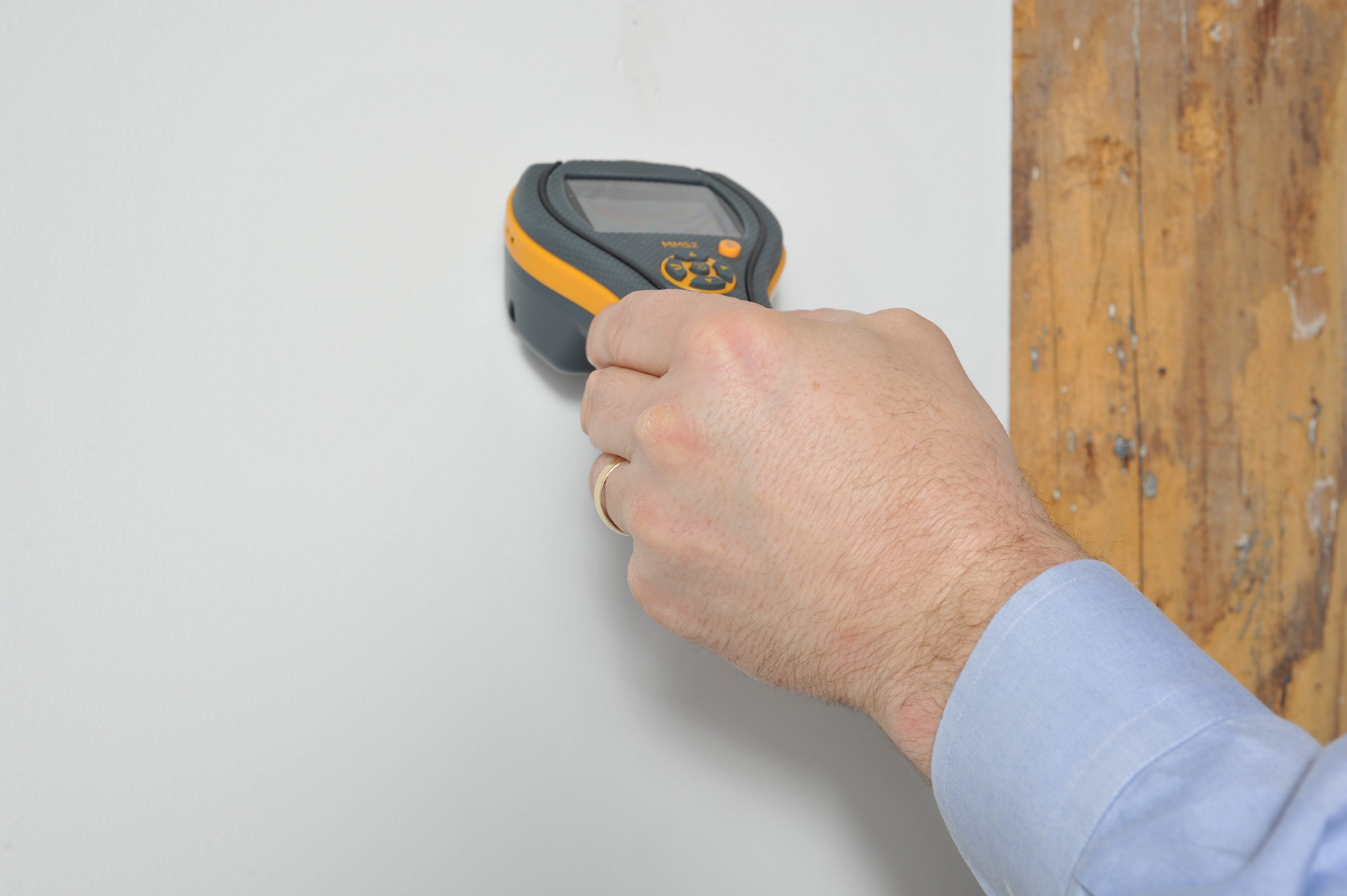
Without specialized equipment such as moisture meters or thermal imaging, these hidden pockets remain wet, promoting mold and rot.
2. High Humidity
Even after visible water is removed, the ambient humidity in Biscayne Park homes slows drying. Subflooring, insulation, and walls can retain moisture for weeks without active intervention.
3. Older Home Construction
Many Biscayne Park homes were built decades ago with older plumbing, electrical systems, and materials. These structures are more vulnerable to water penetration and may require careful restoration to avoid further damage.
4. AC System Interference
Malfunctioning AC units often exacerbate water issues by producing condensation or by spreading moisture through ductwork. Neglecting this can lead to persistent dampness and secondary contamination.
Effective Water Removal Techniques
Professional water removal in Biscayne Park homes involves several steps:
1. Initial Assessment
- Identify the water source
- Determine the extent of penetration
- Classify water type: clean, gray, or black water
- Check for structural vulnerabilities and potential mold growth
2. Water Extraction
- High-capacity wet vacuums and truck-mounted extraction equipment remove standing water from floors and carpets.
- Subfloor moisture is addressed with lifting and drying techniques.
3. Drying and Dehumidification
- Industrial air movers and dehumidifiers accelerate drying in slabs, walls, and attics.
- Continuous monitoring with moisture meters ensures areas are completely dry.
4. Cleaning and Sanitization
- Surfaces affected by gray or black water are sanitized to prevent bacteria and odor issues.
- Carpets, upholstery, and padding are treated with antimicrobial solutions.
5. Structural Restoration
- Drywall, baseboards, and flooring are repaired or replaced if water damage is severe.
- AC units, ductwork, and insulation are inspected for residual moisture.
This systematic approach ensures complete remediation and prevents recurring water issues.
Preventive Measures That Save Money
Investing in preventive measures before a water incident occurs can save homeowners thousands of dollars in restoration costs. Key strategies include:
1. Regular AC Maintenance
- Ensure condensate lines are clear and drip pans are functional.
- Inspect coils and insulation to prevent leaks and excess moisture.
2. Plumbing Inspections
- Routine checks of water heaters, pipes, and appliances identify leaks early.
- Replacing aging plumbing reduces the risk of sudden failures.
3. Roof and Window Sealing
- Properly seal flashing, windows, and doors to prevent wind-driven rain intrusion.
- Regular inspections of roofs, gutters, and downspouts prevent water accumulation.
4. Moisture Monitoring
- Periodic use of moisture meters or professional inspections detects hidden water before it causes damage.
- Installing smart sensors can alert homeowners to leaks in real time.
5. Landscape Grading and Drainage
- Ensure soil slopes away from the foundation to minimize water intrusion.
- Maintain proper drainage systems to prevent pooling near slabs or basements.
6. Protective Flooring and Sealants
- In high-risk areas, moisture-resistant materials or sealants under flooring can prevent water absorption.
By implementing these measures, homeowners reduce both the likelihood of water intrusion and the severity of damage if it occurs.
Long-Term Benefits of Preventive Water Management
Taking preventive steps offers several advantages:
- Lower Restoration Costs: Early detection reduces the need for extensive repairs.
- Improved Property Value: Homes with well-maintained foundations, roofing, and plumbing remain more attractive to buyers.
- Enhanced Indoor Air Quality: Preventing standing water and moisture accumulation keeps mold and bacteria at bay.
- Peace of Mind: Homeowners can enjoy waterfront living without the constant worry of hidden water damage.
Preventive strategies are especially valuable in Biscayne Park, where environmental conditions and older structures increase water damage risks.
The Role of Local Expertise
Water removal in Biscayne Park is not a one-size-fits-all process. Local professionals understand:
- Coastal weather patterns and stormwater behavior
- Common construction methods in Biscayne Park homes
- Salt-air exposure and its effect on materials
- Humidity patterns that influence drying and mold growth
Tip Top Water and Fire Damage Restoration provides targeted solutions based on these local factors, ensuring efficient water removal and preventive planning that maximizes long-term protection.
A Calm, Strategic Approach
Water intrusion in Biscayne Park is stressful, but with proper planning, its impact can be minimized. Homeowners should:
- Act quickly after water events
- Use professional extraction and drying methods
- Monitor for hidden moisture
- Implement preventive measures to reduce future risk
By combining prompt intervention with long-term planning, homeowners can save money, protect property integrity, and maintain a safe, healthy living environment in their bayfront homes.