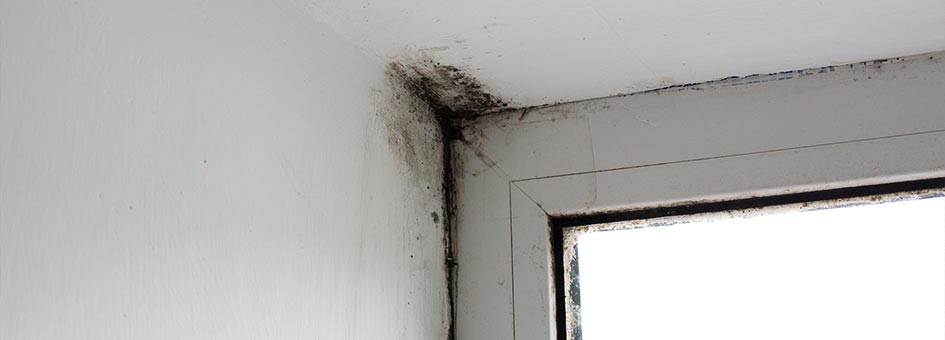
Property Maintenance Insights: Black Mold Removal in Bal Harbour
Black mold is one of the most serious moisture-related problems property owners encounter in coastal communities. In Bal Harbour, where humidity levels remain high for much of the year and air conditioning systems run constantly, conditions often allow mold to develop in areas that are rarely inspected. Understanding how black mold forms, how removal works, and what maintenance practices help prevent it is essential for protecting both the structure of a home and the quality of the indoor environment.
Looking at real situations from homes and condominiums in Bal Harbour and nearby communities such as Surfside, Sunny Isles Beach, and North Miami Beach provides valuable insight into how mold develops and how it can be prevented through proper maintenance.
What Black Mold Means for Property Maintenance
Black mold is not just a cosmetic problem. It often indicates that moisture has been present for an extended period. Mold feeds on organic materials commonly found in homes, including:
- Drywall and paint
- Wood framing and trim
- Insulation
- Carpet backing and padding
- Dust and debris in ducts
Once mold develops, simply cleaning the surface rarely solves the problem. Effective removal requires identifying and correcting the moisture source that allowed mold to grow.
Why Mold Problems Are Common in Bal Harbour
Several local conditions make mold a frequent maintenance concern in Bal Harbour.
High humidity year-round
Moisture in the air slows drying and allows damp materials to remain wet longer.
Coastal air exposure
Salt and moisture in the air affect building materials and HVAC systems, sometimes accelerating deterioration.
Frequent storms and wind-driven rain
Heavy rain can lead to roof leaks, window intrusion, and moisture entering wall cavities.
Continuous air conditioning use
Condensate line clogs or air handler leaks often create hidden moisture problems.
Tightly sealed buildings
Modern construction improves energy efficiency but can limit airflow, trapping humidity indoors.
These conditions mean that even small moisture issues can develop into mold problems if not addressed promptly.
Lessons Learned from Local Properties
Real situations from homes in Bal Harbour highlight patterns that property owners should be aware of.
Air handler closets are frequent trouble spots
Condensation and restricted airflow often lead to mold growth in these areas.
Small plumbing leaks can cause widespread damage
Slow leaks inside walls sometimes allow mold to spread before visible staining appears.
Attics are often overlooked
Roof leaks may soak insulation for weeks before signs appear inside living areas.
Delayed action increases repair costs
Homes where moisture was addressed quickly usually required less extensive remediation.
These observations show how regular inspections and maintenance can prevent major problems.
Early Signs That Black Mold May Be Developing
Black mold often begins quietly, but homes usually show warning signs before damage becomes severe.
Property owners may notice:
- Musty or damp odors
- Dark spots on walls or ceilings
- Peeling paint or bubbling drywall
- Water stains that reappear after cleaning
- Increased indoor humidity
- Odors coming from vents
These signs often indicate hidden moisture that should be inspected.
Hidden Areas Where Mold Commonly Develops
Some of the most significant mold problems occur in areas that are not visible during daily use.
Common hidden locations include:
- Inside wall cavities
- Behind cabinets and appliances
- Beneath carpet or flooring
- Inside air ducts and insulation
- Attic insulation and roof decking
In waterfront and bayfront homes, humidity alone can sometimes cause condensation in enclosed spaces, allowing mold to develop even without a major leak.
Why DIY Mold Removal Often Fails
Many homeowners attempt to clean mold using household cleaners. While this may remove visible growth, it usually does not address the root cause.
DIY removal often fails because:
- Moisture sources remain untreated
- Mold inside porous materials is not removed
- Hidden growth continues behind surfaces
- Humidity levels remain high
Without correcting moisture conditions, mold frequently returns.
Professional Mold Inspection and Moisture Detection
Effective mold removal begins with a detailed inspection to determine where mold is growing and why.
A thorough assessment may include:
- Measuring humidity levels
- Inspecting HVAC systems and ductwork
- Checking attics and insulation
- Using moisture detection tools to locate hidden damp areas
- Evaluating ventilation and airflow
Professionals familiar with coastal environments understand how humidity and building materials interact. Companies such as Tip Top Water and Fire Damage Restoration often begin with moisture detection to ensure that remediation addresses the true source of the problem.
The Mold Removal and Remediation Process
Once the extent of the mold problem is identified, removal typically follows a structured process.
1. Correcting the moisture source
Leaks, condensation issues, or ventilation problems are repaired first.
2. Containment of affected areas
Containment prevents mold spores from spreading to other parts of the home.
3. Removing contaminated materials if necessary
Heavily affected drywall, insulation, or carpet may need replacement.
4. Cleaning and treating structural surfaces
Specialized methods remove mold from framing and other materials.
5. Thorough drying
Drying equipment ensures moisture levels return to safe ranges.
This systematic approach helps prevent mold from returning after remediation.
When Mold Removal Includes Water Damage Repair
Mold often develops after water damage, even from relatively small leaks.
Common causes include:
- Roof leaks after storms
- Plumbing failures
- AC condensate line clogs
- Minor flooding or standing water
Proper drying is essential before repairs are completed. Moisture trapped in materials can allow mold to return if not fully removed.
HVAC Systems and Black Mold
HVAC systems play a major role in both causing and preventing mold problems.
Potential concerns include:
- Condensation forming inside ducts
- Mold growth on duct insulation
- Air handler leaks
- Reduced airflow due to debris or moisture
Routine inspection and maintenance of HVAC systems help reduce moisture buildup and improve indoor air quality.
In coastal communities such as Bal Harbour and Miami Shores, maintaining HVAC systems is one of the most effective preventive measures.
Practical Maintenance Tips to Prevent Mold
Property owners can reduce the risk of future mold problems by following a few routine maintenance practices:
- Schedule annual HVAC inspections
- Flush AC condensate lines regularly
- Repair leaks promptly
- Monitor indoor humidity levels
- Inspect attics and closets periodically
- Ensure proper ventilation in kitchens and bathrooms
These habits help prevent moisture from accumulating and creating conditions where mold can grow.
Why Local Experience Matters
Mold behavior in coastal South Florida differs significantly from what occurs in drier climates. Homes in Bal Harbour and nearby communities face constant humidity exposure, salt air, and seasonal storms that influence how moisture behaves.
Professionals familiar with local conditions understand:
- Where mold commonly develops in coastal homes
- How humidity affects drying times
- Which materials are most vulnerable
- How ventilation systems perform in humid environments
This knowledge helps ensure that mold removal and preventive maintenance are effective and long-lasting.
A Practical Next Step for Property Owners
Black mold can seem overwhelming, but it is manageable when addressed early. If you notice musty odors, stains, or visible mold, having the property inspected helps identify the moisture source before damage spreads further.
Working with experienced restoration professionals such as Tip Top Water and Fire Damage Restoration helps ensure that mold and underlying moisture issues are properly handled. With routine maintenance and early action, property owners in Bal Harbour and surrounding coastal communities can keep their homes dry, healthy, and well protected for the long term.