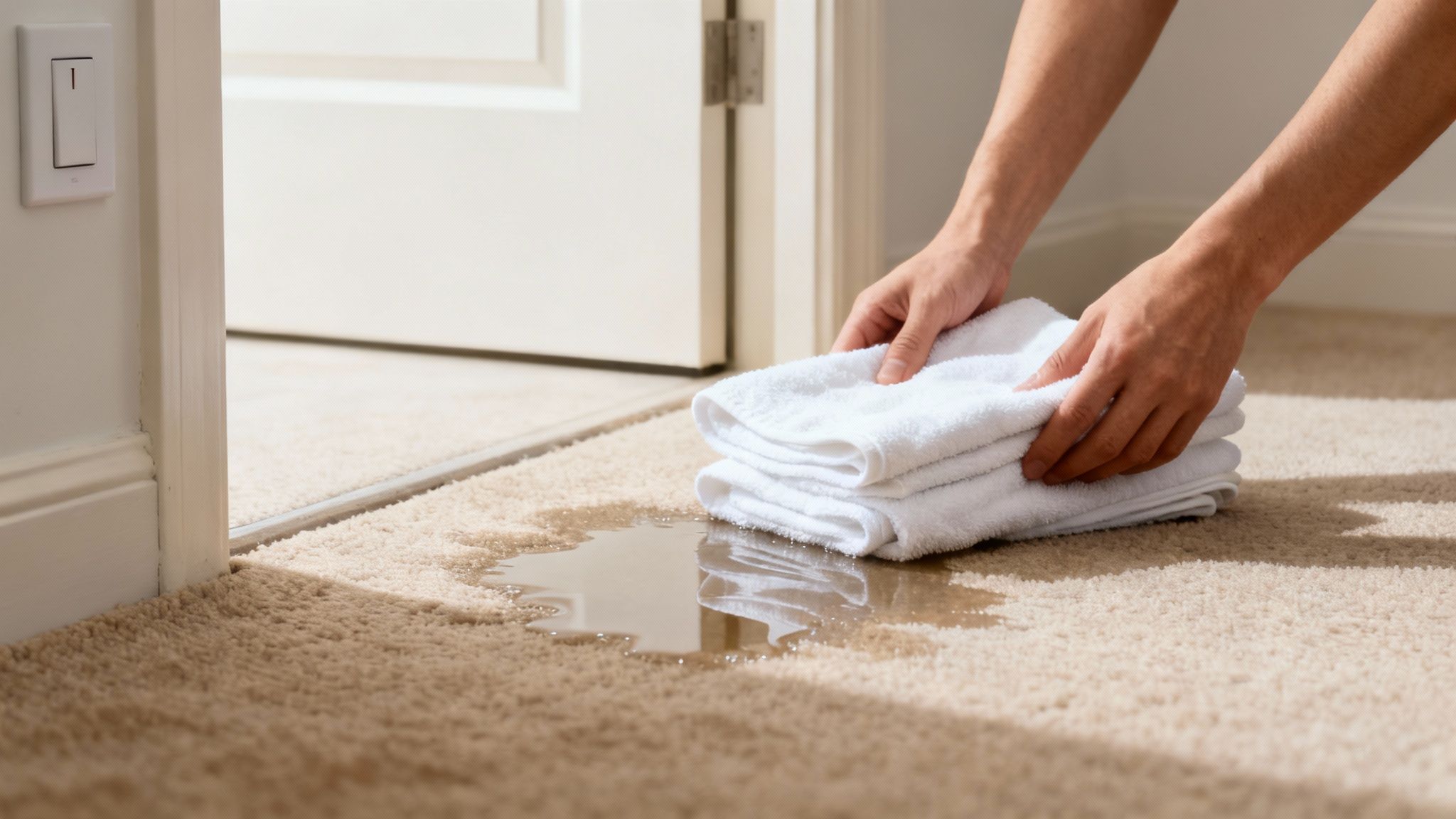
Property Maintenance Insights: Carpet Cleaning After Water Damage in Bal Harbour
Water damage is one of the most common property maintenance issues in Bal Harbour. Whether caused by storms, plumbing failures, AC condensation, or appliance leaks, water intrusion can quickly affect flooring and carpeting. In coastal communities, carpets are especially vulnerable because humidity slows drying and allows moisture to remain trapped in padding and subfloor materials.
What Happens to Carpets After Water Damage
Carpets act like large sponges. When water enters a room, carpet fibers absorb moisture quickly, and the padding beneath often holds even more water than the surface layer.
If not properly cleaned and dried, carpets can develop:
- Persistent odors
- Fiber deterioration
- Bacterial growth
- Mold formation beneath the surface
- Staining and discoloration
In humid environments like Bal Harbour and nearby Surfside, moisture trapped in carpets can remain for days if not professionally dried, increasing the risk of structural damage and mold growth.
Why This Happens So Often in Bal Harbour
Coastal neighborhoods face unique conditions that make carpet damage more likely after water intrusion.
Common contributing factors include:
- High year-round humidity
- Storm-driven rain and coastal flooding
- AC systems that produce condensation
- Plumbing systems in multi-story buildings
- Salt air that accelerates material wear
Homes and condominiums near the shoreline often have tightly sealed interiors to maintain cooling efficiency, which reduces airflow and slows drying after a water incident.
Properties in nearby North Miami Beach, Aventura, and Miami Shores experience similar conditions, especially during the rainy season.
Common Signs Carpets Need Professional Cleaning
After a water event, some signs of carpet damage appear quickly, while others develop gradually.
Property owners often notice:
- Damp or musty odors
- Carpet that feels cool or slightly damp to the touch
- Darkened or uneven coloration
- Wrinkling or lifting of carpet edges
- Odor that returns even after surface drying
These signs often indicate that moisture remains in the padding or subfloor beneath the carpet.
Hidden or Overlooked Moisture Sources
Even when a carpet appears dry on the surface, moisture may still be present underneath.
In Bal Harbour properties, hidden moisture often comes from:
- Slow plumbing leaks
- AC drain line issues
- Water migrating from adjacent rooms
- Moisture trapped under heavy furniture
- Humidity reabsorbed by carpet fibers
High humidity levels in coastal homes make it easier for carpets to reabsorb moisture from the air if drying is incomplete.
Why DIY Carpet Cleaning After Water Damage Often Fails
Many homeowners attempt to dry carpets using fans or household wet vacuums. While these methods may remove some surface moisture, they rarely dry the padding and subfloor completely.
DIY methods often fail because:
- Moisture remains trapped beneath the carpet
- Household equipment lacks sufficient airflow
- Odors and bacteria remain in padding
- Drying may be uneven, leading to mold growth
Improper drying can also cause carpets to shrink, buckle, or develop permanent odors.
Professional Inspection and Moisture Detection
Before cleaning begins, a thorough inspection helps determine how much water the carpet and surrounding materials have absorbed.
Professional inspections typically include:
- Moisture meter readings
- Inspection of padding and subfloor
- Identifying the water source
- Checking baseboards and adjacent walls
In coastal environments, inspections often reveal that moisture has spread farther than expected, especially along walls and under furniture.
The Proper Carpet Cleaning and Drying Process
Effective carpet cleaning after water damage involves more than shampooing or surface cleaning. The goal is to remove water, eliminate contaminants, and restore materials safely.
A typical process includes:
- Water extraction using high-powered equipment
- Lifting carpets when necessary to dry padding
- Drying with professional air movers and dehumidifiers
- Cleaning and sanitizing carpet fibers
- Monitoring moisture levels until materials are fully dry
This process helps prevent odors, structural damage, and mold growth.
Water Removal and Structural Drying
Carpet cleaning is often part of a larger water removal process. Structural drying ensures that moisture does not remain trapped in walls, flooring, or subfloor materials.
In Bal Harbour homes and condominiums, drying may also involve:
- Baseboard removal if water traveled behind walls
- Drying inside wall cavities
- Monitoring humidity levels over several days
Prompt drying is essential because mold can begin developing within 24 to 48 hours in warm, humid conditions.
Air Ducts, AC Systems, and Moisture
Air conditioning systems play a major role in both moisture problems and drying solutions. If ducts contain moisture or debris, they may circulate humid air and slow drying.
Signs that HVAC systems may need attention include:
- Persistent damp odors even after cleaning
- Uneven cooling or humidity levels
- Residue or dust around vents
Cleaning ducts and maintaining AC systems helps prevent recurring moisture problems.
How to Prevent Future Carpet Damage
Preventive maintenance can significantly reduce the risk of water damage affecting carpets.
Helpful steps include:
- Inspect plumbing regularly
- Service AC systems annually
- Address leaks immediately
- Use dehumidifiers when humidity is high
- Schedule periodic moisture inspections
These measures are especially important in coastal areas where humidity remains high most of the year.
Why Local Experience Matters
Carpet cleaning after water damage in coastal communities requires an understanding of how humidity, salt air, and building construction affect drying times.
Homes in Bal Harbour and surrounding areas often require longer drying periods and careful moisture monitoring to prevent recurring issues.
Tip Top Water and Fire Damage Restoration has worked throughout North Miami, Surfside, Biscayne Park, and Bal Harbour, where moisture trapped in carpets and flooring is a frequent issue following plumbing leaks, storm intrusion, or AC condensation.
A Practical Approach to Protecting Flooring and Interiors
Water-damaged carpets can quickly lead to larger problems if not cleaned and dried properly. Acting quickly, using proper drying methods, and addressing the source of moisture helps prevent long-term structural damage and mold growth.
In coastal neighborhoods like Bal Harbour, consistent maintenance and prompt response to water incidents help homeowners preserve flooring, maintain indoor comfort, and avoid expensive repairs in the future.