
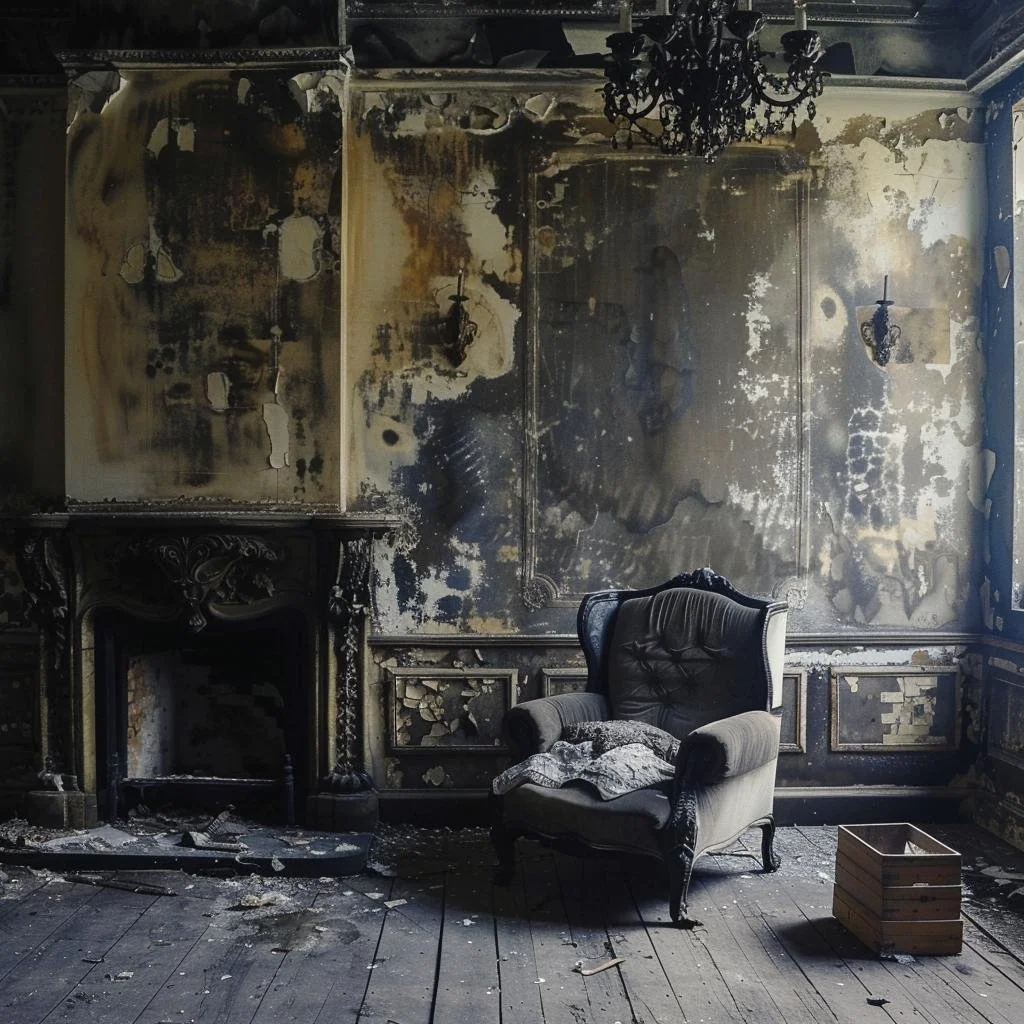
Property Maintenance Insights: Fire Damage Restoration in Aventura
Fire damage is one of the most serious events a property owner can face. Even a small kitchen fire or electrical incident can leave behind smoke, soot, and structural damage that affect a home long after the flames are extinguished. In Aventura and nearby coastal communities, fire damage restoration is not only about cleaning visible damage but also about addressing hidden issues such as lingering odors, corrosion, and moisture from firefighting efforts.
Understanding the restoration process helps homeowners and property managers respond quickly and prevent long-term damage to their properties.
What Fire Damage Restoration Really Involves
Fire damage restoration is a multi-step process designed to return a property to a safe and livable condition. It includes removing soot, cleaning surfaces, addressing smoke odors, drying moisture left from firefighting, and repairing damaged materials.
Many people assume that once visible debris is removed, the home is safe again. However, smoke particles can settle in walls, ceilings, insulation, and duct systems. If not properly cleaned, these particles can cause persistent odors and gradual material deterioration.
Professional restoration focuses on both visible and hidden damage to ensure the entire structure is properly treated.
Why Fire Damage Can Be Challenging in Aventura
Aventura’s coastal climate introduces additional challenges when restoring fire-damaged properties. High humidity levels can slow drying and increase the risk of corrosion on metal surfaces exposed to smoke and moisture.
When fires are extinguished, large amounts of water are often used. In humid environments, this water can remain trapped in materials longer, increasing the risk of mold growth if drying is not handled properly.
Many homes and condominiums in Aventura also use modern building materials that can absorb smoke odors deeply, making thorough cleaning essential.
Common Signs of Fire and Smoke Damage
Some damage is obvious immediately after a fire, but other effects may not appear until days or weeks later. Property owners often notice:
- Persistent smoke odors
- Yellow or black stains on walls and ceilings
- Discoloration around vents or light fixtures
- Warped or weakened materials
- Lingering haze or residue on surfaces
Even small fires can leave behind fine soot particles that spread through air circulation systems, affecting multiple rooms.
Hidden Damage That Property Owners May Overlook
One of the biggest concerns after a fire is hidden damage. Smoke can travel through ductwork and settle inside HVAC systems, where it may continue circulating odors throughout the home.
Soot particles are also acidic, which means they can gradually damage metal fixtures, wiring, and appliances if not removed promptly. Moisture left behind from firefighting can soak into subfloors and framing, creating conditions where mold may develop.
Because these issues are not always visible, thorough inspection is an essential part of restoration.
Why DIY Cleanup Is Often Ineffective
After a minor fire, some homeowners attempt to clean soot using household cleaners or repaint damaged areas. While this may improve appearance temporarily, it rarely removes soot embedded in materials or neutralizes smoke odors.
Improper cleaning methods can also spread soot further, making restoration more difficult. Smoke particles are extremely fine and can settle into fabrics, insulation, and porous surfaces that require specialized cleaning techniques.
Professional restoration uses equipment and cleaning agents designed specifically for smoke and soot removal.
Professional Inspection and Damage Assessment
The first step in fire damage restoration is a detailed inspection. Technicians evaluate the extent of fire, smoke, and water damage throughout the property. This includes checking walls, ceilings, ductwork, and structural materials.
Moisture detection tools are often used to identify water trapped in building materials after firefighting. Thermal imaging may also help locate hidden damage.
Companies like Tip Top Water and Fire Damage Restoration often emphasize inspection as the most important step because it determines the proper restoration strategy.
The Cleaning and Restoration Process
Once the damage has been assessed, the restoration process begins. Soot and debris are carefully removed from affected areas using specialized equipment. Surfaces are cleaned with solutions designed to neutralize smoke residue and prevent corrosion.
Air scrubbers and filtration systems are commonly used to remove airborne particles and improve indoor air quality. If water damage is present, drying equipment may be installed to remove excess moisture from walls and flooring.
Damaged materials that cannot be restored are replaced, and structural repairs are completed to return the home to its original condition.
Smoke Odor Removal and Air Quality
Smoke odors can linger long after visible damage is repaired. Odor removal often involves deep cleaning of surfaces, ventilation systems, and fabrics. Air purification equipment helps remove particles that contribute to lingering smells.
In many Aventura homes, technicians also inspect ductwork to ensure smoke residue has not accumulated inside the HVAC system. Proper cleaning helps restore fresh indoor air and prevents odors from returning.
Preventing Secondary Damage After a Fire
One of the key goals of fire damage restoration is preventing secondary damage. Moisture left behind after firefighting can lead to mold growth if drying is delayed. Soot residue can also cause permanent staining or corrosion if not cleaned quickly.
Prompt restoration helps protect structural materials and reduces the likelihood of additional repairs later. Property owners who act quickly often find that damage is easier and less expensive to repair.
Preventive Maintenance and Fire Safety
While not all fires can be prevented, certain maintenance steps reduce risk. Regular inspection of electrical systems, proper use of appliances, and maintaining smoke detectors all play an important role in home safety.
Keeping dryer vents and HVAC systems clean also reduces the risk of overheating or airflow restrictions that can contribute to fire hazards.
Routine property maintenance helps identify potential issues before they become serious.
Why Local Experience Matters
Fire damage restoration in coastal South Florida requires knowledge of local climate conditions and construction methods. Homes in Aventura face challenges related to humidity, salt air exposure, and high-rise or multi-unit building layouts.
Professionals familiar with nearby areas such as Sunny Isles Beach, North Miami Beach, and Bal Harbour understand how these factors affect restoration timelines and drying methods.
Local experience allows technicians to anticipate potential complications and apply solutions that are effective in this environment. Tip Top Water and Fire Damage Restoration has handled many restoration projects in these communities, where prompt action helped prevent long-term structural damage.
A Practical Approach to Property Protection
Fire damage can be overwhelming, but proper restoration helps return a property to a safe and comfortable condition. Thorough cleaning, moisture control, and careful repairs ensure that hidden damage does not continue after the initial incident.
For property owners in Aventura, understanding the restoration process makes it easier to respond quickly and take the right steps after a fire. With prompt inspection and professional restoration, homes and buildings can be restored efficiently, protecting both comfort and long-term property value.