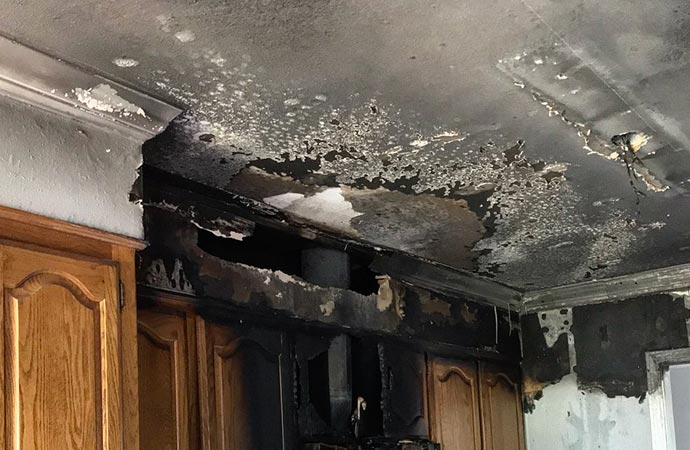
Property Maintenance Insights: Fire Damage Restoration in North Miami Beach
Fire damage is one of the most serious events a property owner can face. Even a small fire can cause widespread effects that go far beyond the burned area. In North Miami Beach, coastal conditions such as humidity, salt air, and warm temperatures can make fire damage restoration more complex and time-sensitive.
What Fire Damage Really Includes
Many people think fire damage only involves burned materials, but restoration professionals know the situation is more complicated. A fire can affect multiple parts of a home, including areas that were never touched by flames.
Fire damage may involve:
- Smoke and soot spreading through the property
- Water used during firefighting
- Structural materials weakened by heat
- Odors trapped in porous materials
- Damage to HVAC systems and ductwork
Because these effects can spread quickly, proper inspection and restoration are essential.
Why Fire Damage Is More Challenging in North Miami Beach
Homes in North Miami Beach and nearby communities such as Sunny Isles Beach, Aventura, and Miami Shores face environmental conditions that make fire restoration more difficult.
Several factors play a role:
High humidity levels
Moist air causes soot and smoke residues to cling to surfaces and absorb moisture, making them harder to remove.
Warm coastal temperatures
Heat and humidity can intensify odors and slow drying after firefighting.
Salt air exposure
Salt can accelerate corrosion of metal fixtures and HVAC components already affected by heat.
Frequent storms and moisture exposure
Moisture in the air can reactivate smoke odors if restoration is incomplete.
These conditions often require a thorough and carefully planned restoration process.
Smoke and Soot Travel Farther Than Expected
One of the most important maintenance insights property owners learn after a fire is that smoke travels much farther than flames. Fine particles move through air currents and HVAC systems, settling on surfaces throughout the home.
Smoke damage is often found in:
- Attics and crawl spaces
- Closets and storage rooms
- Air ducts and vents
- Behind cabinets and appliances
Because smoke particles are extremely small, they can penetrate porous materials and remain long after visible soot is removed.
The Hidden Impact of Water Used to Extinguish Fires
Water used during firefighting can introduce significant moisture into walls, ceilings, and flooring. In coastal environments, this moisture may remain trapped longer than expected.
Hidden moisture often accumulates in:
- Wall cavities
- Ceiling insulation
- Subfloors beneath flooring
- HVAC closets
If not properly dried, this moisture can lead to mold growth, odors, and structural deterioration.
Professionals experienced in coastal restoration often use moisture detection tools to locate hidden damp areas. Companies such as Tip Top Water and Fire Damage Restoration frequently emphasize structural drying as a critical step in fire damage restoration.
Persistent Odors and Air Quality Concerns
Smoke odors are one of the most common complaints after a fire. These odors often persist because smoke particles contain oils and residues that cling to surfaces and slowly release smells over time.
Odors often linger when:
- Smoke particles remain in ductwork
- Insulation absorbs residues
- Humidity reactivates particles
- Cleaning does not reach hidden areas
Thorough cleaning and ventilation system inspection are often necessary to restore indoor air quality.
Structural Damage That May Appear Later
Heat from a fire can weaken building materials even if flames do not visibly destroy them. Over time, property owners may notice delayed effects.
Possible delayed structural issues include:
- Warped wood framing
- Cracked drywall
- Peeling paint
- Soft or weakened flooring
Moisture introduced during firefighting can accelerate these problems if drying is incomplete.
The Fire Damage Restoration Process
Fire damage restoration typically follows a structured process designed to address smoke, soot, moisture, and structural damage.
1. Inspection and damage assessment
Technicians evaluate fire, smoke, and water damage throughout the property.
2. Removal of damaged materials
Severely affected materials may need to be removed to prevent further deterioration.
3. Cleaning of soot and smoke residues
Specialized cleaning methods remove particles from walls, ceilings, and structural surfaces.
4. Structural drying and dehumidification
Air movers and dehumidifiers remove moisture introduced during firefighting.
5. Odor control and final inspection
Humidity levels and odor sources are addressed to prevent recurring problems.
This systematic approach helps ensure both visible and hidden damage are fully addressed.
HVAC Systems and Fire Damage
Air conditioning systems often play a major role in how smoke spreads. Return vents can draw smoke particles into ductwork, allowing contamination to circulate throughout the home.
Potential HVAC-related issues include:
- Soot buildup inside ducts
- Odors circulating through vents
- Contaminated air filters
- Reduced airflow efficiency
Cleaning and inspecting ductwork is often an important part of restoration.
Lessons Learned from Local Properties
Real situations from homes in North Miami Beach reveal several consistent patterns.
Smoke damage often extends beyond the fire area
Many homeowners are surprised to find residues in rooms far from the fire.
Hidden moisture is common after firefighting
Materials that appear dry may still contain moisture internally.
Humidity prolongs restoration time
Coastal conditions often require longer drying periods.
Early restoration reduces repair costs
Properties addressed promptly typically required less extensive repairs.
These observations highlight the importance of timely inspection and restoration.
Practical Steps to Reduce Long-Term Fire Damage
Property owners can reduce the likelihood of delayed problems by taking several steps after a fire incident.
Helpful measures include:
- Scheduling inspection as soon as possible
- Replacing HVAC filters after smoke exposure
- Monitoring indoor humidity levels
- Ensuring affected areas are thoroughly dried
- Cleaning ventilation systems when necessary
Addressing these factors early often prevents larger restoration projects.
Why Local Experience Matters
Fire damage restoration in coastal South Florida requires understanding how humidity, salt air, and building materials interact. Homes in North Miami Beach and nearby communities experience environmental conditions that differ significantly from inland regions.
Professionals familiar with local conditions understand:
- How coastal humidity affects smoke residues
- Where moisture commonly accumulates after firefighting
- Which materials are most vulnerable to corrosion
- How ventilation systems influence indoor air quality
This knowledge helps ensure restoration is thorough and long-lasting.
A Practical Next Step for Property Owners
Fire damage can continue to affect a home long after flames are extinguished. Smoke residues, moisture, and structural weakening can lead to hidden problems if restoration is delayed. If your property experiences a fire incident, early inspection and restoration help prevent long-term damage.
Working with experienced restoration professionals such as Tip Top Water and Fire Damage Restoration helps ensure that soot, smoke, and moisture are properly addressed and that affected areas are restored safely. With timely attention and proper maintenance, homeowners in North Miami Beach can protect their properties and maintain comfortable indoor environments.