Property Maintenance Insights: Fire Damage Restoration in Sunny Isles Beach
Fire damage is something most property owners hope they never have to deal with, yet in coastal communities like Sunny Isles Beach, it happens more often than people realize. Electrical issues, kitchen incidents, storm-related power surges, and even HVAC malfunctions can lead to fires that cause not only visible damage but also lingering smoke residue, moisture problems, and structural concerns.
For homeowners, landlords, and property managers, understanding how fire damage restoration works—and why it’s so important—can make recovery smoother and prevent long-term property issues.
What Fire Damage Really Involves
When people think about fire damage, they usually picture burned walls or charred materials. But restoration professionals know that the damage often goes much deeper.
Fire can cause:
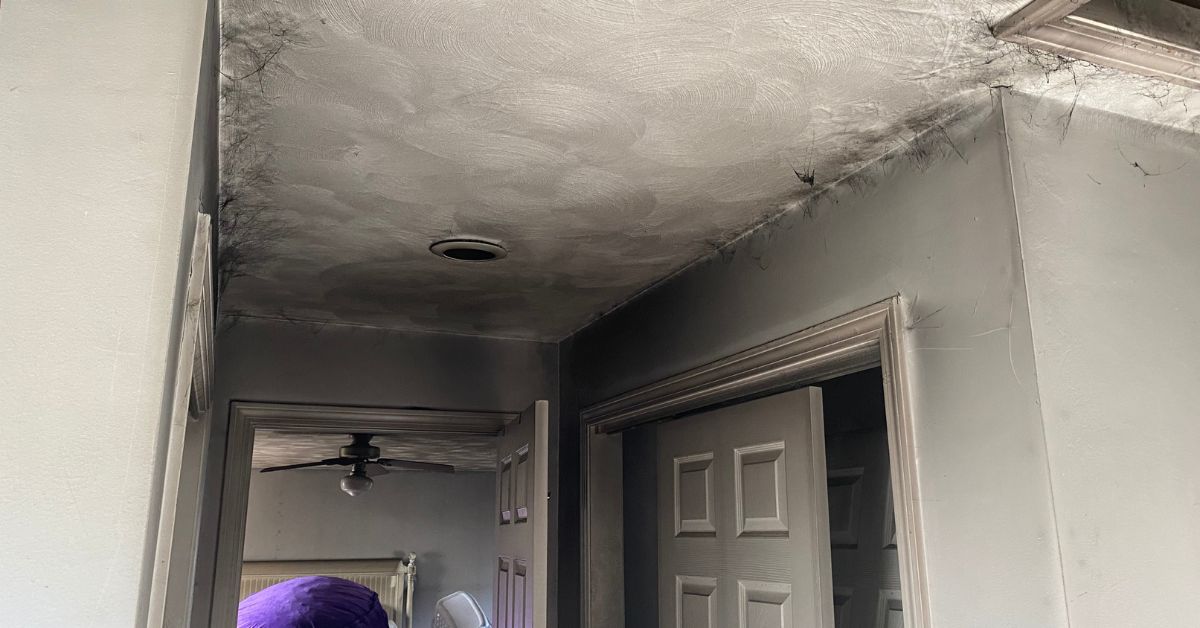
- Smoke and soot contamination in walls and ceilings
- Odor absorption in insulation, carpets, and ducts
- Water damage from firefighting efforts
- Corrosion of metal fixtures and electronics
- Hidden moisture that later leads to mold growth
In Sunny Isles Beach properties, salt in the coastal air can accelerate corrosion after a fire, especially when soot and humidity combine.
Why This Happens So Often in Sunny Isles Beach
Several local conditions make fire damage restoration a recurring need in this area.
High humidity is one of the biggest factors. Moist air allows soot particles to cling to surfaces and penetrate materials more deeply. That makes cleanup more complex compared to drier climates.
Storm activity is another contributor. Power outages and surges can damage appliances or electrical systems, increasing fire risk. After storms, generators, temporary wiring, and overloaded circuits can also create hazards.
Older condominium buildings and waterfront homes sometimes have outdated wiring or ventilation systems, which further increases the likelihood of electrical fires or overheating equipment.
Common Signs Property Owners Notice
Not all fire damage is obvious right away. Some of the most common signs include:
- Persistent smoky odors even after cleaning
- Yellowing or dark staining on walls and ceilings
- Residue around vents or light fixtures
- Warped flooring or cabinets
- Rust forming on metal surfaces
In many Sunny Isles Beach properties, smoke residue travels through duct systems, spreading odors to rooms far from the original fire.
Hidden or Overlooked Sources of Damage
Fire damage often affects areas homeowners rarely inspect.
Attics, crawl spaces, and inside wall cavities may contain soot or moisture that leads to long-term deterioration. Air ducts are another major concern. Smoke particles can settle deep inside the system, and each time the AC runs, odors and contaminants may circulate again.
Carpet padding and subflooring also trap moisture and residue after firefighting efforts. Without proper drying and cleaning, these areas can develop mold within days.
Why DIY Fire Cleanup Usually Fails
Many property owners try to handle minor fire damage themselves, especially when the affected area seems small. Unfortunately, surface cleaning rarely solves the real problem.
Soot is acidic and can permanently stain or damage materials if not treated properly. Household cleaners often smear soot rather than removing it, pushing particles deeper into porous surfaces.
Another issue is odor removal. Smoke odors bond with materials like wood, drywall, and fabrics. Without specialized equipment and cleaning methods, the smell usually returns.
Professional Inspection and Damage Assessment
A proper restoration process begins with a detailed inspection. Professionals evaluate:
- Structural integrity of affected areas
- Extent of soot contamination
- Moisture levels inside walls and flooring
- HVAC and duct system condition
- Hidden smoke migration pathways
Moisture detection tools and air quality testing are often used to identify problems that are not visible to the eye.
Companies like Tip Top Water and Fire Damage Restoration frequently find hidden moisture or smoke contamination in Sunny Isles Beach properties that owners didn’t realize was there.
Proper Fire Damage Cleanup and Restoration Process
Restoration is a structured process designed to address both visible and hidden damage.
Typical steps include:
- Removal of debris and damaged materials
- Deep cleaning of soot and smoke residue
- Odor neutralization using professional equipment
- Structural drying to remove moisture
- Repair or replacement of affected surfaces
Specialized air scrubbers and drying equipment help restore indoor air quality and prevent secondary damage.
In coastal environments, careful drying is especially important because humidity can slow evaporation and trap moisture in building materials.
Water Damage and Flooding After Fire
One aspect many people overlook is the amount of water used to extinguish fires. Firefighting efforts often leave behind soaked drywall, insulation, and flooring.
If not addressed quickly, this moisture can lead to:
- Mold growth
- Wood rot
- Warped flooring
- Odors and indoor air issues
Water removal and drying are essential parts of the restoration process, particularly in Sunny Isles Beach where high humidity makes drying more difficult.
Air Ducts, AC Systems, and Smoke Contamination
Air conditioning systems play a major role in how smoke spreads through a property.
When smoke enters ductwork, it can settle inside vents and coils. Over time, this contamination affects air quality and creates lingering odors.
Professional duct cleaning and HVAC inspection are often necessary after fire damage to ensure the system is safe and functioning properly.
Properties in nearby areas like Aventura, North Miami Beach, and Bal Harbour often experience similar issues because of year-round AC use and humid conditions.
How to Prevent Fire Damage in Coastal Homes
While not all fires can be prevented, certain steps reduce risk significantly:
- Regular electrical inspections
- Cleaning dryer vents and HVAC systems
- Avoiding overloaded outlets
- Maintaining kitchen appliances
- Inspecting wiring after storms or flooding
Moisture control is also important. Damp environments increase corrosion and electrical problems, which can contribute to fire hazards over time.
Why Local Experience Matters
Fire damage restoration in Sunny Isles Beach is different from restoration in inland areas. Coastal humidity, salt air, and high-rise construction create unique challenges.
Professionals familiar with the region understand how to:
- Dry structures effectively in humid conditions
- Prevent mold growth after water exposure
- Address corrosion risks
- Restore indoor air quality in sealed, air-conditioned buildings
Tip Top Water and Fire Damage Restoration has experience working in Sunny Isles Beach, Surfside, Miami Shores, and Biscayne Park, where environmental conditions often influence how damage develops and how restoration must be performed.
A Calm, Practical Approach to Recovery
Dealing with fire damage can feel overwhelming, but the restoration process is designed to move step by step, addressing each issue carefully and thoroughly.
Early inspection, proper drying, and professional cleaning help prevent long-term problems and restore properties safely. For homeowners and property managers in Sunny Isles Beach, understanding the process makes it easier to respond quickly and protect the value of the property.
Fire damage may be unexpected, but with the right approach and experienced local professionals, recovery is entirely possible and often faster than many people expect.