
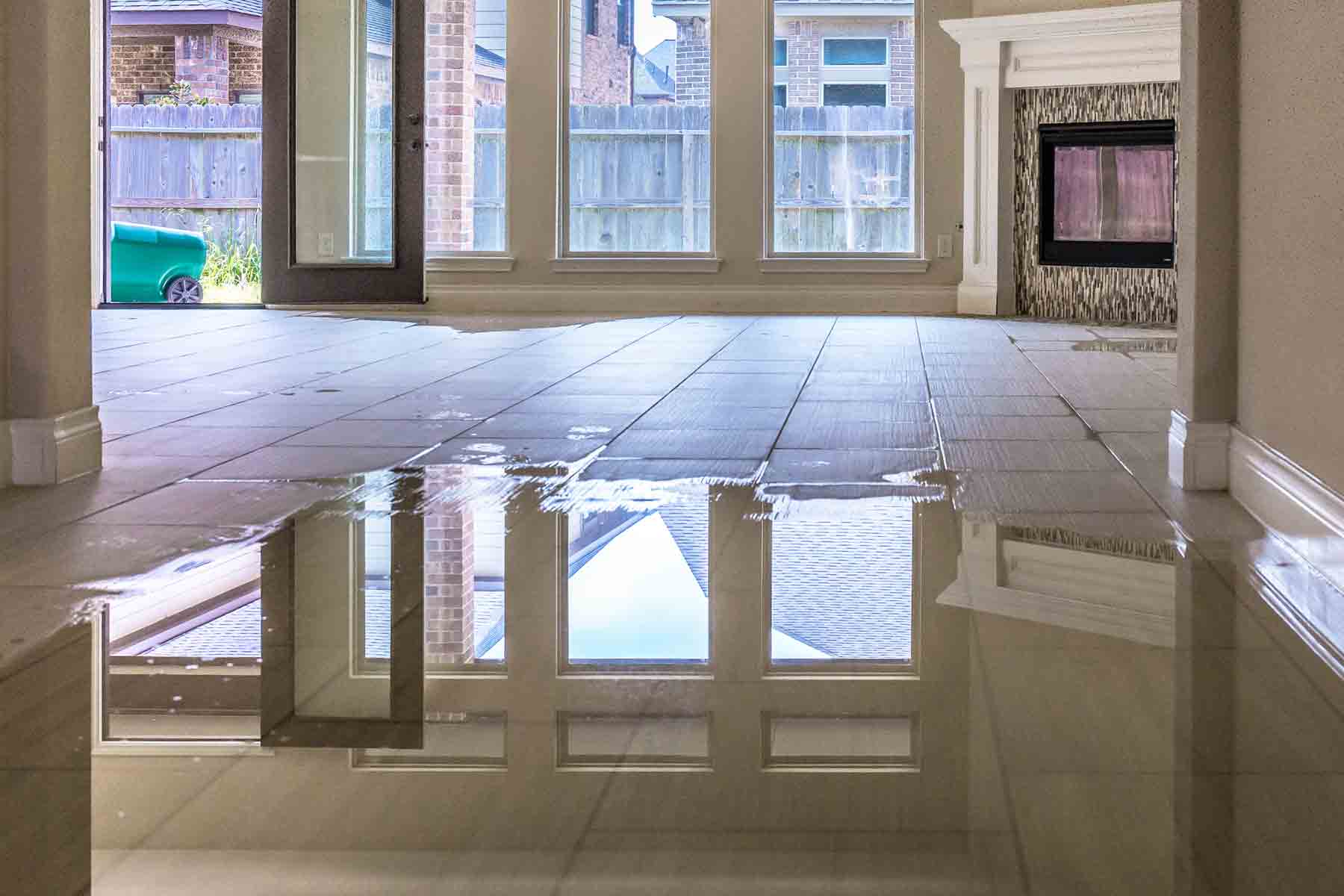
Property Maintenance Insights: Flood Restoration in Aventura
Flooding is one of the most disruptive property events homeowners and condo residents face in Aventura. Even when floodwater recedes quickly, the hidden effects can linger inside walls, floors, and building materials long after surfaces appear dry. Without proper restoration, moisture trapped inside structures often leads to long-term damage, including mold growth, flooring failure, and weakened materials.
For property owners focused on long-term maintenance, understanding how flood restoration works—and why quick action matters—can make a major difference. Experienced restoration professionals look beyond visible water damage to protect the overall health of the property.
Here is a practical look at how flood restoration works in Aventura and what property owners should know to prevent recurring issues.
Understanding Flood Restoration in Residential Properties
Flood restoration is not simply about removing water from floors. Professional restoration involves restoring the property to safe, dry conditions and preventing future problems.
Flood damage in Aventura typically results from:
- Heavy rainstorms and seasonal flooding
- Storm surge impacts in coastal areas
- Plumbing failures in high-rise buildings
- Overflowing appliances or broken pipes
- AC system drainage failures
- Neighboring unit leaks in condominiums
Water spreads quickly through flooring, walls, and insulation, often reaching areas homeowners never see. Proper restoration addresses both visible and hidden moisture.
Why Flood Damage Happens Frequently in Aventura
Aventura’s location near coastal waterways and bayfront areas makes flooding a recurring concern. High humidity and intense rainfall events create conditions where drainage systems sometimes struggle to keep up.
Local properties also face challenges such as:
- Older buildings with aging plumbing systems
- Balcony and window exposure to wind-driven rain
- High-rise condo drainage issues
- AC systems operating constantly in humid conditions
- Underground parking and ground-floor water intrusion
Nearby communities such as North Miami Beach, Sunny Isles Beach, and Bal Harbour experience similar risks due to coastal exposure and dense development.
Even well-maintained buildings can experience unexpected water intrusion when storms arrive quickly.
Common Signs Flood Damage Has Spread
Many property owners believe damage is limited to areas where water was visible, but professionals know moisture often travels beyond those locations.
Signs restoration teams often investigate include:
- Warped or buckled flooring
- Musty or damp odors
- Stained ceilings or walls
- Soft drywall or baseboards
- Persistent indoor humidity
- Mold spots appearing weeks later
- Doors or cabinets swelling
Floodwater can move beneath flooring and behind walls, making proper inspection critical even after cleanup.
Hidden Areas Restoration Teams Inspect
Experienced restoration specialists look carefully at hidden areas that are easily overlooked during initial cleanup.
Typical hidden moisture zones include:
- Under laminate and wood flooring
- Behind drywall and insulation
- Inside kitchen cabinets
- Under bathroom fixtures
- Inside air conditioning closets
- Beneath carpet padding
- Storage areas and utility rooms
Water often spreads farther than expected, especially in condominium buildings where water can move between units or floors.
Why DIY Flood Cleanup Usually Misses Key Problems
After minor flooding, some homeowners attempt cleanup themselves using fans, towels, or shop vacuums. While this helps with surface drying, hidden moisture often remains.
DIY cleanup typically falls short because:
- Moisture stays trapped inside materials
- Walls dry slowly without professional equipment
- Mold growth begins unnoticed
- Flooring weakens from prolonged dampness
- Odors and humidity remain
Professional restoration focuses on controlled drying that ensures moisture levels return to safe conditions.
Step-by-Step Flood Restoration Process
Professional flood restoration follows a structured approach to fully restore the property.
Initial Damage Inspection
Technicians assess how far water traveled and identify materials requiring drying or removal.
Water Extraction
Powerful pumps and vacuums remove standing water quickly to limit structural damage.
Moisture Detection
Moisture meters and thermal imaging tools locate hidden damp areas behind walls or under flooring.
Drying and Dehumidification
Industrial air movers and dehumidifiers dry materials while monitoring moisture levels continuously.
Material Removal if Needed
Severely damaged materials like saturated drywall or carpet padding may be removed for proper drying.
Cleaning and Sanitizing
Surfaces are cleaned to reduce contamination and prevent odors or mold development.
Repairs and Restoration
Final repairs return the home or condo to its pre-loss condition.
This method prevents lingering problems that often follow incomplete drying.
Mold Risks After Flooding
One of the most serious long-term risks after flooding is mold growth. In warm, humid climates like Aventura, mold can begin growing within one to two days if moisture remains.
Common mold risk areas include:
- Behind drywall
- Inside closets
- Under flooring
- Inside air ducts
- Around AC systems
Restoration professionals frequently recommend follow-up inspections or mold testing if moisture exposure lasted several days.
AC Systems and Flood-Related Moisture Problems
Air conditioning systems often contribute to post-flood moisture problems.
Floodwater sometimes reaches AC closets or mechanical rooms, affecting drainage systems. Even if units remain operational, trapped moisture around equipment can later create mold or odor problems.
Technicians often inspect:
- Drain pans and condensate lines
- Insulation around ducts
- AC closets and surrounding drywall
- Air handler cabinets
Proper inspection prevents hidden moisture from circulating throughout the home.
Preventing Future Flood Damage in Aventura Homes
Property maintenance plays a major role in reducing future flood risks.
Homeowners and condo residents can help protect their properties by:
- Checking plumbing regularly
- Installing leak detection devices
- Cleaning AC drain lines annually
- Sealing balcony and window gaps
- Inspecting roofs and seals after storms
- Monitoring indoor humidity levels
- Addressing small leaks immediately
Proactive maintenance often prevents major restoration projects later.
Why Local Experience Matters in Restoration
Flood restoration in coastal communities requires experience with local building types and environmental conditions.
Aventura properties vary from high-rise condominiums to waterfront homes, each with different construction styles and moisture risks. Restoration teams familiar with North Miami, Sunny Isles Beach, and surrounding communities understand how local weather patterns affect buildings.
Local companies like Tip Top Water and Fire Damage Restoration have extensive experience addressing flood damage specific to coastal Florida conditions, helping homeowners restore properties safely and efficiently.
Taking Calm, Practical Steps After Flooding
Flood damage can feel overwhelming, but early professional action usually prevents long-term complications.
If flooding occurs, arranging a professional inspection ensures moisture is fully addressed and future problems are avoided. Proper restoration protects both the property and long-term maintenance costs.
By understanding how flood restoration works and responding quickly, Aventura homeowners and property managers can maintain safe, comfortable living environments even after unexpected water events.