Property Maintenance Insights: Mold Inspection in Biscayne Park
Mold is a silent but pervasive issue in many homes, particularly in Biscayne Park, where high humidity, seasonal storms, and coastal proximity create ideal conditions for moisture accumulation. Property owners, landlords, and managers must understand the importance of mold inspections to maintain healthy, durable, and comfortable living environments. Early detection and remediation prevent structural damage, health risks, and expensive repairs.
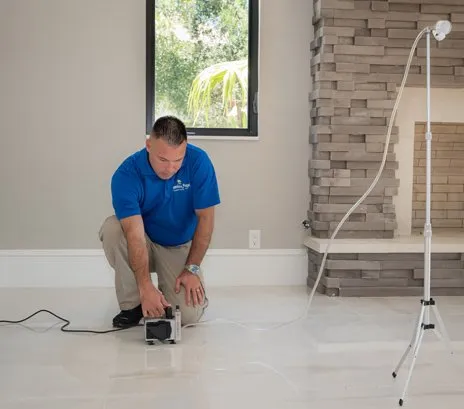
Mold inspection is more than just a visual check. It involves identifying hidden moisture sources, understanding how fungal growth spreads, and using specialized tools to detect areas that are invisible to the naked eye. For Biscayne Park homes, inspections are particularly crucial due to the unique challenges posed by coastal weather, older construction, and high indoor humidity.
Why Mold Inspection Is Critical in Biscayne Park
1. Coastal Humidity and Moisture
Biscayne Park experiences consistently high humidity, often above 70%, which encourages condensation on walls, ceilings, and inside HVAC systems. Moisture accumulation in attics, crawl spaces, and behind walls creates the perfect environment for mold spores to germinate and thrive.
2. Water Intrusion
Storms, flooding, and roof leaks are common in coastal neighborhoods. Even minor leaks can saturate materials like drywall, insulation, and carpets. Water intrusion that goes unnoticed often leads to mold growth within weeks.
3. Aging Homes
Older properties often have construction features that retain moisture, such as slab foundations, uninsulated attics, or outdated plumbing. These homes require careful inspections to identify hidden moisture that could support mold colonies.
4. Health and Safety Concerns
Mold spores can become airborne, triggering allergies, asthma, and respiratory irritation. Residents, especially children and elderly individuals, are vulnerable to prolonged exposure. Regular inspections help mitigate these risks.
Common Signs That Mold May Be Present
Even without visible growth, homeowners may notice:
- Musty or damp odors
- Water stains or discoloration on walls, ceilings, or floors
- Warped or buckling flooring
- Peeling paint or wallpaper
- Condensation on windows or AC vents
Recognizing early warning signs allows for timely inspection and prevents extensive damage.
Challenges of DIY Mold Detection
Many property owners attempt to identify mold themselves, but DIY inspections have limitations:
- Hidden Growth: Mold can grow behind walls, under flooring, inside ductwork, or in crawl spaces.
- Surface Cleaning Isn’t Enough: Simply scrubbing visible mold does not address underlying moisture or prevent regrowth.
- Health Risks: Disturbing mold without protective equipment can release spores into the air, increasing exposure.
Professional inspections are more thorough and effective at detecting hidden contamination.
The Professional Mold Inspection Process
1. Visual Assessment
Inspectors conduct a room-by-room evaluation, looking for visible mold, water stains, condensation, and signs of leaks. Special attention is given to:
- Bathrooms, kitchens, and laundry areas
- Crawl spaces and attics
- HVAC systems and air ducts
- Areas behind furniture or cabinetry
2. Moisture Detection
Specialized tools help identify hidden moisture:
- Moisture Meters: Measure moisture content in walls, floors, and ceilings.
- Thermal Imaging Cameras: Detect temperature differences that indicate water accumulation behind walls or under flooring.
- Hygrometers: Measure indoor humidity levels to identify risk zones.
3. Air and Surface Sampling
Air and surface samples may be collected to:
- Identify the type of mold present
- Determine spore concentrations
- Assess indoor air quality
Laboratory analysis of these samples provides a scientific basis for remediation planning.
4. Reporting and Recommendations
Inspectors provide a detailed report that includes:
- Areas affected by mold or moisture
- Potential sources of water intrusion
- Recommended remediation strategies
- Preventive measures to avoid future mold growth
This documentation is valuable for insurance claims, property sales, and long-term maintenance planning.
Why Timely Inspection Matters
Early mold detection provides several benefits:
- Prevents Structural Damage: Mold can weaken wood, drywall, and other building materials.
- Reduces Health Risks: Minimizes exposure to airborne spores.
- Saves Money: Addressing mold early is less expensive than extensive remediation later.
- Supports Property Value: Maintains the safety and marketability of the home.
In Biscayne Park, timely inspection is particularly important due to frequent storms and high humidity.
Preventive Measures Post-Inspection
Once inspection identifies issues, homeowners should implement preventive actions:
- Control Humidity: Use air conditioning, dehumidifiers, and proper ventilation to maintain indoor humidity below 55%.
- Address Water Leaks Promptly: Fix plumbing, roof, or window leaks immediately.
- Improve Ventilation: Ensure attics, crawl spaces, and bathrooms are properly ventilated.
- Regular Maintenance: Inspect HVAC systems, gutters, and drainage to prevent moisture accumulation.
- Routine Professional Inspections: Schedule annual mold inspections, especially in older homes or those with prior water damage.
Unique Challenges in Biscayne Park Homes
Property owners in coastal neighborhoods face specific challenges:
- Persistent Coastal Humidity: Maintains damp conditions even after rainfall.
- Salt Air Corrosion: Metal ducts, fasteners, and HVAC components are more prone to deterioration.
- Older Construction: Materials may retain water or be more susceptible to fungal colonization.
- Storm Exposure: Hurricanes and tropical storms increase the risk of leaks and flooding.
Professional inspectors understand these local conditions and can target areas most at risk.
The Role of Experienced Mold Professionals
Mold inspection is not just a routine check. Experienced professionals provide:
- Advanced moisture detection and sampling techniques
- Identification of hidden mold colonies
- Guidance on effective remediation strategies
- Recommendations for long-term prevention in coastal environments
Tip Top Water and Fire Damage Restoration has extensive experience inspecting homes in Biscayne Park, ensuring that mold issues are identified early and addressed correctly.
Financial and Health Implications of Ignoring Mold
Neglecting mold inspection can lead to:
- Structural deterioration over time
- Increased exposure to allergens and respiratory irritants
- Expensive remediation if growth becomes widespread
- Decreased property value and resale challenges
Proactive inspection and maintenance reduce these risks and provide peace of mind for property owners.
Final Thoughts
Mold inspection is a critical aspect of property maintenance in Biscayne Park homes. Coastal conditions, high humidity, and aging construction make these properties particularly vulnerable to moisture accumulation and fungal growth. Professional inspection helps identify hidden problems, protect indoor air quality, and guide effective remediation strategies.
Property owners who understand the science of mold, act promptly on early warning signs, and invest in professional inspection and preventive measures can maintain healthy, safe, and structurally sound homes. In Biscayne Park, proactive mold management is essential for long-term property protection and occupant well-being.