
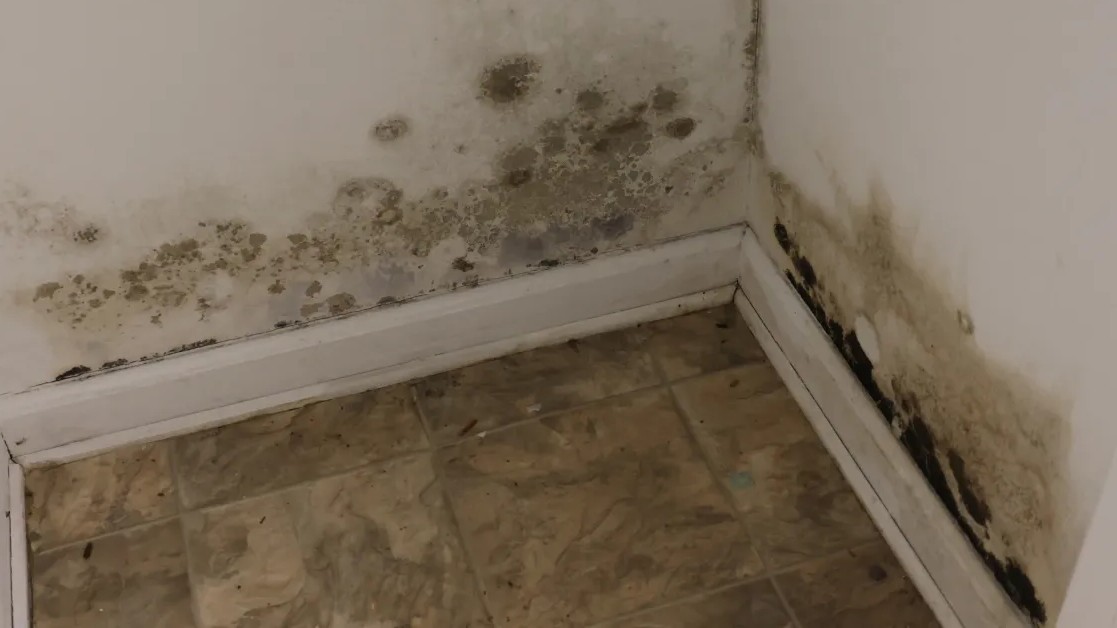
Property Maintenance Insights: Mold Remediation in Sunny Isles Beach
Sunny Isles Beach offers ocean views, high-rise living, and steady coastal breezes. But behind the glass balconies and modern interiors, one issue quietly challenges property owners year-round: moisture.
In a city where humidity rarely takes a break, mold remediation isn’t just a repair service — it’s part of responsible property maintenance.
For condo owners, landlords, and homeowners in Sunny Isles Beach and nearby Aventura, Bal Harbour, and North Miami Beach, understanding how mold develops — and how to prevent repeat problems — is critical to protecting long-term property value.
Why Mold Is a Maintenance Issue in Sunny Isles Beach
Mold doesn’t require a major flood. In coastal environments, it often grows due to consistent humidity and small, repeated moisture exposures.
Common local contributors include:
- High year-round humidity
- Salt-heavy ocean air
- Wind-driven rain during storms
- Continuous AC operation
- Balcony door seal gaps
- Condensation inside duct systems
- Plumbing stack leaks in high-rises
In high-rise buildings along Collins Avenue, shared ventilation systems and compact AC closets increase the risk of hidden moisture accumulation.
Because indoor cooling is constant, small airflow imbalances can leave humidity lingering inside wall cavities.
Early Signs Property Owners Should Monitor
Mold problems often start subtly.
Watch for:
- Musty odors when entering the unit
- Slight darkening along ceiling edges
- Paint bubbling near exterior walls
- Damp closets with limited airflow
- Warped baseboards
- Condensation forming on supply vents
In beachfront condos, salt air increases corrosion on AC components, which can contribute to condensate leaks.
The earlier these signs are addressed, the less extensive remediation becomes.
High-Rise Considerations in Sunny Isles Beach
Unlike single-family homes, high-rise condos have unique mold risks.
Shared plumbing chases
Moisture from upper units can travel downward.
Stacked HVAC systems
Condensation issues may impact adjacent units.
Limited attic space
Mechanical rooms concentrate humidity in tight areas.
Concrete slab construction
Moisture migrates slowly but steadily.
In many Sunny Isles Beach properties, we find mold developing behind built-in cabinetry placed against exterior walls, where airflow is restricted.
The Role of AC Systems in Mold Development
Air conditioning systems remove humidity, but they can also create moisture problems when not maintained properly.
Common AC-related mold triggers include:
Clogged condensate drain lines
Rusted drain pans
Poor duct insulation
Oversized units that short-cycle
Air leaks pulling humid outdoor air inside
Attic-based duct systems in nearby North Miami Beach and Bal Harbour homes are especially vulnerable to condensation.
Routine AC inspection is one of the most effective mold prevention tools in coastal properties.
The Mold Remediation Process Explained
When mold is identified, professional remediation focuses on source correction and safe removal.
Assessment and Moisture Detection
Identifying how moisture entered and where it remains.
Humidity Stabilization
Lowering indoor humidity before removal begins.
Containment
Isolating affected areas to prevent spore spread.
Removal of Compromised Materials
Drywall or insulation may need replacement.
Cleaning and Air Filtration
Using specialized equipment to remove airborne spores.
Post-Remediation Verification
Confirming moisture levels are stable.
In Sunny Isles Beach, remediation without humidity correction almost guarantees recurrence.
Why Surface Cleaning Doesn’t Solve the Problem
Wiping visible mold or repainting affected walls addresses appearance but not moisture.
Mold roots into porous materials. If humidity remains high, spores reactivate.
In coastal Florida, even seasonal humidity spikes can re-trigger growth if conditions aren’t stabilized.
Long-Term Prevention Strategies
Effective property maintenance includes moisture management.
Maintain Indoor Humidity
Aim for 45–55% consistently.
Service AC Systems Twice Per Year
Coil cleaning and airflow balancing reduce condensation.
Flush Drain Lines Regularly
Prevent overflow inside AC closets.
Seal Windows and Balcony Doors
Wind-driven rain can introduce hidden moisture.
Improve Ventilation in Bathrooms and Kitchens
Exhaust fans should vent properly to the exterior.
Inspect After Storm Season
Check ceilings, closets, and exterior walls.
Upgrade Duct Insulation
Prevent condensation in attic systems.
Use Leak Detection Sensors
Early alerts reduce extended moisture exposure.
In rental properties, periodic inspections help identify moisture concerns before tenants report odor.
Salt Air and Corrosion Risks
Sunny Isles Beach properties face constant salt exposure.
Salt accelerates deterioration of:
- AC coils
- Drain pans
- Metal fasteners
- Exterior window frames
Corrosion can lead to minor leaks that go unnoticed for months.
Routine inspection of mechanical components prevents small moisture issues from turning into mold remediation projects.
Slab and Flooring Moisture Concerns
Concrete slabs common in high-rise buildings and coastal homes can retain moisture long after storms.
Signs of slab moisture include:
- Floor tile loosening
- Warping engineered wood
- Musty smells near baseboards
Moisture detection tools help confirm whether subfloor moisture is present before mold spreads.
Why Local Experience Matters
Mold remediation in Sunny Isles Beach requires understanding how:
- Ocean humidity affects building materials
- High-rise ventilation systems distribute air
- Slab construction retains moisture
- Salt air accelerates corrosion
These factors interact differently than in inland properties.
Tip Top Water and Fire Damage Restoration has worked in Sunny Isles Beach condos where recurring mold issues were resolved only after duct insulation upgrades and humidity balancing were completed.
Surface cleaning alone would not have prevented return.
A Practical Property Maintenance Mindset
Mold remediation is not just a one-time event. In coastal South Florida, it’s part of ongoing property care.
Property owners should prioritize:
- Routine inspections
- Humidity monitoring
- AC system maintenance
- Storm preparedness
- Ventilation improvements
Sunny Isles Beach offers oceanfront living, but that lifestyle comes with environmental challenges.
Handled proactively, mold can be prevented before it spreads.
Ignored, it becomes a recurring issue tied to humidity cycles and overlooked maintenance.
In coastal communities, moisture management is not optional — it’s essential to preserving both property condition and indoor comfort.