
Property Maintenance Insights: Mold Removal in Bal Harbour
Bal Harbour’s oceanfront setting makes it one of South Florida’s most attractive residential communities, but coastal living also brings unique maintenance challenges for property owners. High humidity, storm exposure, and constant air-conditioning use create ideal conditions for hidden moisture problems, which can eventually lead to mold growth inside homes and condominiums.
At QualityAir Mold Inspection & Testing, many Bal Harbour property owners contact us after discovering persistent odors or visible staining that suggests mold may be present. In many situations, mold growth has been developing quietly long before homeowners notice a problem.
Understanding how mold removal fits into proper property maintenance helps homeowners and building managers prevent recurring issues, avoid costly repairs, and protect long-term property value.
A Common Mold Situation in Bal Harbour Properties
A typical situation begins with a small moisture event. A window seal fails during a storm, a balcony door allows rainwater inside, or a plumbing leak occurs in a neighboring condo unit. Cleanup happens quickly, and surfaces appear dry again.
Weeks later, however, a musty smell begins spreading through a bedroom or living area. Paint may begin bubbling, or baseboards swell slightly. Homeowners often try cleaning affected areas, but the smell returns.
When professional inspection takes place, moisture is often discovered behind walls or inside ceiling spaces, allowing mold to grow unnoticed. Because the initial water event seemed minor, professional evaluation was delayed, giving mold time to spread.
This pattern is extremely common in Bal Harbour’s coastal properties.
Why Mold Removal Becomes Necessary in Coastal Homes
Mold removal becomes necessary when moisture problems persist long enough for mold to colonize building materials. Coastal environments increase this risk.
Bal Harbour homes face ongoing exposure to:
- High year-round humidity
- Storm-driven rain intrusion
- Salt air affecting building materials
- Condensation from air-conditioning systems
- Plumbing leaks in multi-unit buildings
Moisture can travel inside walls, ceilings, and flooring without immediate visible damage. Once materials remain damp long enough, mold begins growing.
Because mold often spreads behind surfaces, removal typically involves more than simple cleaning.
How Mold Growth Affects Homes and Buildings
Mold growth is not just a cosmetic concern. It often indicates moisture problems that weaken building materials and impact building performance.
Common effects include:
- Ceiling or wall staining
- Bubbling or peeling paint
- Warped cabinetry or baseboards
- Soft drywall or flooring
- Persistent musty odors
- Higher indoor humidity levels
Moisture also reduces insulation performance, forcing HVAC systems to run longer and increasing cooling costs.
In Bal Harbour’s high-value property market, mold concerns may also affect property sales or leasing agreements. Buyers and tenants frequently request inspections when odors or visible damage appear.
Addressing mold problems quickly protects property value and occupant comfort.
Mold Inspection vs. Mold Removal
Property owners sometimes assume mold removal should happen immediately once mold is seen. However, inspection is the first step.
A professional mold inspection identifies moisture sources and determines how far mold contamination has spread. Inspectors evaluate vulnerable areas such as kitchens, bathrooms, HVAC systems, and exterior walls.
Mold testing or indoor air quality testing may be recommended when contamination is suspected but not visible or when documentation is needed for property transactions.
If contamination is confirmed, professional mold removal and remediation contractors remove affected materials and correct moisture conditions to prevent recurrence.
QualityAir Mold Inspection & Testing focuses on inspection and testing so remediation efforts address underlying moisture causes rather than temporary symptoms.
Why DIY Mold Removal Often Fails
Many property owners attempt mold removal themselves using household cleaners or repainting damaged surfaces. While this may temporarily improve appearance, mold often returns.
The reason is simple: cleaning visible mold does not remove contamination behind walls or beneath flooring. Moisture remains hidden, allowing mold to continue growing unseen.
Another common mistake is sealing or painting over mold-damaged areas, trapping moisture and making the problem worse over time.
Professional removal involves containment, material removal, and moisture correction—steps that DIY efforts rarely accomplish.
What Professional Mold Removal Typically Involves
Professional mold removal follows a structured process designed to prevent contamination from spreading.
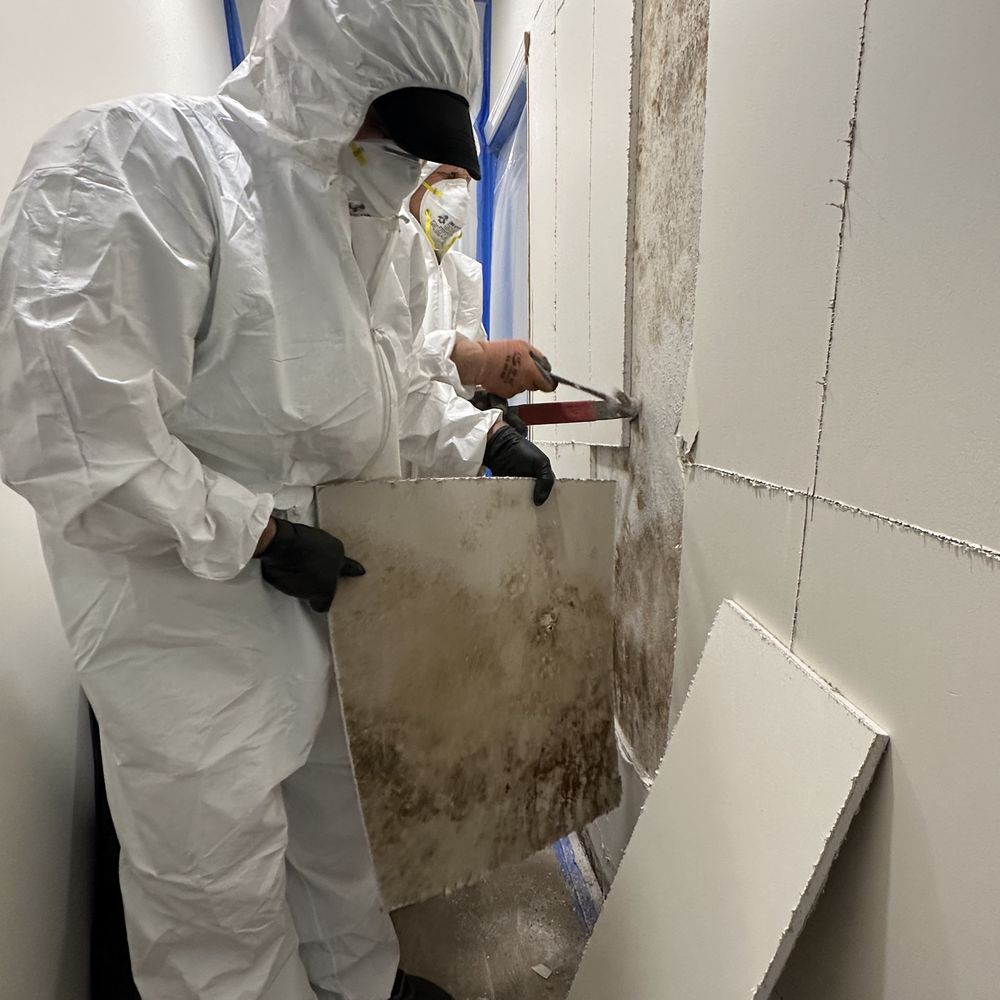
First, contaminated areas are isolated using containment barriers. This prevents mold spores from spreading to clean parts of the home.
Damaged materials such as drywall, insulation, or carpeting may be removed if they cannot be safely cleaned. Specialized equipment captures airborne particles during removal.
Affected areas are then cleaned using professional methods designed to remove mold residues safely.
Once removal is complete, the moisture source must be corrected. Without addressing moisture intrusion, mold will likely return.
Finally, follow-up inspections or testing may confirm that contamination has been properly removed.
An Insight Many Bal Harbour Property Owners Don’t Expect
One surprising lesson from many inspections is that mold removal alone does not solve mold problems unless moisture conditions are corrected.
We frequently encounter properties where mold was cleaned previously, but moisture sources remained. Months later, mold returned because humidity, leaks, or condensation problems were never resolved.
Proper mold removal must always include moisture correction to prevent recurring issues.
Practical Maintenance Tips to Prevent Mold Growth
Preventing mold growth requires proactive moisture control.
Air-conditioning systems should receive regular maintenance to ensure drain lines remain clear and condensation drains properly. HVAC systems play a critical role in managing humidity.
Balcony doors, windows, and exterior seals should be inspected after storms to catch leaks early. Even minor water intrusion can lead to hidden moisture problems.
Bathrooms and kitchens should have proper ventilation to reduce humidity buildup.
Furniture should not be placed tightly against exterior walls where condensation may develop.
Leaks should be repaired quickly, and wet materials dried promptly after water intrusion events.
Periodic professional inspections help confirm hidden moisture problems have not developed.
Why Local Experience Matters in Bal Harbour
Moisture behavior in coastal communities differs from inland areas. Inspectors must understand how Bal Harbour’s humidity, storm exposure, and building construction influence moisture movement.
Our experience inspecting homes across coastal South Florida allows us to quickly recognize moisture patterns common in oceanfront communities and recommend practical prevention strategies.
Local expertise results in faster identification of risks and realistic solutions suited to Bal Harbour properties.
Practical Guidance for Bal Harbour Property Owners
If your property develops persistent musty odors, unexplained staining, or suspected mold growth, professional inspection helps prevent problems from worsening.
QualityAir Mold Inspection & Testing provides professional mold inspection and mold testing services while coordinating remediation when necessary.
Addressing mold concerns early protects indoor comfort, prevents structural damage, and maintains long-term property value in Bal Harbour’s humid coastal environment.
Mold removal should be viewed as part of ongoing property maintenance—ensuring that hidden moisture problems are corrected before they become expensive structural repairs.