
Property Maintenance Insights: Mold Removal in Biscayne Park
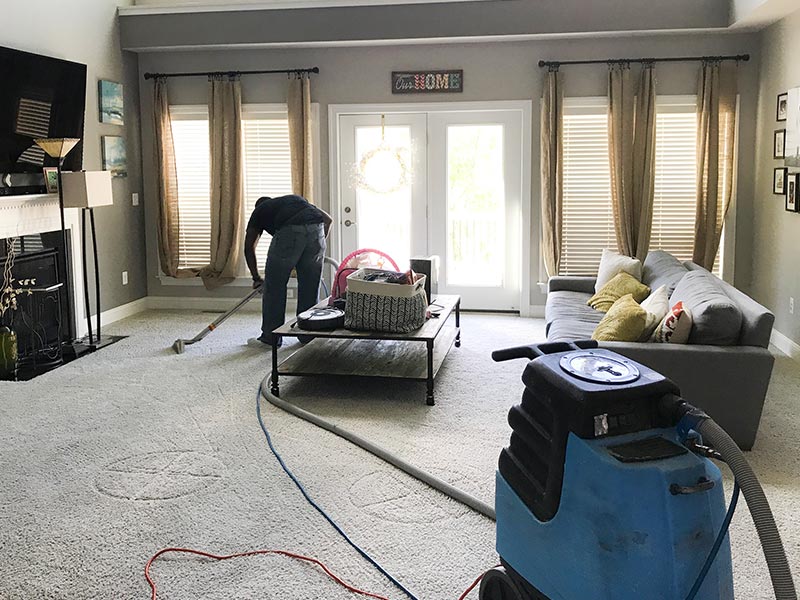
Mold is one of the most persistent challenges for property maintenance in Biscayne Park, North Miami, and nearby coastal communities. South Florida’s humid climate, combined with seasonal rains and older building materials, creates conditions where moisture and mold thrive. Mold not only affects the aesthetic appearance of a home but can also compromise indoor air quality and the structural integrity of walls, ceilings, and flooring.
Effective mold removal requires a clear understanding of how mold grows, where it hides, and how to safely remediate it. Homeowners and property managers in Biscayne Park face unique challenges due to coastal humidity, slab foundations, and air conditioning-driven moisture. Observing real-world scenarios in local properties provides practical insights for preventing and addressing mold issues.
What Mold Is and Why It Matters
Mold is a type of fungus that grows in damp environments. While some molds are harmless, others can spread quickly across organic surfaces such as wood, drywall, carpet, and insulation. In Biscayne Park homes, mold growth is often accelerated by high humidity, condensation, and water intrusion.
Mold can:
- Stain walls, ceilings, and floors
- Cause unpleasant odors
- Degrade building materials over time
- Affect indoor air quality when spores become airborne
Property owners often underestimate the speed at which mold can develop. Even minor leaks or condensation can lead to visible growth within 24–48 hours if conditions are favorable.
Why Mold Growth Happens Frequently in Biscayne Park
Several factors contribute to frequent mold problems in Biscayne Park:
- Year-Round Humidity: Average humidity levels often exceed 70%, creating a constant moisture load inside homes.
- Seasonal Storms: Heavy rainfall and hurricanes drive water into roofs, windows, and slab foundations.
- Air Conditioning Systems: AC units produce condensation that can leak into walls, ductwork, or floors.
- Older Construction: Many homes were built before modern moisture barriers were standard, allowing water to seep into structural materials.
- Coastal Air: Salt-laden air can degrade window seals and exterior materials, facilitating water intrusion.
These conditions mean that mold can develop quickly and in hidden areas, making proactive inspection and timely removal essential.
Common Signs of Mold in Local Properties
Homeowners and property managers should watch for both visible and subtle indicators of mold:
- Musty or damp odors
- Visible mold spots on walls, ceilings, or floors
- Bubbling, peeling, or discolored paint
- Staining around windows, AC vents, or plumbing fixtures
- Soft or spongy drywall or wood
- Recurring allergy symptoms among residents
Even small patches of mold should be addressed promptly. What seems minor on the surface often indicates deeper moisture problems behind walls, under flooring, or inside duct systems.
Hidden or Overlooked Sources of Mold
Mold is rarely limited to visible areas. In Biscayne Park properties, hidden sources often include:
- Attics and Crawl Spaces: Poor ventilation traps heat and moisture, creating ideal mold conditions.
- Air Ducts and AC Systems: Leaks, clogged condensate lines, and wet drip pans can spread spores throughout the home.
- Behind Cabinets and Baseboards: Water intrusion from plumbing leaks or slab moisture can go unnoticed for months.
- Bathroom and Kitchen Areas: High humidity combined with insufficient exhaust ventilation fosters surface and hidden growth.
- Slab Foundations: Moisture can migrate through concrete, affecting flooring and nearby walls.
Detecting mold in these hidden locations requires professional moisture detection and inspection tools.
Why DIY Mold Removal Often Fails
Many homeowners attempt to remove mold themselves using bleach, sprays, or over-the-counter products. While these methods may clean visible surfaces temporarily, they often fail to address:
- Hidden mold behind walls or under flooring
- Moisture sources that allow regrowth
- Airborne spores that can spread contamination
- Contaminated insulation, ductwork, or structural components
Without professional equipment and expertise, DIY removal may give a false sense of security and allow mold to return, potentially worsening damage over time.
Professional Mold Inspection and Testing
A thorough mold inspection in Biscayne Park typically includes:
- Visual Assessment: Identifying visible mold, water stains, and potential leak sources.
- Moisture Mapping: Using moisture meters and thermal imaging to locate hidden damp areas.
- Air Sampling: Measuring airborne mold spores and comparing indoor and outdoor levels.
- Surface Sampling: Testing affected surfaces for microbial growth.
- HVAC System Inspection: Checking ducts, coils, and drip pans for contamination.
- Humidity Evaluation: Monitoring indoor humidity to determine conditions that favor mold growth.
Professional inspections provide a clear understanding of both the location and severity of mold, allowing for effective remediation planning.
The Mold Removal and Remediation Process
Effective mold removal involves multiple steps to ensure both safety and thoroughness:
- Containment: Using barriers and negative air machines to prevent spores from spreading to unaffected areas.
- Removal of Affected Materials: Saturated drywall, insulation, carpet padding, or baseboards may need controlled removal.
- Cleaning and Sanitization: HEPA vacuuming and antimicrobial treatments remove spores from surfaces and materials that can be saved.
- Drying and Dehumidification: Moisture is eliminated using commercial air movers and dehumidifiers to prevent regrowth.
- Final Verification: Post-remediation testing ensures that mold levels have returned to normal.
In Biscayne Park, local professionals understand how humidity, coastal air, and building design affect drying times and remediation strategies.
Flood and Water Damage Considerations
Many mold problems originate from water intrusion. Properties near Biscayne Bay are susceptible to:
- Stormwater flooding
- Plumbing leaks
- Roof and window leaks
- AC condensation
Addressing the source of water is essential before or during mold remediation. In some cases, flood restoration services are required to remove contaminated water, dry structural materials, and prepare surfaces for mold removal.
Preventing Mold in Biscayne Park Homes
Long-term prevention focuses on moisture control:
- Repair leaks in roofs, plumbing, and window seals promptly
- Maintain AC systems and ensure proper drainage from drip pans and condensate lines
- Use dehumidifiers to maintain indoor humidity below 60%
- Ventilate bathrooms, kitchens, and attics effectively
- Inspect and maintain slab foundations and crawl spaces
- Conduct routine mold inspections, especially after storms or water events
A proactive approach reduces the risk of mold growth and minimizes the need for extensive remediation.
Why Local Experience Matters
Mold removal in Biscayne Park requires an understanding of South Florida’s climate and building patterns. Local experts are familiar with:
- Coastal humidity and its impact on building materials
- Common sources of leaks in slab foundations, attics, and window systems
- Seasonal rainfall patterns and storm-driven water intrusion
- AC system behaviors and ductwork issues in South Florida homes
Companies like Tip Top Water and Fire Damage Restoration have extensive experience managing mold in Biscayne Park, North Miami, Sunny Isles Beach, and surrounding coastal communities. Local expertise ensures accurate assessments, effective remediation, and long-term prevention.
A Practical Approach to Mold Management
Mold management in Biscayne Park should be methodical and proactive:
- Recognize early signs of mold or moisture issues
- Schedule professional inspections to identify hidden problems
- Address both visible mold and underlying moisture sources
- Implement ongoing moisture control and ventilation strategies
- Monitor the property after remediation to prevent recurrence
With careful attention and professional guidance, homeowners can maintain a healthy, safe, and comfortable indoor environment despite the challenges posed by coastal humidity and seasonal storms.
By understanding mold growth, detection methods, and effective remediation strategies, property owners in Biscayne Park can protect both their homes and the well-being of their occupants, ensuring properties remain resilient against South Florida’s humid climate and occasional severe weather.