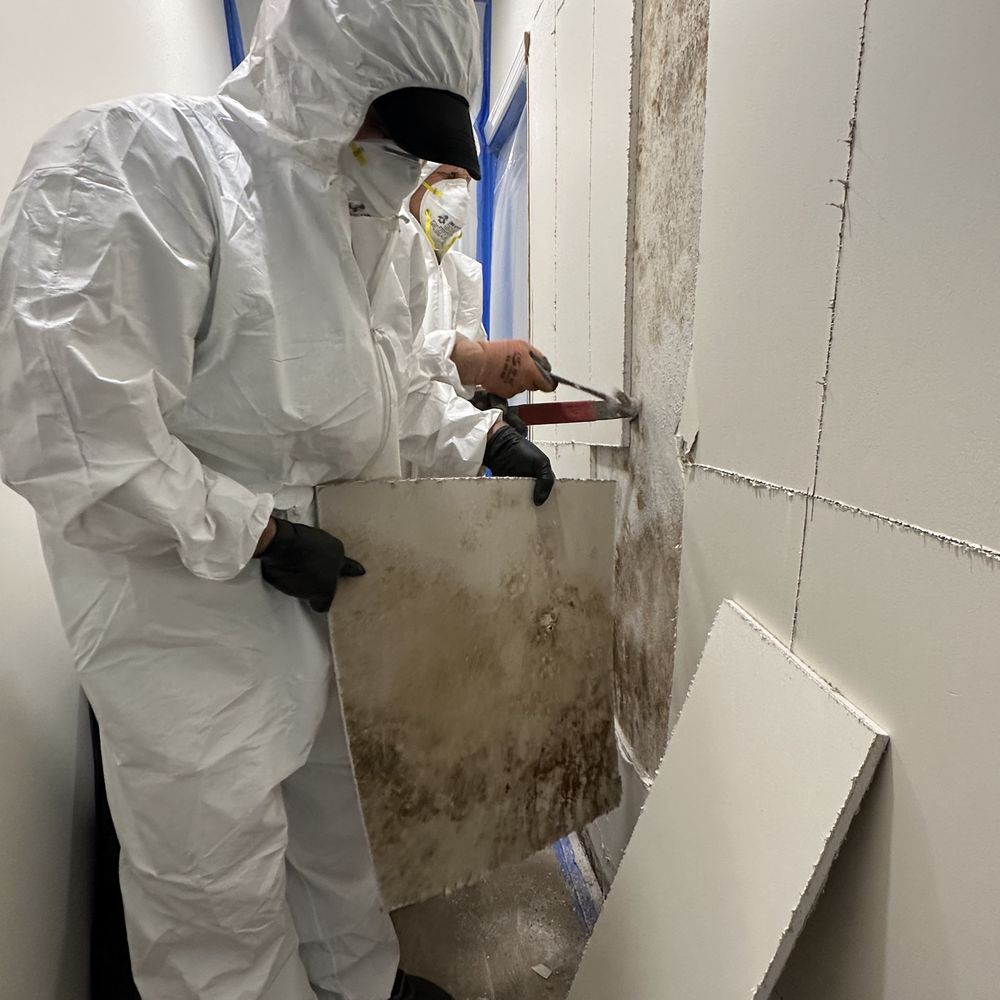
Property Maintenance Insights: Mold Testing in Biscayne Park
Biscayne Park, Florida, is a serene coastal village characterized by charming homes, lush greenery, and a close-knit community atmosphere. While its location near Biscayne Bay and the Atlantic Ocean offers residents scenic views and coastal living, it also comes with unique challenges for property owners. One of the most critical concerns in Biscayne Park homes and rental properties is mold growth, which can be exacerbated by the region’s high humidity, frequent rainfall, and occasional storm events. Understanding mold testing and incorporating it into property maintenance routines is essential for maintaining safe, healthy, and structurally sound homes.
Mold in properties can often go unnoticed until it becomes a significant problem. Left unchecked, it can compromise indoor air quality, damage building materials, and lead to expensive restoration projects. For property owners, landlords, and property managers, systematic mold testing provides the data needed to address hidden moisture issues proactively and prevent long-term damage.
Why Mold Testing Is Essential in Biscayne Park
Mold testing serves a critical function in property maintenance, particularly in coastal areas like Biscayne Park, where humidity levels often exceed 60% year-round. The importance of mold testing in rental and owner-occupied properties includes:
- Identifying Hidden Mold – Mold can grow inside walls, under flooring, or within HVAC systems, remaining invisible during routine visual inspections.
- Protecting Tenants and Residents – Exposure to mold spores can trigger allergies, respiratory irritation, or unpleasant odors, impacting occupant comfort and safety.
- Preserving Structural Integrity – Persistent moisture can weaken drywall, wood, and other construction materials. Mold testing identifies affected areas before structural damage occurs.
- Supporting Property Value – Homes with documented maintenance practices, including mold testing and remediation, retain value and reduce liability.
- Legal and Insurance Compliance – In rental properties, mold testing helps demonstrate proactive management and adherence to maintenance standards.
In short, mold testing is an essential preventive tool that provides insight into hidden moisture issues and helps maintain safe living conditions.
Common Sources of Mold in Biscayne Park Properties
Experience in Biscayne Park reveals several sources where mold commonly develops:
1. High Humidity and Coastal Moisture
Biscayne Park’s proximity to Biscayne Bay and the Atlantic Ocean means properties are constantly exposed to humid air. Poorly ventilated areas can trap moisture, creating ideal conditions for mold growth.
2. Plumbing Leaks
Water from leaky pipes, water heaters, or faucets can seep into walls, flooring, and ceilings. Even small leaks, if unnoticed, can lead to significant mold growth over time.
3. Air Conditioning Systems
AC units generate condensation that, if improperly drained, can accumulate in ceilings, walls, or ductwork. In rental properties, tenants may not notice minor leaks, allowing moisture to persist unnoticed.
4. Storm Water and Flooding
Heavy rainfall, hurricanes, or tropical storms can introduce water into basements, crawl spaces, and ground-level units. Residual moisture in carpet padding, subflooring, and drywall promotes mold formation.
5. Poor Ventilation
Bathrooms, kitchens, laundry rooms, and attics without proper ventilation can retain humidity and become hotspots for mold development.
Recognizing these sources helps property owners implement testing and mitigation strategies before mold becomes a major problem.
Signs That Mold Testing Is Needed
Homeowners, landlords, and property managers should consider mold testing if they notice:
- Musty or Damp Odors – A persistent smell in closets, bathrooms, or living areas often indicates hidden mold.
- Discoloration or Staining – Spots on walls, ceilings, or floors suggest mold colonies or prior water intrusion.
- Dampness or Soft Surfaces – Floors, walls, or carpets that feel damp underfoot may conceal moisture.
- Tenant Complaints – Reports of allergies, sneezing, or respiratory discomfort can signal mold exposure.
- Post-Storm or Flood Conditions – After heavy rains or flooding, properties should be tested for hidden moisture and mold growth.
Early detection allows for timely remediation, reducing the likelihood of structural damage and tenant health concerns.
How Mold Testing Works in Rental and Owner-Occupied Properties
Professional mold testing follows a systematic process designed to identify both visible and hidden mold:
1. Visual Inspection
Technicians inspect the property for signs of water damage, staining, and potential mold growth. Common inspection areas include attics, basements, crawl spaces, bathrooms, kitchens, and HVAC systems.
2. Moisture Assessment
Moisture meters, thermal imaging cameras, and humidity sensors detect trapped water behind walls, under flooring, or in ceilings, pinpointing areas where mold could develop.
3. Air Sampling
Airborne mold spores are collected from multiple locations within the property. Air samples measure spore concentration and provide insight into indoor air quality.
4. Surface Sampling
Swab or tape samples are taken from walls, flooring, or HVAC components to identify mold species and quantify surface contamination.
5. Laboratory Analysis
Samples are analyzed in accredited laboratories to determine mold type, concentration, and potential health risks. This step is particularly important for identifying toxic species like black mold.
6. Reporting
Technicians provide a detailed report summarizing the findings, including affected areas, mold types, concentration levels, and recommended remediation actions.
This process ensures that property owners have a clear understanding of the extent of mold growth and can plan targeted remediation.
Real-World Observations from Biscayne Park Properties
Experience in Biscayne Park highlights several recurring patterns in rental properties:
- Hidden Mold in Multi-Unit Buildings – Shared walls, plumbing, and ductwork can allow mold to spread between units unnoticed.
- Recurring Mold in Humid Areas – Bathrooms, kitchens, and laundry areas frequently experience repeated mold growth due to high humidity.
- Post-Flood Mold Growth – Storm surges or minor flooding often result in mold behind drywall, under carpet, and within subflooring if not addressed quickly.
- Tenant Awareness Gaps – Many tenants fail to recognize early signs of mold, emphasizing the importance of routine professional testing.
- HVAC System Contamination – Ducts and vents may distribute spores throughout units if mold is present within the system.
These observations underscore the importance of regular mold testing and ongoing property maintenance.
Benefits of Professional Mold Testing
Professional mold testing offers several advantages over DIY methods:
- Accurate Identification – Lab analysis determines the mold type and concentration, which is critical for proper remediation.
- Detection of Hidden Mold – Specialized tools uncover mold behind walls, under flooring, or in HVAC systems.
- Preventive Documentation – Professional reports provide evidence of proactive property management for insurance and legal purposes.
- Effective Remediation Planning – Testing guides targeted cleaning and restoration, reducing costs and preventing recurrence.
DIY kits and visual inspections often fail to capture the full extent of mold growth, making professional testing the preferred approach.
Steps After Mold Testing
Once testing identifies mold, remediation typically involves:
- Addressing Moisture Sources – Repair leaks, improve ventilation, and ensure proper drainage to eliminate conditions that support mold growth.
- Cleaning and Remediation – Mold-affected surfaces, including walls, ceilings, carpets, and ductwork, are cleaned using antimicrobial treatments and HEPA filtration.
- Material Replacement – Severely damaged drywall, insulation, or carpet may need removal and replacement.
- Verification and Re-Testing – Post-remediation testing ensures that mold levels are within safe limits.
- Preventive Measures – Proper ventilation, humidity control, and regular inspections help prevent future mold development.
Preventing Future Mold Issues in Biscayne Park
Property owners can reduce the risk of mold by implementing preventive strategies:
- Routine Property Inspections – Identify leaks, water stains, and areas of high humidity before mold develops.
- Maintain AC and HVAC Systems – Ensure drainage lines are clear and components are cleaned regularly.
- Ventilation Improvements – Bathrooms, kitchens, and attics should have functional exhaust fans.
- Tenant Education – Encourage prompt reporting of leaks, spills, or musty odors.
- Humidity Control – Use dehumidifiers or HVAC systems to maintain indoor humidity below 60%.
- Timely Repairs – Address small water or humidity issues before they lead to mold growth.
These strategies help maintain a safe, healthy, and habitable environment for tenants while protecting the property from long-term damage.
Local Expertise Matters
Mold testing in Biscayne Park requires knowledge of:
- Coastal humidity and its impact on building materials
- Storm surge and flooding risks unique to the area
- Diverse property types, including historic homes and modern rentals
- HVAC systems and ductwork in multi-unit buildings
Tip Top Water and Fire Damage Restoration has extensive experience serving Biscayne Park, North Miami, North Miami Beach, Sunny Isles Beach, Bal Harbour, Aventura, Miami Shores, Surfside, and nearby coastal neighborhoods. Their local expertise ensures accurate moisture detection, professional mold testing, and effective remediation.
Moving Forward
For property owners, landlords, and managers in Biscayne Park, mold testing should be an integral part of property maintenance:
- Schedule regular testing after tenant turnover or water-related incidents
- Address moisture sources immediately to prevent mold recurrence
- Document testing and remediation for insurance and compliance purposes
- Implement preventive maintenance strategies, including ventilation, humidity control, and AC upkeep
- Educate tenants on early warning signs and reporting procedures
By combining professional mold testing with preventive measures, Biscayne Park rental properties remain safe, structurally sound, and desirable for tenants.