Property Maintenance Insights: Water Leak Detection in Miami Shores
Water leaks are one of the most common maintenance challenges faced by homeowners and property managers in Miami Shores. While some leaks are sudden and obvious, many develop slowly and remain hidden behind walls, ceilings, or flooring for weeks before they are discovered. In a coastal climate where humidity is high and drying is slow, even a minor leak can lead to significant structural damage if not addressed early.
Understanding how water leak detection works and what signs to watch for helps property owners prevent costly repairs and maintain their homes more effectively.
What Water Leak Detection Involves
Water leak detection is the process of identifying the presence of moisture where it should not be and locating the source of the problem. This may involve visual inspection, moisture measurements, and specialized tools designed to detect hidden dampness.
Leaks are not always visible at the point where damage appears. Water often travels along framing, pipes, or insulation before becoming noticeable, which makes accurate detection an important first step in any repair process.
In many Miami Shores properties, identifying the true source of a leak is the key to preventing recurring problems.
Why Water Leaks Are Common in Miami Shores
Several factors make leaks more likely in this area.
Humidity is one of the biggest contributors. Warm, moist air slows evaporation, allowing damp materials to remain wet longer. This increases the likelihood of hidden moisture and mold growth.
Frequent rainstorms also play a role. Wind-driven rain can enter small gaps around windows, roofs, and exterior walls, especially in older homes.
Air-conditioning systems are another common source of moisture. Condensate drain lines, ducts, and air handlers can develop leaks or overflow, particularly when systems run continuously during hot weather.
In coastal communities near Biscayne Bay, salt in the air may also accelerate corrosion in metal components, increasing the risk of small leaks over time.
Early Signs That May Indicate a Leak
Leaks often begin with subtle warning signs that are easy to overlook.
A musty odor is often one of the first indicators. This smell may be strongest in closets, bedrooms near exterior walls, or rooms with limited airflow.
Discoloration on ceilings or walls is another common sign. Stains may appear yellow or brown and gradually expand.
Some homeowners notice peeling paint, bubbling drywall, or warped baseboards. Flooring may feel slightly soft or uneven in areas where moisture has accumulated.
Condensation forming regularly on windows or vents may also indicate that indoor humidity is high enough to support hidden moisture problems.
Recognizing these early signals allows repairs to begin before damage becomes extensive.
Hidden Areas Where Leaks Often Develop
Water leaks frequently occur in areas that are not immediately visible.
Plumbing lines inside walls are a common source. Even a small drip from a pipe fitting can release water slowly over time.
Roof leaks are another frequent cause, particularly after storms. Water may travel along beams or insulation before appearing on ceilings.
Air-conditioning systems are also a major contributor. Clogged condensate drain lines or poorly insulated ducts can cause condensation to accumulate inside ceilings or walls.
In some homes, leaks develop beneath flooring or inside subfloors, where moisture can remain trapped for long periods.
Because these areas are hidden, leaks may go unnoticed until damage becomes visible.
Why DIY Leak Detection Often Misses the Problem
Many homeowners attempt to locate leaks through visual inspection alone. While this can help identify obvious issues, hidden moisture is often impossible to detect without specialized equipment.
Drywall, insulation, and wood framing can retain moisture long after surfaces appear dry. By the time visible damage appears, water may have spread to a larger area.
Another challenge is identifying the exact source of the leak. Water may travel several feet from its entry point, making it difficult to determine where repairs are needed.
Professional leak detection focuses on locating both moisture and the underlying cause.
Professional Leak Detection and Inspection
A professional inspection begins with a detailed evaluation of the property. Areas prone to leaks—such as kitchens, bathrooms, roofs, and mechanical closets—are carefully examined.
Moisture meters are used to measure water content in building materials. These tools help identify damp areas that are not visible to the eye.
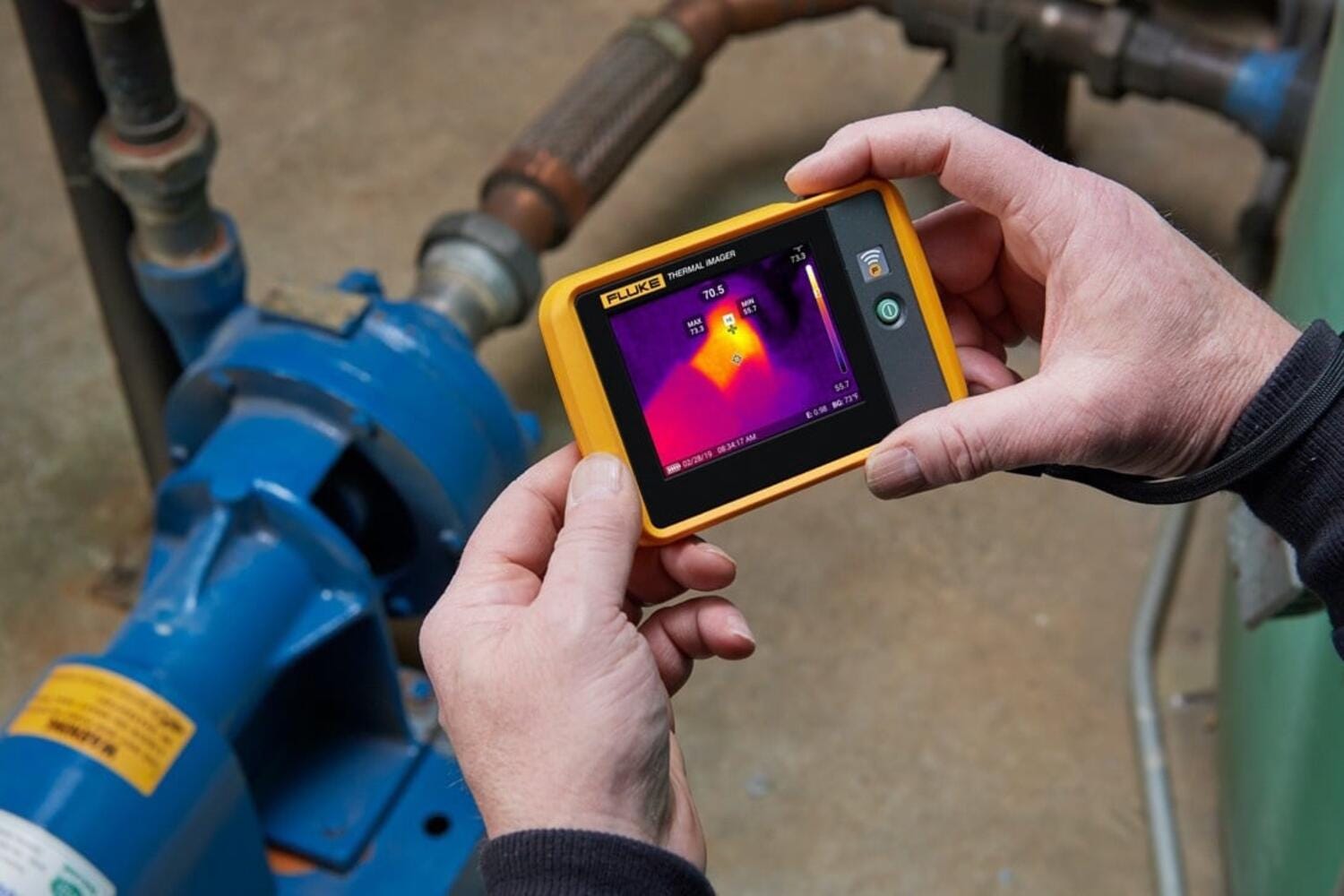
Thermal imaging technology may also be used to detect temperature differences caused by hidden moisture behind walls or ceilings.
Indoor humidity levels are measured as well, since elevated humidity often contributes to moisture problems in coastal homes.
Companies such as Tip Top Water and Fire Damage Restoration frequently find hidden moisture in areas homeowners did not initially suspect, particularly around air-conditioning systems and exterior walls.
What Happens After a Leak Is Found
Once the source of a leak is identified, repairs can begin.
Plumbing leaks may require replacing fittings or sections of pipe. Roof leaks may involve sealing damaged areas or replacing roofing materials.
If moisture has spread into surrounding materials, drying equipment such as air movers and dehumidifiers may be used to remove excess moisture and prevent mold growth.
Thorough drying is essential before repairs such as repainting or replacing drywall are completed.
The Risk of Mold After Water Leaks
One of the main reasons leak detection is so important is the risk of mold growth. Mold thrives in warm, damp environments and can begin developing within a short time when moisture is present.
In humid climates like Miami Shores, materials may remain damp long enough for mold to develop even after small leaks.
Prompt detection and drying significantly reduce this risk and help maintain indoor air quality.
HVAC Systems and Moisture Control
Air-conditioning systems play a major role in controlling humidity inside a home. When systems are not functioning properly, indoor humidity may rise, making it harder for damp materials to dry.
Clogged drain lines, dirty filters, or leaking ducts can all contribute to moisture problems. Regular maintenance helps ensure that HVAC systems remove humidity effectively.
Duct inspections may also be recommended if moisture or odors are detected, since damp ducts can spread contaminants throughout the home.
Practical Maintenance Tips for Homeowners
Preventing leaks often involves routine maintenance and early inspection.
Checking plumbing fixtures, roofs, and windows regularly helps identify potential problems before they cause damage. Keeping gutters and drainage systems clear also reduces the risk of water intrusion.
Replacing air filters and scheduling periodic AC maintenance helps prevent condensation problems.
After heavy rain, inspecting ceilings, walls, and flooring for early signs of moisture can prevent long-term damage.
Using a dehumidifier during humid periods can also help control indoor moisture levels.
Why Local Experience Matters
Water leak detection in coastal South Florida requires an understanding of how humidity, salt air, and building construction affect moisture behavior.
Professionals familiar with Miami Shores, North Miami, and nearby coastal communities know where hidden leaks are most likely to occur and how to detect them efficiently.
Tip Top Water and Fire Damage Restoration has handled many leak detection cases where early intervention prevented significant structural damage and costly repairs.
Local experience helps ensure accurate detection and effective long-term solutions.
A Calm, Practical Next Step
Water leaks are a common part of property maintenance, especially in humid coastal environments. Recognizing early warning signs, scheduling inspections when needed, and addressing leaks promptly can prevent small problems from becoming major repairs.
With proper detection and timely repairs, most leaks in Miami Shores homes can be resolved efficiently, helping property owners protect their investments and maintain comfortable living conditions.