Property Maintenance Insights: Water Removal in Biscayne Park
Biscayne Park, Florida, is a picturesque community known for its lush greenery, historic homes, and proximity to Biscayne Bay. While its coastal location and tropical climate make it an appealing place to live, these same factors also contribute to water-related property challenges. Heavy seasonal rains, high humidity, and occasional flooding can create conditions where water intrusion occurs, potentially causing structural damage, mold growth, and other long-term maintenance issues.
Water removal is a crucial component of property maintenance in Biscayne Park. Prompt and effective water removal not only restores a property after an incident but also prevents secondary damage, including mold proliferation, compromised indoor air quality, and deterioration of building materials. Drawing from real-world observations in Biscayne Park homes, this guide explores the causes of water intrusion, the water removal process, and long-term strategies for homeowners and property managers to protect their properties.
Understanding the Need for Water Removal
Water intrusion can take many forms, ranging from minor leaks to major flooding events. The consequences of failing to remove water promptly include:
- Structural Damage: Wood, drywall, and flooring can warp, swell, or weaken when exposed to water for prolonged periods.
- Mold and Mildew Growth: Moist environments are ideal for mold colonization, which can develop within 24–48 hours after water exposure.
- Indoor Air Quality Risks: Stagnant water and damp materials promote microbial growth, which may lead to musty odors and airborne spores circulating through HVAC systems.
- Electrical Hazards: Water exposure near electrical outlets, wiring, or appliances increases safety risks.
- Decreased Property Value: Water damage that is not properly addressed can reduce the market value of a home.
In Biscayne Park’s coastal environment, even minor water issues can escalate if left untreated due to high humidity and frequent rainfall.
Common Sources of Water Intrusion in Biscayne Park
Water problems in Biscayne Park homes often stem from multiple factors:
1. Plumbing Leaks
- Broken or aging pipes, faucet leaks, or water heater failures are frequent causes of water accumulation in homes.
- Hidden leaks behind walls or under flooring can go unnoticed until significant damage occurs.
2. Stormwater and Flooding
- Heavy rains and coastal storms can overwhelm drainage systems, leading to water intrusion in basements, garages, or ground-level rooms.
- Flooding can affect foundations and lower-level structures, causing widespread damage.
3. AC Condensation and HVAC Issues
- Air conditioning units produce condensation that must be properly drained.
- Blocked or malfunctioning drain lines can cause water to leak into walls, ceilings, or floors.
4. Roof and Window Leaks
- Aging roofs, poorly sealed windows, or balcony structures may allow rainwater to penetrate interior spaces.
- Water intrusion from above often goes unnoticed until staining, warping, or mold appears.
5. Poor Ventilation and Humidity Control
- Areas with insufficient airflow, such as attics, crawl spaces, or bathrooms, can retain moisture.
- High indoor humidity in Biscayne Park accelerates water absorption by building materials.
Signs That Water Removal is Needed
Homeowners should remain alert for indicators of water accumulation:
- Damp or soft spots on walls, ceilings, or floors
- Bubbling, peeling, or discolored paint
- Musty odors in closets, basements, or attics
- Stains or water marks on structural elements
- Visible mold growth
- Reduced HVAC efficiency or water dripping from units
Early detection and response are critical to minimizing secondary damage and maintaining property integrity.
Professional Water Removal Process
Water removal is a specialized process that requires expertise, equipment, and strategic planning. A professional approach typically includes the following steps:
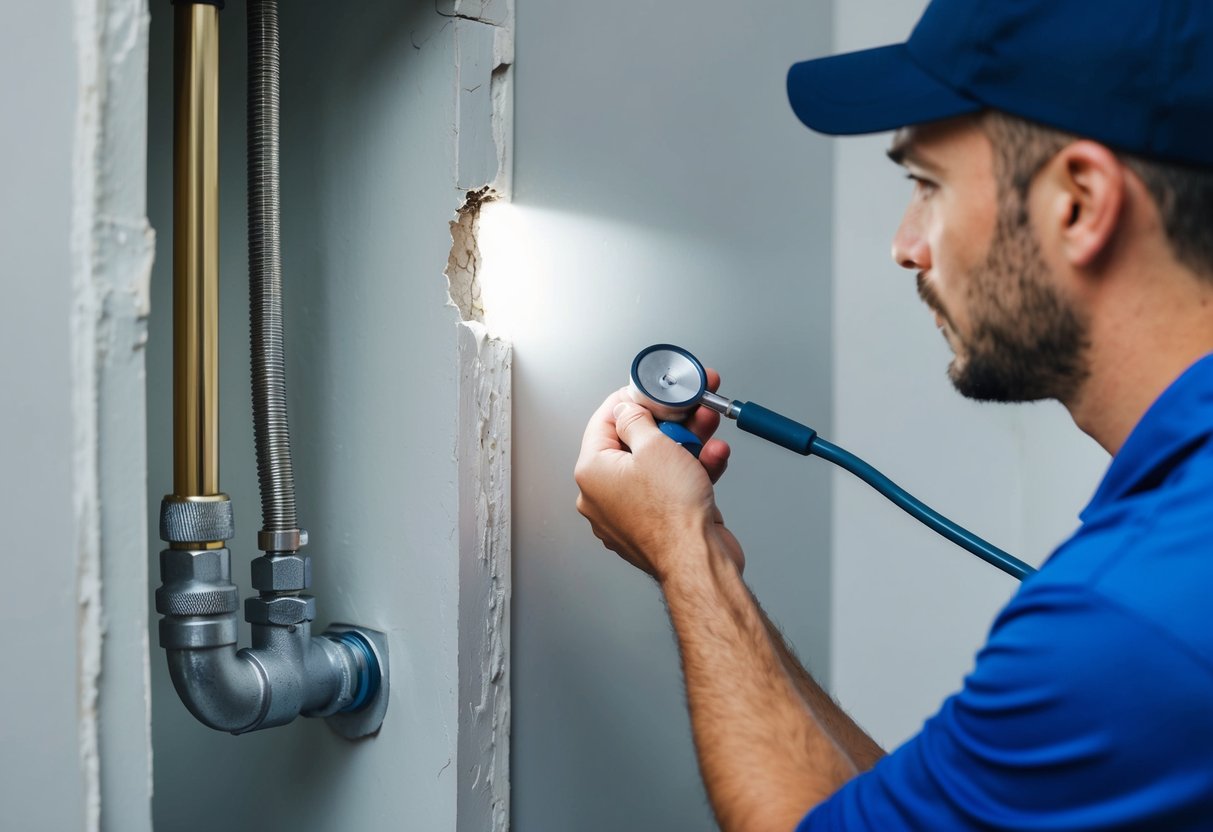
Step 1: Assessment and Inspection
- Evaluate the extent of water intrusion, including visible and hidden areas.
- Identify the source of water, such as plumbing leaks, flooding, or AC condensation.
- Determine the type of water (clean, gray, or black) to plan the appropriate remediation method.
Step 2: Water Extraction
- Use industrial-grade pumps, wet vacuums, and other extraction tools to remove standing water.
- Extract water from carpets, flooring, and low-lying areas to prevent further damage.
Step 3: Drying and Dehumidification
- Deploy air movers, fans, and dehumidifiers to circulate air and remove moisture from structural materials.
- Monitor moisture levels to ensure complete drying, preventing mold growth.
Step 4: Cleaning and Sanitization
- Treat affected areas with antimicrobial solutions to eliminate bacteria and prevent mold.
- Clean carpets, furniture, and personal items when possible; dispose of irreparably damaged materials.
Step 5: Structural Repairs
- Replace damaged drywall, flooring, or insulation.
- Address leaks, roofing issues, or plumbing faults to prevent recurrence.
Step 6: Final Inspection
- Confirm that moisture levels have returned to safe levels.
- Ensure that all surfaces, HVAC systems, and structural elements are dry, clean, and restored.
Long-Term Protection Strategies
After water removal, property owners can implement preventive measures to minimize future risks:
1. Routine Plumbing Maintenance
- Inspect pipes, faucets, and water heaters regularly.
- Replace aging or corroded plumbing components proactively.
2. Maintain Proper Drainage
- Ensure gutters, downspouts, and landscaping direct water away from the foundation.
- Consider installing sump pumps or backflow prevention systems in flood-prone areas.
3. Control Indoor Humidity
- Use dehumidifiers in high-humidity rooms.
- Maintain indoor humidity between 45–55% to prevent mold growth and condensation.
4. Inspect Roofs and Windows
- Regularly examine roofing materials, flashing, and window seals.
- Repair or replace damaged elements promptly to prevent water intrusion.
5. AC and HVAC Maintenance
- Ensure condensate lines and pans are clear and functioning.
- Schedule annual inspections and duct cleaning to prevent moisture accumulation.
6. Emergency Preparedness
- Develop a plan for storm events or unexpected water intrusion.
- Keep essential water removal tools or professional contacts readily available.
7. Educate Residents
- Encourage family members or tenants to report leaks, water pooling, or musty odors immediately.
- Early reporting reduces the severity of potential damage.
Lessons from Real Properties in Biscayne Park
Observations from local homes reveal several key insights:
- Hidden Water Causes Most Damage: Leaks behind walls, under floors, or in HVAC systems often go unnoticed until mold or structural damage appears.
- Prompt Action Reduces Costs: Early water removal prevents secondary damage and extensive repairs.
- Integrated Maintenance Ensures Longevity: Combining plumbing inspections, HVAC maintenance, and humidity control prevents recurring issues.
- Local Conditions Matter: Coastal humidity, salt air, and seasonal storms make professional expertise essential in Biscayne Park.
Benefits of Effective Water Removal
Implementing proper water removal and maintenance strategies provides numerous benefits:
- Protects structural integrity and prevents rot or warping
- Reduces the risk of mold growth and compromised indoor air quality
- Preserves the lifespan of carpets, flooring, and furniture
- Prevents corrosion of metal components and HVAC systems
- Maintains property value and aesthetic appeal
- Ensures resident comfort and safety
Practical Recommendations for Homeowners
- Schedule professional inspections after storms or AC maintenance
- Monitor indoor humidity and use dehumidifiers when necessary
- Maintain plumbing and inspect for leaks regularly
- Address minor water intrusion immediately to prevent escalation
- Conduct regular roof, window, and drainage checks
- Ensure HVAC systems are clean, functional, and free from water damage
- Keep emergency contacts for water removal services on hand
By combining professional water removal with long-term maintenance strategies, homeowners in Biscayne Park can protect their properties, prevent mold and structural damage, and maintain a safe, comfortable living environment even in the challenging coastal climate.